
What to Wear to Pilates Reformer Class? (The Complete Guide)
If you're preparing for your first Reformer session, it's normal to wonder what you should wear. Many people are unsure whether they need special clothing, grip socks, or a specific Pilates outfit. Understanding what to wear to Pilates Reformer class can help you feel more comfortable and confident before you even step into the studio.
The good news is that Pilates clothing does not need to be complicated. The right outfit simply allows you to move comfortably, receive better coaching feedback, and stay focused on the workout instead of adjusting your clothes.
This guide covers exactly what to wear, what to avoid, and how to prepare for a smooth Reformer experience.
Quick Overview
- Choose fitted workout clothing that allows you to move comfortably and helps your instructor see your alignment.
- Leggings, longer bike shorts, and supportive workout tops are usually the most practical options.
- Most studios recommend grip socks or bare feet. Regular socks are typically not suitable for Reformer Pilates.
- Avoid clothing with zippers, buttons, bulky embellishments, or slippery fabrics that may interfere with movement.
- The best Pilates outfit is one that allows you to focus on the workout instead of adjusting your clothing.
A Complete Guide to What to Wear to Pilates Reformer Class
When it comes to choosing what to wear to Pilates Reformer class, it's not just about the aesthetic. Dressing for Pilates Reformer classes requires a balance of comfort, functionality, and style. The right attire not only supports your movements but also enhances your overall workout experience.
Let’s explore what to wear to Pilates Reformer classes to maximize both comfort and efficiency.
Optimal Tops for Maximum Comfort and Efficiency
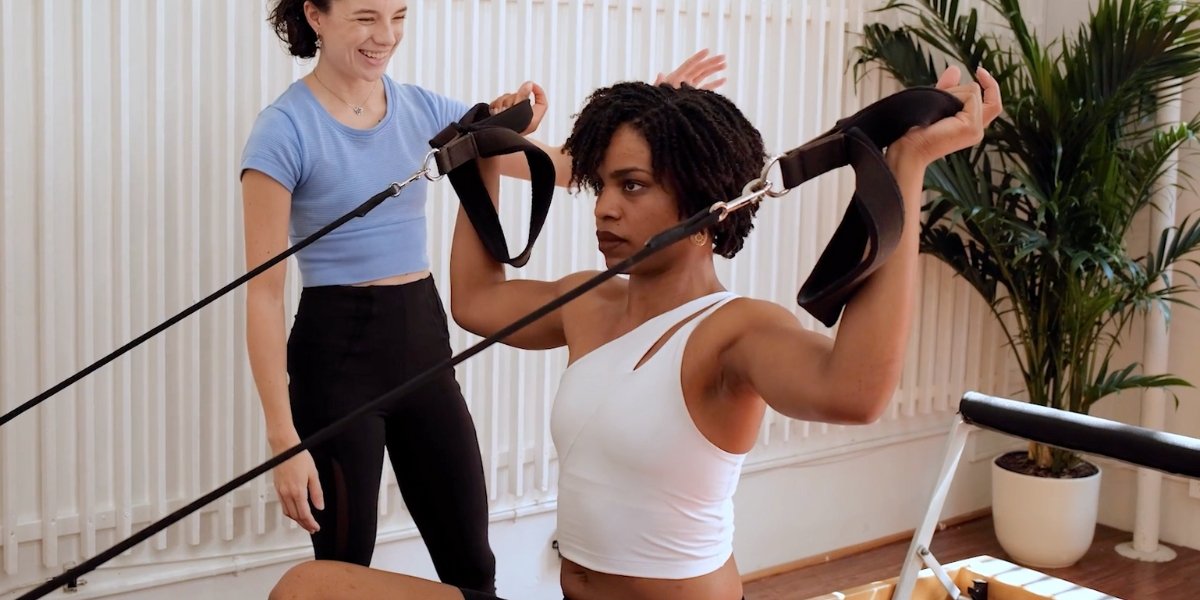
Opt for fitted yet breathable tops. When a shirt is too loose, your instructor won’t be able to see your form (specifically your abs and spinal position), which can significantly affect the instructor feedback you receive.
Crop tops are fantastic, as well as any tops that sit nicely and don’t move around when changing positions. Expect to sweat a little bit, too. T-shirts are great, but you may find that a thick cotton shirt gets a little sweaty once you start moving around.
RELATED: What to Expect from a Pilates Class
Bottoms for Pilates Reformer: Leggings or Shorts?
For your bottom half, prioritize flexibility and coverage. High-waisted leggings or longer bike shorts that are stretchy and comfortable will support you well.
You don’t want your shorts too short if you feel exposed lying down with your legs up to the ceiling. Likewise, we recommend clients avoid shiny materials as we’ve found people will slide around the Reformer.
Ultimately, you won’t feel as steady as you would in cotton leggings.
To preserve the equipment, all studios will also ask you not to wear anything with a zipper or button in the back. These features can damage the leather on the machine.
As a courtesy, please remember to always double-check for embellishments and hidden zippers on the back of your leggings.
Hair for Pilates Reformer: Do you need to keep your hair up?
You do not have to keep your hair up, but it is possible for hair to get stuck in the Reformer springs and generally get in the way, so we highly recommend putting hair back in a style that’s comfortable.
When you lie down on the Reformer, you lie on the back of your head, so a low ponytail or high pony/bun will keep you comfortable. That high ponytail that you see many people walking into Pilates studios with is quite functional.
The Role of Footwear in Pilates Reformer Classes
Do You Wear Shoes for Pilates?
Pilates is typically practiced barefoot or with specialized grip socks, rather than traditional shoes. This allows for better connection with the equipment, improved stability, and greater control during exercises. Bare feet or grip socks enhance your ability to engage your muscles properly and maintain proper alignment.
By avoiding shoes, you also gain a better sense of foot mechanics, which is essential for many Pilates exercises focused on balance, strength, and flexibility. If you're new to Pilates, check with your studio to confirm their specific guidelines for footwear.
Do I Need Grip Socks for Pilates?
The debate between grip socks and going barefoot is common. Grip socks provide traction and stability, preventing slips during movements, while some prefer the connection of bare feet with the Reformer platform.
Consider your comfort and the studio's guidelines when making this choice.
At The Pilates Circuit, you can do barefoot or Grip socks. It’s entirely up to you! Our instructors lean towards bare feet, but whatever keeps you safe on the Reformer.
Note: Regular socks will not work on the Reformer. There are many exercises in the Pilates Repertoire that cannot be done without traction or become extremely unsafe without grip. Hospital socks and Trampolining socks work a treat; you don’t need fancy Barre-style socks.
The Importance of Fabric Choice in Pilates Attire
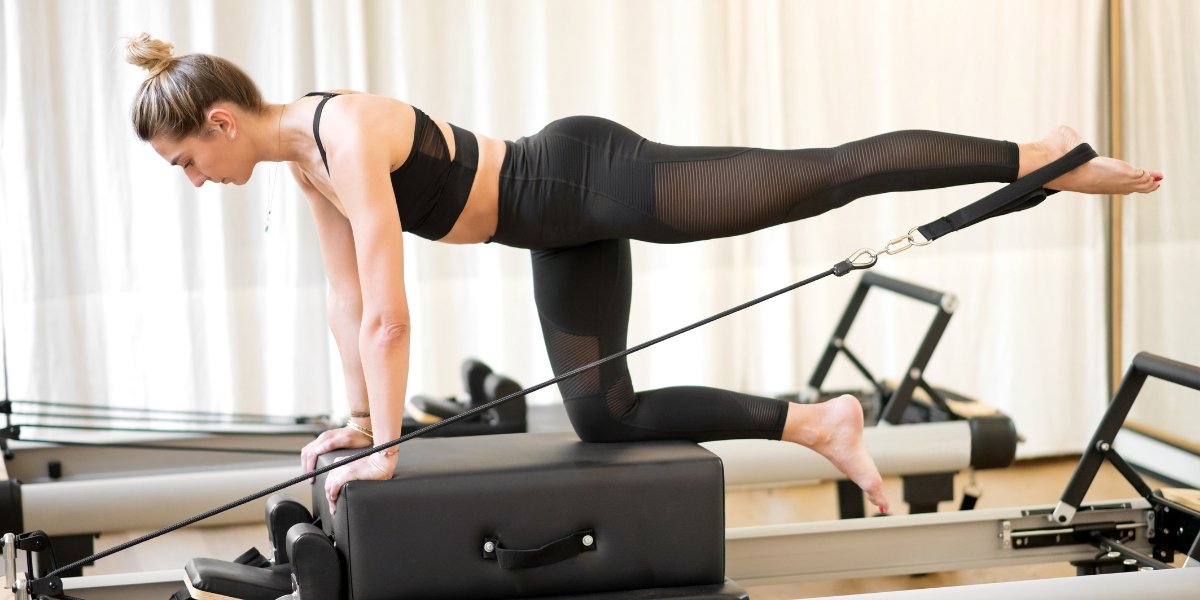
Materials like spandex blends or moisture-wicking fabrics ensure optimal movement and help manage sweat, keeping you cool and focused during the workout. Understanding what to wear for Pilates ensures you select fabrics that support flexibility, comfort, and performance.
We highly encourage finding something that makes you feel the most comfortable - you’ll be sweating, lying down, standing up, and bending over.
What will allow you to move without worrying about your outfit?
Pilates isn’t a crazy sweat, but we definitely move, so breathability will make you feel more comfortable.
Dressing Smart for Pilates Reformer: Do's and Don'ts
This section offers guidance on Pilates Reformer attire do's and don'ts. It ensures your clothing meets practical Pilates demands. Learn about suitable materials and what to avoid.
These tips aim for smart dressing, enhancing your Pilates effectiveness and enjoyment.
| Clothing Item | Recommended | Best To Avoid |
|---|---|---|
| Tops | Fitted workout tops, tanks, crop tops, or breathable athletic shirts | Very loose shirts that hide alignment or shift during movement |
| Bottoms | Leggings, longer bike shorts, and stretchy athletic fabrics | Very short shorts or restrictive clothing that limits movement |
| Footwear | Grip socks or bare feet, depending on studio preference | Regular socks without traction |
| Fabric | Breathable, stretchy, moisture-managing materials | Slippery or shiny fabrics that may reduce stability |
| Accessories | Hair ties, water bottle, simple workout essentials | Bulky accessories, zippers, buttons, or hard embellishments |
DO Wear This:
Find a supportive workout top that shows your body and feels comfortable.
Wear leggings or longer bike shorts that allow you to move while covered.
Look at the studio’s policy about grip socks before going (some studios have compulsory grip socks and sell them for $25+ so don’t get caught out).
Try moving in your outfit before you get to the studio. Is it comfortable? Does it allow you to move? Is it distracting you when you move?
DON’T Wear This:
Don’t wear clothing with zippers, snaps, or excessive embellishments that might cause discomfort or damage to the equipment.
You shouldn’t wear extremely loose-fitting clothing that might get caught in the Reformer during exercises or prevent you from seeing your alignment.
Don’t buy new clothing or feel like there’s a specific Pilates aesthetic that you need to fit into. Think: Function > Fashion.
Instructor's Insight
Many first-time clients worry about whether they have the "right" Pilates outfit. In practice, comfort and movement matter far more than appearance. Clothing that stays in place, allows full range of motion, and helps you focus on the workout will always be more useful than trying to match a specific Pilates aesthetic.
Enhancing Your Pilates Experience: Do you need anything else?
Many studios offer many complimentary services like water, hair ties, and towels. At The Pilates Circuit, we have a Nespresso machine, towels, snacks, water, and electrolytes available to you every session.
If you’re testing a new studio, bring a water bottle, a hair tie, and a towel just to ensure you’re covered! The guidelines presented in this blog should set you up for Reformer success!
Closing Thoughts: Putting Together Your Pilates Reformer Outfit
Choosing what to wear to Pilates Reformer class is less about appearance and more about movement. Comfortable, supportive clothing allows you to focus on the workout, move confidently through exercises, and receive better coaching feedback throughout your session.
The best outfit is one that stays out of the way. When your clothing supports movement instead of distracting from it, it's easier to focus on technique, coordination, and getting the most from your training.
A little preparation before class can make your first Reformer experience feel much more comfortable and enjoyable.
Get Started Today
Transform your fitness with Private 1x1 Pilates in NYC. At The Pilates Circuit, we deliver personalized one-on-one training designed around your body, your goals, and your progression. Whether you're improving posture, building strength, or enhancing mobility, every session is structured to drive measurable results.
Book an Intro Session to experience how targeted training can make a difference. Train with us at our Chelsea Private Pilates Studio or NoMad Private Pilates Studio.
Prefer to view your options first? Visit our Pricing page to compare private sessions, packages, and memberships before booking.
FAQs
-
Wear comfortable workout clothing that allows you to move freely without constantly adjusting your outfit. Most people do well in a fitted athletic top, leggings or longer bike shorts, and either grip socks or bare feet depending on the studio's policy.
The goal is to choose clothing that supports movement and allows your instructor to see your alignment.
-
Not always. Some studios require grip socks, while others allow clients to train barefoot. Grip socks provide additional traction and can help prevent slipping during certain exercises.
If you're attending a new studio, check their policy before your first session.
-
Yes, many people wear shorts to Pilates Reformer classes. Longer bike shorts are often the most comfortable option because they provide coverage while allowing unrestricted movement.
Very short shorts can sometimes feel less comfortable during exercises that involve lying down or raising the legs.
-
Most Pilates Reformer classes are performed without shoes. Clients typically wear grip socks or go barefoot depending on studio guidelines.
Traditional athletic shoes are generally not used on Pilates equipment.
-
Loose clothing is not always ideal for Reformer Pilates. Oversized shirts and baggy clothing can make it harder for instructors to assess alignment and movement quality.
Fitted clothing usually provides better comfort, visibility, and feedback during training.
