
Why Are My Hips So Tight? (How to Loosen Tight Hips)
Hip tightness is one of those frustrations that sneaks up on you gradually until suddenly it's affecting everything you do. You notice it when you try to cross your legs at your desk, when you attempt a deep squat, or when you feel that nagging pull in your lower back after sitting through a meeting.
The question why are my hips so tight crosses your mind repeatedly, but the answer isn't as simple as "you need to stretch more." Your hips are complex joints surrounded by powerful muscles that respond to how you move all day, not just during your workouts. Chronic tightness develops from a combination of positioning habits, movement deficiencies, and compensatory patterns that accumulate over time.
Understanding what's actually creating the restriction in your specific case makes all the difference between temporary relief and lasting improvement. The good news is that hip mobility responds well to targeted work when you address the underlying causes rather than just attacking symptoms.
Common Signs Of Tight Hips And Hip Flexor Tightness That Show Up In Everyday Life
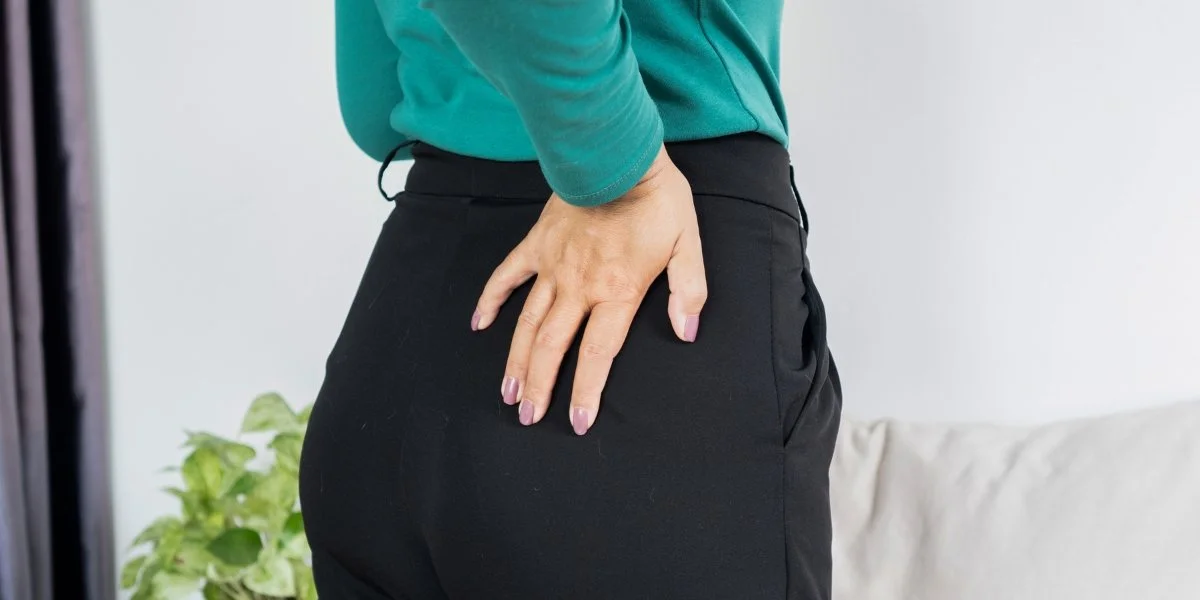
Hip tightness rarely announces itself with a single dramatic moment. Instead, it creeps into your daily routine through small inconveniences that gradually become more noticeable. You might struggle to tie your shoes without sitting down or feel discomfort when standing up after prolonged sitting. Getting in and out of cars becomes awkward, requiring extra maneuvering that wasn't necessary before.
Deep squatting to pick something off the floor feels restricted or completely inaccessible. Some people notice their stride shortening during walks or feel pulling sensations in the front of their hips during certain movements.
Lower back stiffness often accompanies hip restrictions, particularly after periods of inactivity. These signs indicate that your hip joints and surrounding muscles aren't moving through their intended ranges freely.
Why Are My Hips So Tight?
The question of why my hips are so tight doesn't have a single universal answer. Your hip mobility reflects the cumulative effect of how you've moved, sat, and trained over months or years.
Modern lifestyles place most people in seated positions for extended periods, which keeps hip flexors in shortened positions. This chronic positioning trains your nervous system to accept a limited range as normal. Previous injuries, even seemingly minor ones, can create protective tension that persists long after healing.
Your training routine might also be contributing if it emphasizes certain movement patterns while neglecting others. Weak glutes force hip flexors to work overtime for stability, creating tension that feels like tightness.
Understanding your specific contributing factors helps target the most effective solutions rather than applying generic stretching routines.
How Sitting And Daily Movement Patterns Affect The Hips
Prolonged sitting places your hip flexors in a shortened position for hours at a time. Your body adapts to positions you maintain most frequently, gradually accepting this compressed range as the new baseline. The muscles and connective tissue literally shorten and stiffen when they're not regularly taken through full extension.
Standing up after extended sitting requires these tissues to lengthen suddenly, which can create a pulling sensation that many people interpret as tightness. Your daily movement repertoire also matters significantly beyond just sitting time. If you never squat deeply, lunge, or move your hips through varied ranges, your nervous system restricts access to positions it considers unsafe or unfamiliar.
This protective limitation feels identical to muscular tightness, even though the underlying cause differs.
What Causes Tight Hip Flexors Over Time?
Hip flexor tightness develops through a combination of positioning habits, movement deficiencies, and compensatory patterns. The iliopsoas and rectus femoris muscles that flex your hip spend most of modern life either shortened from sitting or overworked from compensating for weak glutes.
These muscles connect your spine and pelvis to your femur, making them crucial for walking, running, and standing posture. When surrounding muscles can't perform their roles effectively, hip flexors take on extra stabilization duties they weren't designed to handle.
This constant low-level tension never fully releases, creating the chronic tightness many people experience. Training that emphasizes hip flexion movements, such as cycling or running, without balanced extension work can also lead to adaptive shortening over time.
Why Muscles Become Stiff Instead Of Mobile
Muscle stiffness often results from your nervous system limiting the range of motion for perceived safety reasons. When your brain determines that a position or range is unstable or unfamiliar, it restricts access through increased muscle tension.
This protective mechanism prevents injury but also limits your functional movement capacity. Muscles also become stiff when they're chronically overworked or under-recovered from repetitive demands. The constant tension prevents proper blood flow and tissue recovery, creating areas of persistent tightness.
Weak antagonist muscles contribute by maintaining constant tension in certain muscle groups, supporting joint stability. Your body prioritizes stability over mobility when it can't achieve both, resulting in stiffness that feels like inflexibility.
When A Hip Is Tight, Other Areas Often Compensate
Your body functions as an integrated system where restrictions in one area force adaptations elsewhere. Limited hip mobility doesn't just affect your hips in isolation. It creates a cascade of compensatory patterns that spread stress to surrounding joints and tissues.
Your spine, pelvis, and knees must work harder to accomplish movements that should primarily come from the hips. Over time, these compensations become habitual movement patterns that feel normal even though they're creating excessive wear on non-hip structures.
How Tight Hips Relate To Back And Knee Discomfort
Restricted hip extension forces your lower back to hyperextend during walking and standing, maintaining an upright posture. This excessive spinal movement creates compression and irritation, which manifest as chronic lower back discomfort and limited hip internal rotation during activities like squatting. It shifts rotational forces to your knees instead. Your knee joints aren't designed to handle significant rotation,n so this compensation can lead to anterior knee pain or tracking issues.
Tight hip flexors also pull your pelvis into an anterior tilt, which flattens your lumbar curve and creates sustained tension through your back muscles. The interconnected nature of your kinetic chain means hip restrictions inevitably affect regions both above and below.
The Long-Term Effect on Overall Mobility
Chronic hip tightness progressively limits your movement options and physical capabilities. Activities that once felt natural become uncomfortable or impossible, reducing how much you move overall. This decreased movement creates a negative cycle where reduced activity leads to further stiffness and restriction.
Your gait pattern shortens and becomes less efficient, which affects your walking speed and endurance. Balance and stability decline as your base of support narrows due to limited hip mobility.
The cumulative effect is a gradual loss of functional independence that many people incorrectly attribute to normal aging. In reality, much of this decline stems from addressable movement restrictions rather than inevitable deterioration.
Stretching Versus Strengthening Tight Hips
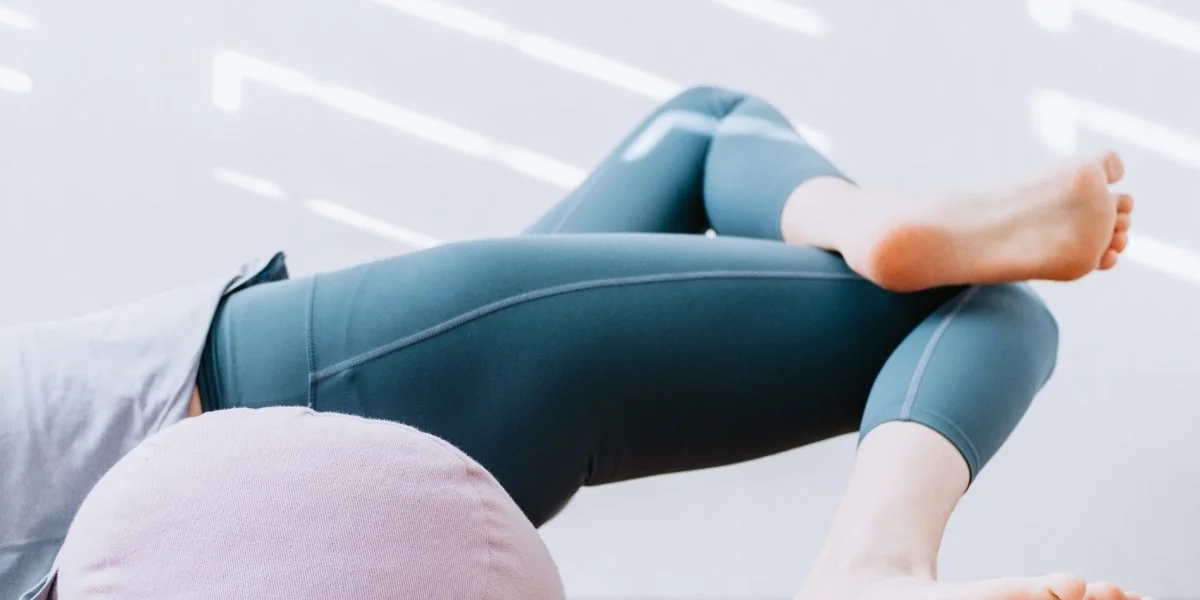
The instinct when experiencing tightness is to stretch aggressively and frequently. While flexible work has value, it's rarely the complete solution for persistent hip restrictions. Tightness often signals weakness or instability rather than purely shortened tissue. Your nervous system creates protective tension when it doesn't trust your ability to control a range of motion.
Simply stretching into that range without building strength and control there can actually worsen the problem. A balanced approach addresses both the limitations in flexibility and the strength deficits that contribute to perceived tightness.
How Strong, Mobile Hips Support Long-Term Movement Health
True hip mobility combines both range of motion and the strength to actively control that range, which is why many people find pilates good for mobility when building lasting hip stability and control. Building strength through full hip ranges teaches your nervous system that these positions are safe and functional.
Exercises that load your hips in stretched positions create length and strength simultaneously, addressing both components of healthy movement. Strong glutes reduce the stabilization burden on hip flexors, allowing them to relax rather than maintain constant tension.
Strengthening the hip external rotators and abductors helps balance forces around the joint, preventing compensatory tightness in dominant muscle groups. This comprehensive approach creates lasting improvements rather than temporary relief that requires constant maintenance and stretching.
Simple At-Home Options For Tight Hips
You can make meaningful improvements in hip mobility without specialized equipment or gym access. Consistency matters more than complexity when addressing chronic tightness. Simple exercises performed regularly produce better results than elaborate routines done sporadically.
Focus on movements that take your hips through multiple planes of motion rather than repetitive stretching in one direction.
Using A Foam Roller For Tight Hips Safely
Foam rolling can temporarily reduce muscle tension and improve tissue quality around your hips. Target the hip flexors by lying face down with the roller positioned just inside your hip bone. Roll slowly across the muscle belly, avoiding direct pressure on bones or the groin. The IT band along your outer thigh also benefits from rolling, though this area typically requires significant pressure to affect.
Spend 30 to 60 seconds on each area, using your body weight to control intensity. Rolling provides short-term relief but works best when combined with strength and mobility exercises that address underlying causes.
The Benefits of Working With A Professional To Address Tight Hips
A qualified instructor can identify the specific factors contributing to your hip restrictions through movement assessment, especially when guiding clients through targeted pilates for hip pain programs designed to restore strength and mobility safely. They distinguish between true flexibility limitations, strength deficits, and compensatory patterns that create the sensation of tightness.
This assessment allows for targeted interventions rather than generic stretching protocols. Professional guidance ensures exercises are performed with proper form and appropriate progression. You'll learn which positions and movements best suit your specific situation, rather than following one-size-fits-all recommendations.
The expertise also helps you avoid common mistakes that can worsen tightness or create new issues. Personalized programming accelerates progress by addressing your unique movement patterns and daily habits.
Closing Thoughts: Bone Strength And Stability Start At The Hips
Your hips serve as the foundation for nearly every movement your body performs. When mobility is compromised, everything built on top of that foundation becomes less stable and efficient.
Addressing hip restrictions isn't just about eliminating discomfort in that specific area. It's about restoring the movement capacity your entire body needs to function optimally.
The combination of targeted strengthening, intelligent mobility work, and consistent practice creates lasting change. Understanding why my hips are so tight allows me to address root causes rather than endlessly chasing symptoms with temporary fixes.
Get Started Today
Transform your fitness with Private 1x1 Pilates in NYC. At The Pilates Circuit, we deliver personalized one-on-one training designed around your body, your goals, and your progression. Whether you're improving posture, building strength, or enhancing mobility, every session is structured to drive measurable results.
Book an Intro Session to experience how targeted training can make a difference. Train with us at our Chelsea Private Pilates Studio or NOMAD Private Pilates Studio.
Frequently Asked Questions
-
Regular exercise doesn't guarantee balanced hip mobility if your training emphasizes repetitive movement patterns. Running, cycling, and similar activities strengthen your hips in limited ranges without addressing full mobility. Your workout routine also lacks sufficient hip extension and rotation work to counterbalance the time spent sitting.
-
The most effective exercises combine stretching with active strengthening through full ranges. Hip flexor stretches with posterior pelvic tilt, 90/90 hip rotations, and deep squat holds address multiple restriction points. Glute bridges and lateral band walks build the strength that allows sustained mobility improvements.
-
Most people notice initial improvements within two to four weeks of consistent practice. Significant, lasting changes typically require two to three months of regular work. The timeline varies based on how long restrictions have been present and how consistently you address them.
