
5 Bone-Strengthening Activities That Support Long-Term Health
Your bones aren't just static scaffolding holding your body together. They're living tissue that responds to how you move, what demands you place on them, and how consistently you challenge them. Most people don't think much about skeletal health until a diagnosis forces the issue or a fracture disrupts their life.
By that point, years of inactivity or low-impact routines have already taken their toll on bone density. The good news is that your skeleton adapts to stress just like your muscles do. When you incorporate bone-strengthening activities into your routine, you're literally telling your body to build stronger, more resilient skeletal tissue.
This isn't about obsessing over supplement protocols or running yourself into the ground. It's about understanding which types of movement actually signal your bones to maintain their strength and using that knowledge to protect your long-term mobility and independence.
The Importance of Maintaining Bone Strength For Long-Term Health
Your skeletal system does far more than provide shape and structure to your body. Bones serve as the foundation for every movement you make, from walking up stairs to lifting groceries to playing with your kids. When bone density declines, your entire quality of life can shift.
Simple activities become riskier, and the fear of fractures or breaks can limit how freely you move through the world. Maintaining strong bones isn't just about preventing osteoporosis in later decades, it's about engaging in activities that are good for osteoporosis prevention and long-term skeletal resilience. It's about preserving your independence, mobility, and ability to live an active life without constant worry about injury.
Bones as the Structural Support for All Movement
Every time you move, your bones work as levers that allow muscles to create force and generate motion. Without adequate skeletal integrity, even basic movements become compromised or impossible to perform safely. Your bones absorb impact forces during walking, running, and jumping, distributing stress throughout your body's framework.
Weak or porous bones can't handle these demands effectively, which increases fracture risk during everyday activities. Strong bones provide the stable platform that muscles need to contract against during any physical task. This structural support allows you to train harder, move more confidently, and maintain functional independence as you age.
How Bone Density Affects Strength & Mobility
Bone density refers to the amount of mineral content packed into your skeletal tissue. Higher density means bones can withstand greater forces without breaking or developing stress fractures. As density decreases, bones become more fragile and susceptible to injury from relatively minor impacts or falls.
This fragility directly limits how much load you can safely handle during strength training and daily activities. Reduced bone density also affects your willingness to move freely, as the fear of injury can create cautious, restricted movement patterns. Maintaining adequate density preserves both your physical capacity and your psychological confidence in your body's resilience.
Exploring The Relationship Between Physical Activity and Bone Density
Your bones are living tissue that constantly remodels itself in response to the demands placed on them. Physical activity creates mechanical stress that signals your body to maintain or increase bone density. Sedentary lifestyles, by contrast, tell your skeletal system that high bone density isn't necessary for survival.
This relationship between load and bone adaptation is why astronauts lose significant bone density in zero gravity despite being otherwise healthy. Your bones need regular stress from movement and impact to maintain their structural integrity. The specific type of activity matters significantly, as different movements create different adaptive responses in skeletal tissue.
How Bones Respond to Physical Stress Placed on Them
Bone tissue strengthens in response to mechanical loading through a process called bone remodeling. When you place stress on your skeleton through weight-bearing activities, specialized cells called osteoblasts deposit new bone material. This adaptive response increases bone density in areas that experience the most consistent stress and impact.
The stimulus needs to be substantial enough to trigger this remodeling response, which is why gentle activities like swimming don't significantly improve bone density, while low-impact strength training can still provide meaningful skeletal stimulus without excessive joint stress.
Your body interprets higher-impact forces as signals that stronger bones are necessary to handle daily demands. Consistent exposure to appropriate mechanical stress over time leads to measurable improvements in skeletal strength and density.
What Kinds of Activities Improve Bone Density & Strength?
Weight-bearing exercises that work against gravity create the mechanical stress bones need to maintain and increase density. Activities where your body supports its own weight while moving generate impact forces that trigger bone remodeling. Resistance training with progressive loads also stimulates bone growth by creating tension through the skeletal system. The key factor is that your bones must experience forces greater than what they encounter during typical daily movement.
Higher-impact activities generally produce stronger bone-building signals than lower-impact options, though all weight-bearing movement contributes to bone health to some degree. Bone-strengthening activities need to be performed regularly to maintain the adaptive response, as bone tissue quickly returns to baseline when mechanical stress is removed.
5 Effective Bone-Strengthening Exercises
Different activities stress your skeletal system in unique ways, creating varied adaptive responses throughout your body. The most effective approach combines multiple types of bone-strengthening activities rather than relying on a single method.
Some exercises target specific skeletal regions while others provide more comprehensive stimulus across your entire frame. Understanding how each activity benefits bone health helps you build a balanced routine that addresses your whole body.
#1) Pilates-Based Strength Training
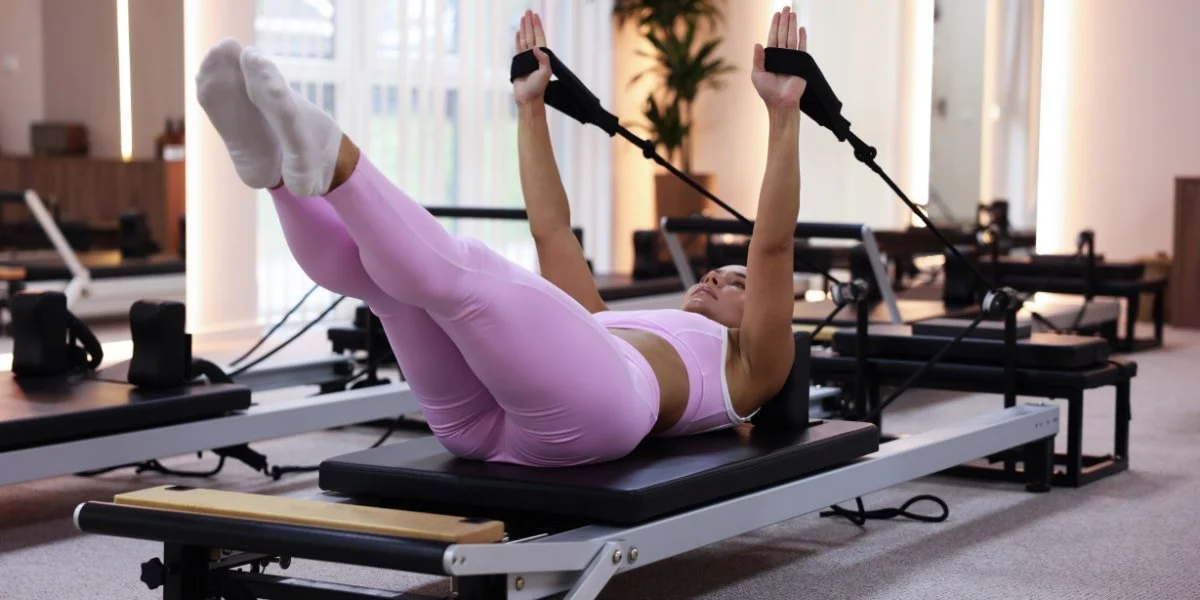
Pilates combines resistance training with controlled movement patterns that load bones through functional ranges. The spring resistance on reformer equipment creates variable tension that challenges muscles and bones simultaneously throughout each exercise. Weight-bearing positions like planks and standing work load your skeletal system while building the muscular support that protects bones during impact activities.
The emphasis on alignment ensures that forces transfer efficiently through your skeleton rather than concentrating stress on vulnerable joints. Regular Pilates practice builds bone density and improves postural control and stability, reducing fall risk as you age.
For individuals looking for a more guided and condition-aware approach to long-term skeletal health, an individualized Pilates approach for bone health can help support strength, balance, posture, and safer progression over time.
RELATED: 5 Benefits of Pilates for Seniors
#2) Progressive Resistance Training
Lifting weights creates substantial mechanical load on bones as muscles contract against resistance. The pulling forces generated during strength exercises stimulate bone formation along the areas where muscles attach to your skeleton. Progressively increasing resistance over time ensures your bones continue to adapt rather than hitting a workout plateau at a maintenance level.
Compound movements like squats and deadlifts load multiple skeletal regions simultaneously, making them particularly efficient for bone health. The key is using enough resistance to challenge your system while maintaining proper form that distributes forces safely.
#3) Weight-Bearing Walking and Hiking
Walking at a brisk pace creates repetitive impact that stimulates bone maintenance throughout your lower body and spine. Adding hills or uneven terrain increases the mechanical demands and produces stronger bone-building signals. Hiking with a weighted pack further enhances the skeletal loading effect by increasing the forces your bones must support.
These activities are accessible for most fitness levels and can be progressed gradually as your capacity improves. Consistent walking or hiking multiple times per week provides the regular stimulus bones need to maintain density.
#4) Running and Impact-Based Cardio

Running generates significantly higher impact forces than walking, creating powerful stimuli for bone adaptation. Each foot strike transmits force through your entire skeletal system, particularly affecting the legs, hips, and spine. The repetitive nature of running provides consistent mechanical stress that promotes improvements in bone density over time.
Higher-intensity running intervals generate even greater peak forces, which may elicit stronger adaptive responses. However, the increased impact also requires adequate recovery and proper progression to avoid overuse injuries.
#5) Jumping and Direction-Change Activities
Plyometric exercises like jumping and hopping create the highest peak forces of any common bone-strengthening activities. These explosive movements generate impact forces several times your body weight, providing extremely potent skeletal stimulation. Sports that involve cutting, pivoting, and quick directional changes also load bones from multiple angles.
This varied loading pattern strengthens skeletal tissue in ways that repetitive linear activities can't replicate. Even small amounts of jumping or agility work can significantly benefit bone health when incorporated into a balanced routine.
Closing Thoughts: Supporting Bone Health Through Consistent, Intentional Movement
Building and maintaining bone density requires a long-term commitment to regular physical activity that appropriately challenges your skeletal system. The specific bone-strengthening activities you choose matter less than the consistency with which you perform them. Your bones respond to the demands you place on them over months and years, not from occasional intense efforts.
Starting with activities appropriate for your current fitness level and gradually progressing helps prevent injury while allowing for sustainable adaptation. The investment you make in bone health today determines your mobility, independence, and quality of life decades from now.
At The Pilates Circuit, we design programs that build both muscular and skeletal strength through progressive, intelligent training.
Get Started Today
Transform your fitness with Private 1x1 Pilates in NYC. At The Pilates Circuit, we deliver personalized one-on-one training designed around your body, your goals, and your progression. Whether you're improving posture, building strength, or enhancing mobility, every session is structured to drive measurable results.
Book an Intro Session to experience how targeted training can make a difference. Train with us at our Chelsea Private Pilates Studio or NOMAD Private Pilates Studio.
Frequently Asked Questions
-
Bone-strengthening activities are exercises that create mechanical stress on your skeleton through weight-bearing movement or resistance. These activities stimulate your bones to maintain or increase their density by signaling that stronger skeletal tissue is necessary.
-
Bone density naturally peaks in your twenties and gradually declines with age, particularly after menopause in women. Lower density reduces skeletal strength and increases fracture risk, which limits how much mechanical load your body can safely handle during training and daily activities.
-
Yes, running can increase bone density due to the repetitive impact forces generated during each foot strike. The mechanical stress signals your body to strengthen bones in your legs, hips, and spine, though the effect requires consistent training over extended periods.
