
7 Fitness Tips to Build Healthy Habits That Stick Long-Term
You can care deeply about your health and still feel unsure what deserves your attention first. You may be trying to sleep better, eat more consistently, exercise regularly, manage stress, and work around a body that does not always feel its best. Health advice can make all of that feel like a growing list of things to fix, even when you are already putting in real effort.
To build healthy habits that stick, look for the foundation underneath the list. That means paying attention to what supports your energy and recovery, creating a dependable strength practice, and adjusting from there based on your own needs. The goal is not to do everything at once. It is to build a routine that gives you more to work with, whether you want to feel better day to day or work toward something bigger.
Getting Healthier Doesn’t Have to Mean Doing More
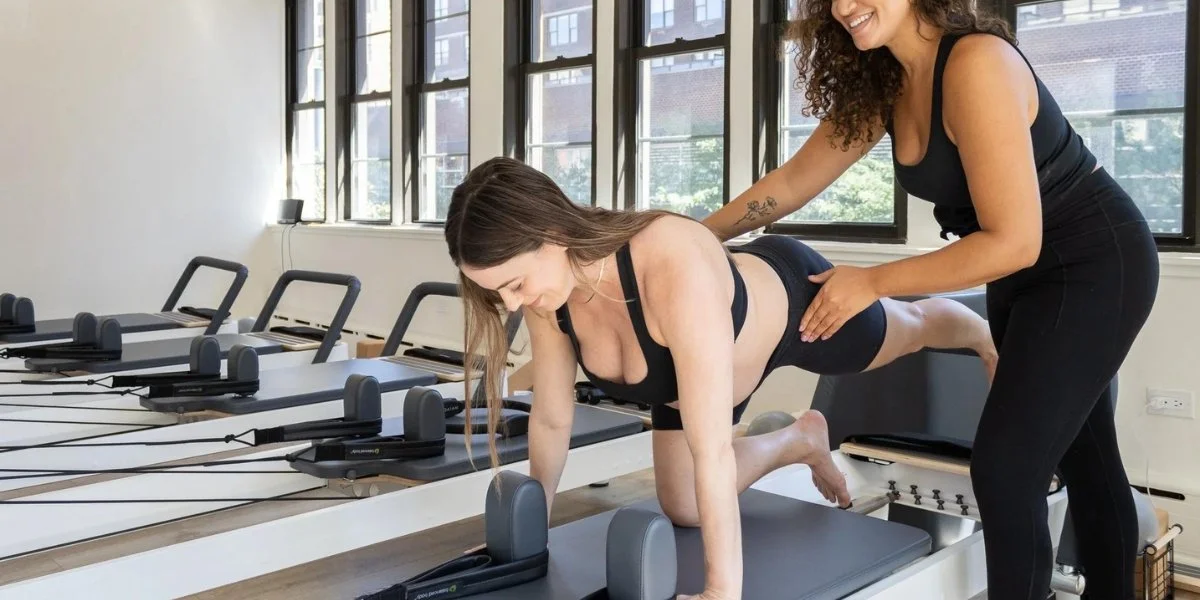
It is easy to reach a point where getting healthier feels like another full-time job. There is always a new routine to try, supplement to consider, or rule to follow. Meanwhile, someone may be trying to exercise more while sleeping poorly, moving through a stressful season, or getting through the day without enough consistent fuel. Adding a harder workout on top of that can feel productive for a little while. It is often difficult to keep up.
Before we ask more of the body, it helps to look at what supports it. Sleep, stress, nutrition, and regular strength work are not separate projects competing for your attention. They shape how much energy you have, how you recover, and what kind of training makes sense right now.
Ultimately, you do not need every part of life perfectly organized before you begin. You do need a foundation that gives your efforts somewhere to go.
7 Fitness Tips to Build Healthy Habits That Stick
The habits that last are usually not built by changing everything at once. They begin with an honest look at what is already affecting your energy, recovery, and ability to show up for yourself.
These seven fitness tips move from the foundations that support training to the more personal decisions that follow. The order matters. It gives you a way to build healthy habits that stick without turning your routine into another source of pressure.
1. Stop Treating Every Health Trend as Something You Need
New information can be useful. It might introduce you to a form of exercise you enjoy or help you better understand a health concern. The trouble starts when every new idea feels like another requirement, especially when you are already tired, stressed, or struggling to keep a routine going.
Before you add something else, take a step back and ask:
What am I hoping this will help with?
Is there something more foundational already getting in the way?
Do I have the time and energy to follow through with it right now?
Those questions are not meant to talk you out of trying anything new. They help you separate what might genuinely support you from what simply adds pressure. Sleep, regular movement, enough food to support your day, and a strength routine you can return to may not be the newest ideas. They are often what make the rest of your routine more possible.
2. Give Sleep a Regular Place in Your Routine
Sleep does not need to be perfect for exercise to be worthwhile. A short night will not undo your progress. But when poor sleep becomes the norm, it can change how your body handles everything else. A workout that usually feels manageable may suddenly feel heavier. Recovery can take longer, and it becomes harder to show up consistently.
That is why sleep belongs in the conversation when you are building a routine. It is not a separate wellness project to solve before you exercise. It is part of the foundation that affects what you have available for training. If you are regularly exhausted, a more demanding plan may not be what you need first.
Giving sleep a more protected place in your week can make the movement you are already doing feel more sustainable.
3. Make Room for Stress Instead of Ignoring It
Stress has a way of showing up in training, even when the workout itself has not changed. You may have less patience for a complicated session, feel more fatigued than usual, or find that a weight you normally handle well feels different that day. That does not mean you are losing progress or doing something wrong. It means your body is already managing more.
You do not have to abandon movement whenever life gets busy. It may just need to serve a different purpose for a while. During a stressful week, that could mean:
Keeping the session, but reducing the demand: Use lighter weight, fewer exercises, or a less intense pace.
Choosing a shorter version you can return to: A focused session is often more useful than waiting for the perfect hour.
Letting the goal be to feel steadier, not exhausted: Training does not need to take everything out of you to count.
A routine should have room for real life. Thoughtful load management, including adjusting workout intensity or volume when needed, is often what helps it last.
4. Build Eating Habits That Support Your Training
Food is not another part of health that needs to be managed perfectly. It is one of the things that gives you the energy to move, recover, and get through your day. When someone is trying to exercise more consistently but feels depleted every time they arrive, it is worth looking beyond the workout itself. They may be expecting a lot from a body that has not had enough support.
Rather than following rigid rules, start with a few practical questions:
Am I eating regularly enough to support my day and my workouts?
Do I often arrive at exercise feeling drained, shaky, or unable to focus?
Would more consistent meals or a snack around training help me feel more prepared?
The right answer will look different from person to person. The goal is not to make eating another source of pressure. It is to notice whether your routine is giving you enough energy to do the work you want to do.
5. Make Strength Training a Twice-Weekly Commitment
A regular strength practice gives your body a reason to keep adapting. It does not need to be the same workout every time, and it does not need to happen in a gym. The important part is returning to some form of resistance or weight-bearing work at least twice a week, as recommended by public health guidelines, to ensure strength becomes part of your routine rather than an occasional extra.
That can take different forms:
Traditional weights, when lifting at a gym or at home makes sense for you.
Bodyweight work that gives you a clear, progressive challenge.
Pilates sessions using spring resistance to build strength, control, and endurance.
Those options are not identical, and the right mix depends on your body, goals, experience, and access. Two dependable sessions are a useful baseline, not a limit on what you can do. Once that foundation is in place, you can build from it.
A routine you can return to is far more useful than an ideal program that only works during your most organized weeks.
6. Pay Attention to What Your Body Needs
The same plan will not suit everyone in the same way. You may have a movement you enjoy but need to approach differently because of a sore knee, a tight shoulder, poor sleep, or a change in how you are recovering. Paying attention does not mean overanalyzing every sensation. It means noticing what is consistently affecting how you move and feel.
A few things worth paying attention to include:
Pain that changes how you perform an exercise
Tightness that keeps returning or limits your range of motion
Recovery that feels different from what is usual for you
Health concerns that need to shape the way you train
Those details can guide a useful adjustment. You might change an exercise, shorten the range, slow the pace, add support, or get more guidance before progressing. On the other hand, when you feel well and your routine is stable, you may be ready to take on more. The next step should come from what your body is showing you, not pressure to keep up with someone else’s plan.
7. Build Your Foundation Before Chasing Bigger Fitness Goals
Bigger goals are worth having. You may want to lift heavier, feel prepared for a long hike, learn a new movement, or simply feel stronger in your everyday life. Those goals give training direction and make it more interesting. They just become easier to pursue when the basics are already supporting you.
When sleep, stress, nutrition, regular strength work, and your individual needs have a place in the picture, you have more to build from. The foundation is not where progress stops. It is what lets you take on a new challenge without asking your body to carry more than it is ready for.
How to Make New Habits Stick Without Changing Everything at Once

New habits tend to fall apart when they are built around an ideal week instead of the one you actually have. Rather than trying to improve sleep, food, stress, and exercise all at once, look for the part of your foundation that feels least steady. That is often where a change will make the most difference.
If strength training keeps getting pushed aside, the next step may be protecting two times each week that are genuinely available. If morning workouts leave you feeling depleted, a more dependable breakfast or pre-workout snack may be more useful than adding another session. During a stressful period, it may mean changing the plan, so movement still has a place without asking too much of you.
Stay with that adjustment long enough to understand it. You are not trying to complete a challenge or prove that you can follow rules perfectly. You are learning what helps you feel more supported and what needs to change when life shifts. A routine can be consistent without looking identical from week to week.
Closing Thoughts: Build Your Health Around the Life You Actually Live
Health can become exhausting when it is treated as a constant effort to fix, optimize, or keep up. A useful routine asks something different. It gives you a steadier base from which to meet the life you already have, with more strength, energy, and awareness of what you need.
That foundation may look simple from the outside. That is how you truly build healthy habits that stick: by creating something sturdy enough to adapt when life does. It may be two strength sessions, more attention to recovery, or a plan that changes when your circumstances do. That does not make it less meaningful or less ambitious. It is what gives you something reliable to build on, whether your next goal is feeling better day to day or taking on a bigger challenge.
Get Started Today
Transform your fitness with Private 1x1 Pilates in NYC. At The Pilates Circuit, we deliver personalized one-on-one training designed around your body, your goals, and your progression. Whether you're improving posture, building strength, or enhancing mobility, every session is structured to drive measurable results.
Book an Intro Session to experience how targeted training can make a difference. Train with us at our Chelsea Private Pilates Studio or NoMad Private Pilates Studio.
Prefer to view your options first? Visit our Pricing page to compare private sessions, packages, and memberships before booking.
Frequently Asked Questions About Building Healthy Fitness Habits
-
No. One missed workout does not erase the work you have already done or mean your routine has failed. Return to the next session you had planned instead of trying to make up for it with an overly demanding workout.
If missed sessions are becoming a pattern, that is useful information. It may mean the timing is unrealistic, the workout is asking too much right now, or something else in your week needs more attention. Adjust the plan so it has a better chance of fitting.
-
Pilates can be meaningful strength training, particularly when it uses spring resistance, bodyweight, and progressive challenge. It can help you build strength, control, and endurance through a wide range of movements.
Whether it meets all of your strength needs depends on how you are training, your current capacity, and what you want to work toward. Some people may benefit from adding traditional weights or another form of resistance alongside Pilates. The more useful question is whether your routine gives you a consistent, appropriate challenge.
-
There is no fixed number of days. Clinical research on health habit formation and automaticity shows that routines take varying lengths of time to feel natural, but an exercise habit becomes more familiar when it has a dependable place in your week and feels easier to return to after life disrupts it.
That process will look different depending on your schedule, the type of movement, and what else is happening in your life. Rather than watching the calendar, pay attention to whether the routine is becoming something you can realistically keep making room for.
