
How To Track Fitness Progress & Effectiveness (Complete Guide)
It is easy to stay consistent with workouts, yet feel unsure if they are actually working. Without a clear way to measure progress, improvements can go unnoticed or feel inconsistent. Tracking your performance gives structure to your training and helps you understand what is driving results.
It shifts your focus from guessing to making informed adjustments over time. When you know what to look for, even small changes start to feel meaningful. A simple and consistent approach can make your progress easier to see and maintain.
Why Tracking Progress Matters When You Want To Improve Your Performance
Improvement in training rarely happens by chance. Without clear tracking, it becomes difficult to know what is actually working. Progress can feel inconsistent without a reference point. Tracking helps you see patterns in your performance over time.
It also allows you to make more informed decisions during your workouts. When you understand your progress, your training becomes more intentional and effective.
What Counts As Progress In Training, Anyways?
Progress is not limited to lifting heavier weights or doing more repetitions. It can show up in how your body moves and responds to different challenges. Many small improvements often add up to meaningful results over time.
Understanding what to look for helps you stay motivated and focused. Progress should reflect both physical capacity and movement quality. When both improve together, training becomes more sustainable.
How Much Load or Difficulty Can You Handle
One clear sign of progress is your ability to handle increased resistance or challenge. This could mean lifting heavier weights or adjusting intensity in other ways. The body adapts gradually when it is exposed to consistent demand.
Over time, what once felt difficult becomes more manageable. This shift indicates that strength and capacity are improving. Tracking this change helps confirm that your training is effective.
How Well You Can Control That Load or Movement
Control is just as important as the amount of weight used. Moving with precision shows that your body is working efficiently. Improved control often reduces unnecessary strain during exercise.
It also allows you to maintain better alignment throughout each movement. This type of progress is subtle but highly valuable. It reflects a deeper level of strength and coordination.
How To Track Fitness Progress & Effectiveness For Real Results
Tracking does not need to be complicated to be effective. A few consistent metrics can provide a clear picture of your progress. The goal is to observe changes over time, not perfection in every session.
By focusing on key indicators, you can better understand how your body is adapting. This approach helps guide your next steps in training. It also keeps your workouts aligned with your goals.
#1) Load Used For The Same Exercise Over Time
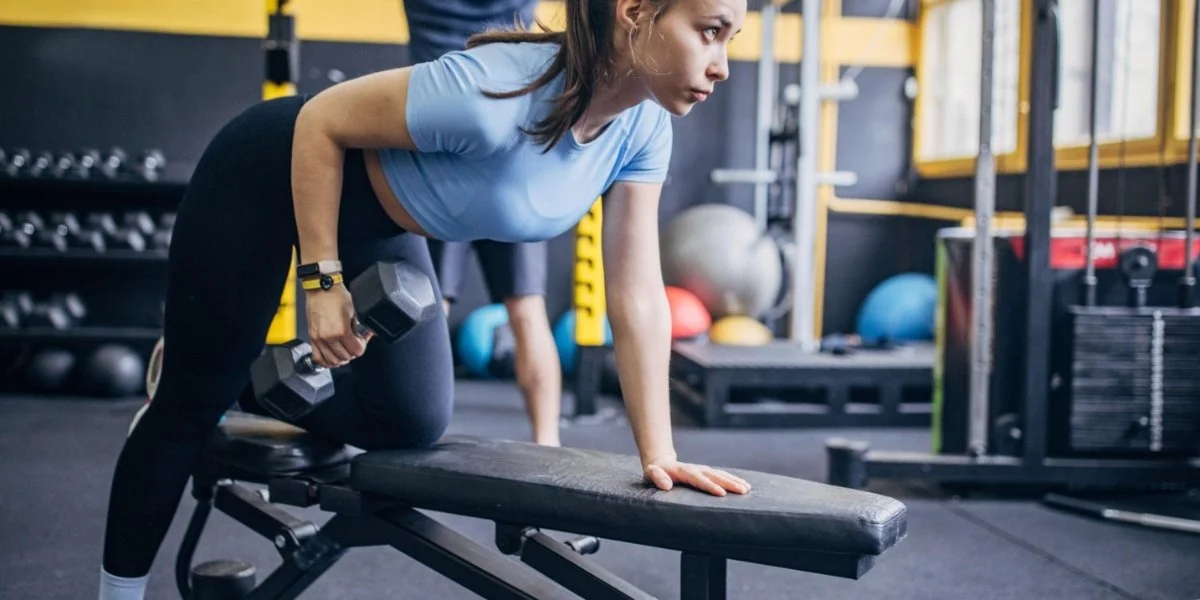
Tracking the weight or resistance used for a specific exercise is a simple method. Over time, you may notice gradual increases in what you can handle. This change reflects improved strength and capacity.
Even small increases are meaningful when they are consistent. It is important to compare similar conditions for accuracy. This helps ensure your progress is measured clearly.
#2) Reps Completed At The Same Load
Another useful measure is how many repetitions you can complete at a fixed weight. Being able to perform more reps suggests improved endurance and control.
This form of progress often appears before load increases. It shows that your body is adapting to the current demand.
Tracking repetitions helps highlight these changes. It also provides a clear next step for progression.
#3) Tempo And Control Through Each Rep
The speed and quality of each repetition matter more than many realize. Slower, controlled movements often require greater strength and coordination. Improved tempo control shows better body awareness. It also reduces reliance on momentum during exercises.
Tracking this element helps ensure your training remains effective. It reinforces proper movement patterns over time.
#4) Range Of Motion You Can Maintain Under Load
Range of motion is a key factor in movement quality. Being able to move fully while maintaining control indicates improvement. A limited range can restrict progress and increase strain. As mobility improves, exercises often feel smoother and more efficient.
Tracking how deeply or fully you can move is valuable. It reflects both strength and flexibility working together.
#5) Rest Time Needed Between Sets

Rest time can reveal how well your body is recovering during training. Needing less rest while maintaining performance suggests improved conditioning. It shows that your body can handle repeated effort more efficiently.
Tracking rest intervals provides insight into endurance. It also helps structure your workouts more effectively. Small changes in recovery can indicate meaningful progress.
Useful Tips For Tracking Your Progress Without Overcomplicating It
Tracking should support your training, not overwhelm it. Keeping a simple log can be enough to notice patterns over time. Focus on a few key metrics rather than trying to track everything.
Consistency matters more than detail when building this habit. It is also helpful to review your notes regularly. This allows you to adjust your training based on real data.
Closing Thoughts: Why Clear Tracking Supports Better Training Decisions
Clear tracking creates a stronger connection between effort and results. It allows you to see how your body responds to different challenges. With this insight, your training becomes more focused and efficient.
You can adjust your approach based on real progress, not guesswork. Over time, this leads to more consistent improvement. Better decisions come from understanding what is actually working.
Tracking progress effectively transforms exercise from routine into a measurable, adaptive process. Learning how to track fitness progress & effectiveness is helpful because monitoring strength, mobility, posture, and well-being creates a complete picture of how your body responds over time.
In practice, this approach ensures you can make informed adjustments, maintain motivation, and celebrate tangible improvements rather than relying on guesswork.
By integrating consistent tracking into your fitness routine, you gain insight into what drives results, cultivate a deeper awareness of your body, and build a framework that supports long-term growth and resilience.
Get Started Today
Transform your fitness with Private 1x1 Pilates in NYC. At The Pilates Circuit, we deliver personalized one-on-one training designed around your body, your goals, and your progression. Whether you're improving posture, building strength, or enhancing mobility, every session is structured to drive measurable results.
Book an Intro Session to experience how targeted training can make a difference. Train with us at our Chelsea Private Pilates Studio or NOMAD Private Pilates Studio.
Frequently Asked Questions
-
Progress can show up in many ways beyond visible changes. You may feel stronger, more controlled, or more consistent in your workouts. Movements may start to feel smoother and more efficient. These signs indicate that your body is adapting. Tracking helps confirm these improvements over time.
-
The best method is one that you can maintain consistently. Simple tracking of weight, repetitions, and movement quality works well. Writing this down after each session creates a clear record. Over time, patterns become easier to see. This makes it easier to adjust your training.
-
Reviewing your progress every few weeks is usually effective. This gives enough time to notice meaningful changes. Looking too often can make progress feel slower than it is. Regular check-ins help you stay on track without overanalyzing. This balance keeps your training focused and productive.
