
The Ultimate Chelsea Neighborhood Guide (An Insider's Look)
Chelsea has evolved from an industrial warehouse district to one of Manhattan's most dynamic and layered neighborhoods. The area manages to feel both polished and unpretentious, which isn't easy to pull off in New York. You'll find world-class art galleries steps away from dive bars that have survived decades of gentrification.
The neighborhood attracts creative professionals, longtime residents, and people seeking community in a city that often feels anonymous. Chelsea doesn't try to be the trendiest or most exclusive area, which is precisely what makes it compelling. This comprehensive Chelsea neighborhood guide explores this unique neighborhood through the eyes of people who actually live, work, and move through these streets daily.
Discovering Chelsea Through Local Eyes
Locals experience Chelsea as a collection of distinct pockets rather than one uniform neighborhood with consistent character.
The gallery district near Tenth Avenue feels entirely different from the residential blocks closer to Fifth Avenue. You'll notice how the energy shifts between the bustling stretches and the quiet tree-lined streets within blocks. People who've lived here for years still discover new restaurants, shops, and corners they'd somehow missed before.
The neighborhood rewards exploration and repeat visits rather than revealing everything in a single afternoon walkthrough. Chelsea's depth comes from its layers of history, culture, and the people who choose to build lives here.
Understanding the area requires time and attention that typical tourist guides simply cannot provide or capture.
Where Chelsea Fits Into Manhattan’s Map and Mindset
Chelsea occupies the western side of Manhattan roughly from 14th Street to 34th Street, bordered by the Hudson River. The neighborhood sits between the Meatpacking District to the south and Hell's Kitchen to the north.
Geographically, Chelsea connects Midtown's density with Downtown's more residential, neighborhood-focused feel and street-level character. The area has always been a transition zone, which explains its diverse mix of old and new architecture.
This in-between quality means Chelsea avoids the extreme tourist congestion of adjacent neighborhoods while maintaining excellent transit access. The western edge along the river offers openness and green space that central Manhattan simply cannot accommodate. Chelsea Piers activities are also a big part of why the neighborhood feels so active and outdoors-oriented.
Chelsea's position makes it genuinely convenient for people working anywhere in Manhattan while preserving the neighborhood's identity and charm.
The Everyday Energy That Defines the Neighborhood
Chelsea carries a purposeful energy that feels less frantic than Midtown but more dynamic than residential-only neighborhoods.
People here tend to walk with intention rather than rushing manically or wandering aimlessly through their days. The streets feel alive during both work hours and evenings, creating the consistent activity that makes neighborhoods feel safe. You'll see the same faces at morning coffee spots and evening dog walks, building the familiarity that defines community.
The mix of residential, commercial, and creative spaces means Chelsea never feels deserted or overwhelmingly crowded at any hour. This balanced energy makes the neighborhood feel grounded and livable rather than performative or exclusively transient.
The vibe encourages you to slow down just enough to notice details without losing the forward momentum.
The Creative Core of Chelsea
Chelsea's identity as an art hub transformed the neighborhood more than any other single factor in recent decades. The migration of galleries from SoHo in the 1990s brought cultural legitimacy and serious money to formerly industrial blocks.
Today, the concentration of contemporary art spaces between Tenth and Eleventh Avenues rivals any arts district globally. Major galleries like Gagosian, Pace, and David Zwirner anchor a scene that includes hundreds of smaller exhibition spaces.
This creative infrastructure attracts artists, curators, collectors, and people who simply value living near cultural production. The gallery scene shapes Chelsea's aesthetic even in spaces that have nothing to do with art directly.
You'll notice the attention to design, materials, and visual presentation that permeates restaurants, shops, and residential buildings.
Exploring Art Galleries, Architecture, and the High Line
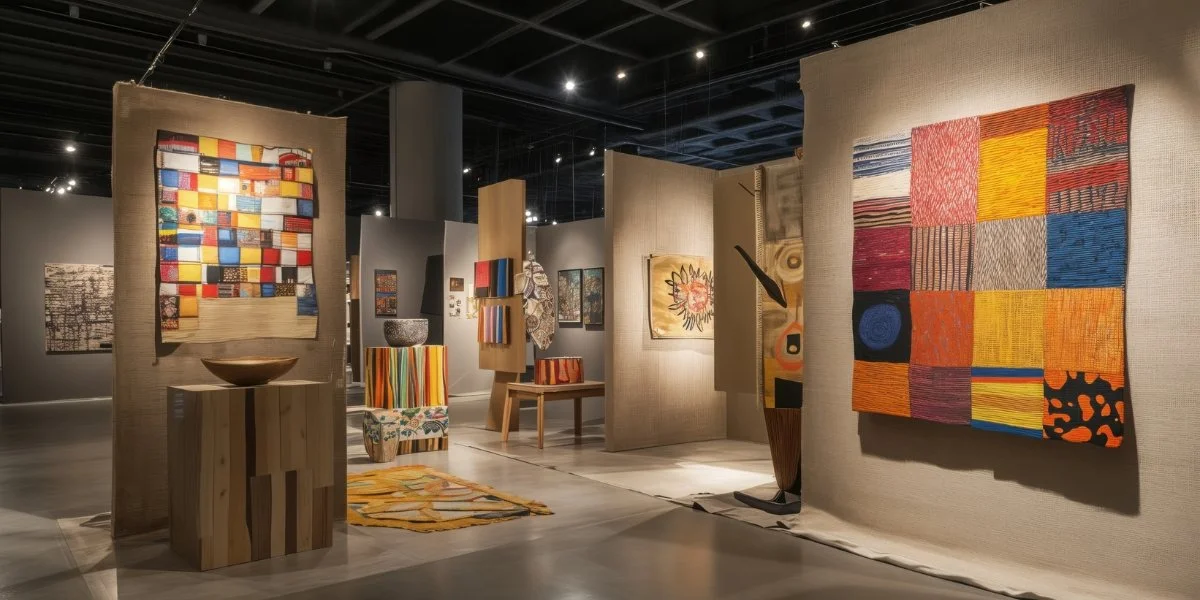
Gallery hopping in Chelsea requires no admission fees, appointments, or pretense about your knowledge or purchasing power. Most spaces welcome visitors who simply want to see what's currently showing without pressure to buy or perform expertise.
The architecture of converted warehouses provides the dramatic high ceilings and natural light that contemporary art demands. Exploring multiple galleries in an afternoon gives you a genuine survey of what's happening in the art world.
The High Line connects much of the gallery district while offering elevated views and carefully designed landscape architecture. This converted rail line transformed how New Yorkers think about public space, infrastructure reuse, and urban design possibilities.
Walking the High Line from Gansevoort to 34th Street provides the ultimate Chelsea neighborhood guide in physical form.
How the Arts Shape Chelsea’s Character
The arts presence elevates Chelsea's overall aesthetic standards in ways both obvious and subtle throughout the neighborhood. Restaurant and shop design reflects the same attention to space, light, and materials you see in galleries.
People who work in creative industries bring sensibilities that influence everything from fashion to conversation topics at local cafes. The neighborhood attracts residents who value cultural access and are willing to pay premium rents for that proximity.
Gallery openings create social fabric and networking opportunities that extend beyond the art world into broader community connections. This creative concentration prevents Chelsea from becoming a purely finance- or tech-bro enclave, like some Manhattan neighborhoods.
The arts community provides soul and identity that money alone cannot manufacture or sustain over time.
Where Locals Eat, Sip, and Stay Awhile
Chelsea's food scene reflects genuine diversity rather than the manufactured variety you find in development projects with corporate tenants. Longtime neighborhood spots like Empire Diner coexist with newer concepts from acclaimed chefs testing ideas in smaller spaces.
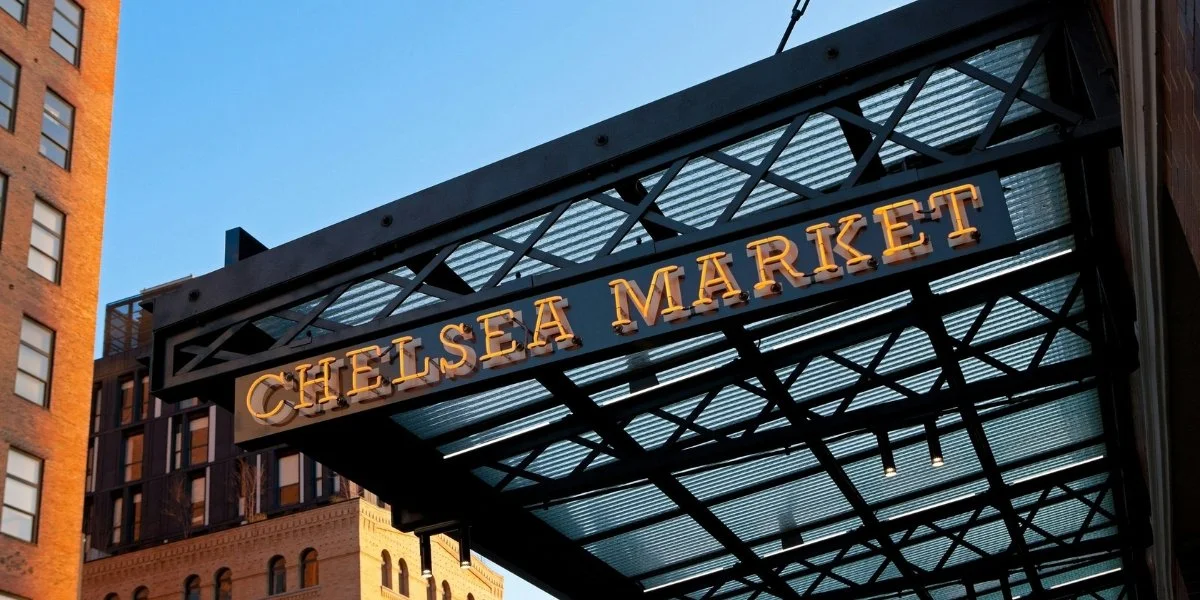
Chelsea Market anchors the southern edge with vendors that locals actually visit rather than purely tourist-trap offerings. For residents, many of the things to do near Chelsea Market are simply extensions of daily life- meeting a friend for coffee, grabbing a casual bite, or lingering longer than planned.
Ninth Avenue particularly offers the density of restaurants, cafes, and bars that make spontaneous dining decisions easy and rewarding.
The mix includes affordable takeout, mid-range neighborhood spots, and special occasion restaurants without the bridge-and-tunnel scene. You'll find people lingering over coffee or cocktails rather than rushing through meals to get to the next thing.
This culture of staying awhile creates the social infrastructure that transforms residents into neighbors and community members.
Cozy Cafes, Hidden Gems, and Neighborhood Staples
Cafes like Bluestone Lane serve as unofficial community centers where regulars recognize each other daily. These aren't coworking spaces with explicit laptop policies but genuine gathering spots for neighborhood residents and workers.
Hidden gems like Cookshop offer consistently excellent food without the hype or impossible reservations plaguing trendier restaurants. Long-standing spots such as Bottino have survived multiple waves of neighborhood change through quality and loyalty.
These places understand that locals need restaurants they can visit regularly without special occasions or extended planning. The survival of independent spots proves Chelsea hasn't completely succumbed to chain takeover despite escalating commercial rents.
Dining That Reflects Chelsea’s Blend of Cultures
Chelsea's restaurant landscape shows the neighborhood's demographic diversity through cuisine representing dozens of cultural traditions and culinary perspectives.
You'll find Thai, Mexican, Italian, Japanese, and American regional cooking all within a few blocks of each other. This variety isn't the sanitized food court version but actual restaurants run by people with cultural connections.
The mix reflects both longtime immigrant communities and newer arrivals bringing authentic flavors to the neighborhood. Dining options span from casual counter service to white tablecloth experiences without leaving Chelsea's boundaries completely. The food scene caters to locals who eat out frequently rather than tourists seeking Instagram moments or celebrity sightings.
This everyday dining culture means consistently good food at reasonable prices still exists if you know where to look.
Movement and Mindfulness in the City
Chelsea residents prioritize wellness and movement in ways that extend beyond typical gym memberships and fitness classes. The neighborhood offers exceptional options for people seeking intentional, personalized approaches to physical health and mental wellbeing.
Private studios focusing on quality over quantity provide alternatives to the overcrowded group class model dominating other neighborhoods. You'll find specialized offerings from physical therapy to nutrition counseling to movement practices supporting long-term health versus quick fixes.
The Pilates Circuit private Pilates studio in Chelsea exemplifies this approach with private one-on-one training that actually adapts to your body and goals. Our Chelsea studio provides a focused, distraction-free environment where real progress happens through personalized expert attention and programming.
This level of customization represents what makes Chelsea's wellness scene distinctive and genuinely effective for sustained results.
Local Studios and Gyms That Keep the Community Grounded
Beyond personal training in Chelsea, the neighborhood offers yoga studios, climbing gyms, and fitness spaces that build community through shared practice.
These aren't corporate chains but independently owned spots where instructors know members' names, limitations, and personal goals. The neighborhood's density supports specialized studios that couldn't survive in less populated areas without sufficient client bases.
Options range from gentle restorative practices to intense athletic training, depending on what your body needs at any moment. Many residents piece together memberships at multiple studios rather than committing to a single all-purpose gym that doesn't excel.
This approach to movement reflects Chelsea's broader embrace of quality and specialization over convenience and one-size-fits-all solutions.
Outdoor Spaces That Invite You to Slow Down
The High Line provides the area’s most obvious outdoor space, but neighborhood parks in Chelsea offer quieter alternatives for locals seeking respite. Chelsea Park at 28th Street gives families playground access and open lawn space without the High Line's crowds.
The Hudson River Greenway runs along the western edge, offering uninterrupted paths for running, cycling, and walking. These spaces become extensions of living rooms for apartment dwellers without private outdoor access or yard space.
You'll see people reading, working, exercising, and simply sitting throughout the day in weather-appropriate seasons and conditions. The outdoor infrastructure recognizes that urban living requires access to nature, sunlight, and space to breathe deeply.
Chelsea's commitment to public space makes the neighborhood livable rather than just profitable for developers and commercial interests.

Experiencing a Day in Chelsea
A typical day in Chelsea starts with morning coffee from neighborhood cafes before the tourist crowds arrive at midday. Locals walk dogs, hit early workout classes, and grab breakfast sandwiches while the streets still feel relatively quiet.
Mid-morning brings gallery workers, remote employees settling into cafes, and the neighborhood's purposeful energy building toward afternoon momentum. Lunch happens at counter-service spots or quick-turn restaurants that understand people need to eat efficiently without sacrificing quality.
Afternoons see art enthusiasts gallery hopping, families visiting the High Line, and people simply moving through the neighborhood running errands. Evening transforms the area as restaurants fill, bars open, and the after-work crowd emerges seeking dinner and drinks.
The day's rhythm reflects a genuine neighborhood rather than a purely commercial district that empties after business hours.
Closing Thoughts: Finding Connection in Chelsea’s Everyday Life
Chelsea works because it balances the extraordinary with the everyday in ways that make life feel both special and sustainable. The neighborhood offers world-class culture alongside reliable spots for picking up groceries and grabbing weeknight dinner without fanfare.
This combination attracts people seeking substance over scene, though Chelsea certainly has its share of see-and-be-seen establishments. The ultimate Chelsea neighborhood guide isn't really about hitting specific destinations but understanding the area's character and rhythms.
Living or spending significant time here means becoming part of the fabric rather than just consuming what the neighborhood offers. Chelsea rewards the people who invest attention and presence rather than those seeking Instagram backgrounds or status addresses.
The neighborhood's true value emerges through daily experience rather than weekend visits or surface-level exploration alone.
Get Started Today
Transform your fitness with Private 1x1 Pilates in NYC. At The Pilates Circuit, we deliver personalized one-on-one training designed around your body, your goals, and your progression. Whether you're improving posture, building strength, or enhancing mobility, every session is structured to drive measurable results.
Book an Intro Session to experience how targeted training can make a difference. Train with us at our Chelsea Private Pilates Studio or NOMAD Private Pilates Studio.
Frequently Asked Questions
Where Is the Chelsea Neighborhood in New York?
Chelsea occupies Manhattan's west side roughly between 14th Street and 34th Street, from Fifth Avenue to the Hudson River.
The neighborhood sits directly above the Meatpacking District and below Hell's Kitchen, bordered by the river to the west.
Geographically, Chelsea connects downtown residential areas with midtown commercial districts while maintaining its own distinct character and identity. The western edge along the water includes the High Line and Hudson River Park greenway system.
Multiple subway lines serve the area, including the 1, A, C, E, and L trains at various stations. This central location makes Chelsea accessible from anywhere in Manhattan while feeling more neighborhood-focused than purely transitional.
What Are the Best Things to Do in Chelsea on a Weekend?
Weekend activities in the ultimate Chelsea neighborhood guide include gallery hopping along Tenth and Eleventh Avenues, with no admission fees or appointments required.
The High Line offers elevated park space perfect for walking, people-watching, and enjoying designed landscape architecture and river views. Chelsea Market provides food exploration and shopping in a historic building with vendors ranging from local artisans to established names. Brunch at neighborhood restaurants like Cookshop or cafes along Ninth Avenue delivers excellent food without bridge-and-tunnel crowds.
The Hudson River Greenway accommodates running, cycling, or walking along the water with unobstructed paths and consistent scenery. Private Pilates sessions at The Pilates Circuit offer focused movement practice that enhances your weekend without the chaos.
Is Chelsea a Good Place to Live for Active New Yorkers?
Chelsea excels for active residents who prioritize movement, wellness access, and outdoor space within Manhattan's dense urban environment. The neighborhood offers exceptional private studios, specialized gyms, and wellness practitioners focused on sustainable health versus quick fixes.
The High Line, Chelsea Park, and Hudson River Greenway provide multiple outdoor options for running, walking, and activities beyond indoor gyms. The area's walkability means most daily needs sit within a reasonable distance, naturally building movement into your routine.
Chelsea attracts health-conscious professionals who view fitness as a lifestyle rather than an obligation, creating a community around shared values.
