
Dynamic Stretches vs Static Stretches: An Everyday Guide
Stretching often gets reduced to something you should do before or after workouts without a real understanding of why. The truth is that different types of stretching serve completely different purposes for your body and its needs. Dynamic stretches prepare your system for movement while static stretches help you wind down and recover after effort.
Knowing when to use each type transforms stretching from obligation into a tool you actually understand and control. Many people use the wrong type at the wrong time, which explains why their stretching routine doesn't deliver expected results.
For example, people who sit most of the day, simple stretches for desk workers support both dynamic and static flexibility.
Understanding the differences between dynamic stretches vs static stretches gives you clarity about what your body needs in different situations. This guide breaks down both approaches so you can stretch with intention rather than just going through motions.
How Stretching Shapes The Way Your Body Feels When You Move
Your daily stretching habits directly influence how your body responds when you ask it to move, bend, or perform. Regular stretching maintains the tissue pliability that allows joints to move freely through their full available range.
Consistent practice prevents the gradual stiffening that happens when you repeat the same limited movement patterns every day.
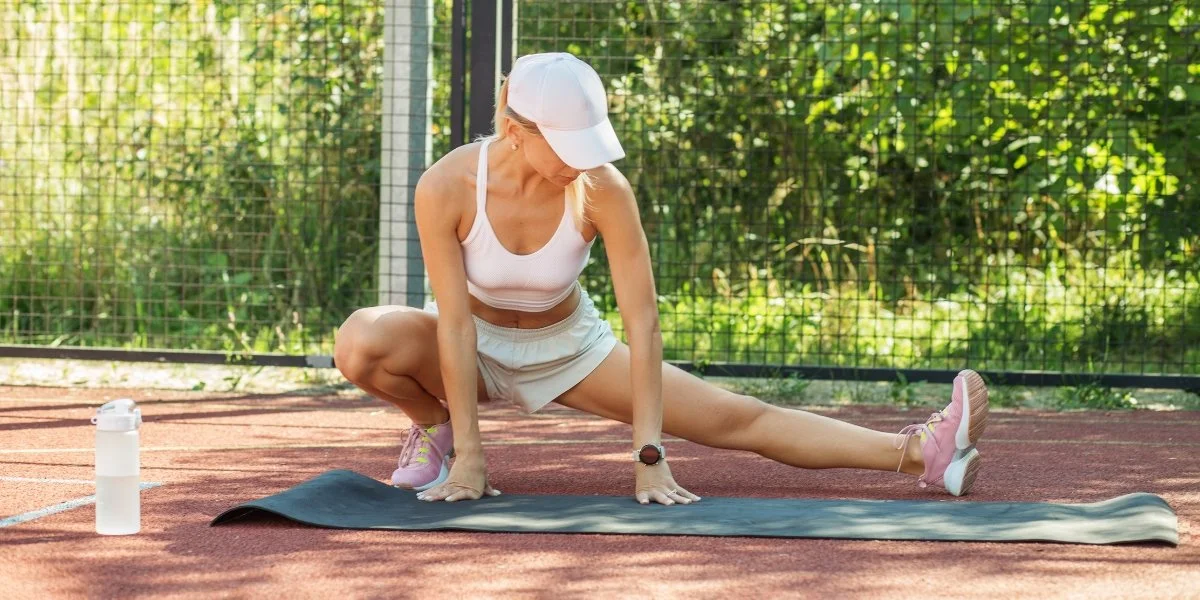
Stretching also provides feedback about where your body holds tension or has developed restrictions you hadn't noticed. The type of stretching you choose affects whether you feel energized or relaxed after your practice session.
Dynamic work activates your nervous system while static work calms it down, creating opposite physiological effects.
Understanding these differences helps you choose stretching that supports rather than works against your daily rhythms and needs.
Dynamic Stretches vs Static Stretches: What’s The Difference?
The fundamental difference between dynamic and static stretching lies in whether you're moving or holding still during the stretch.
Dynamic stretching involves controlled movement through your joints' available range, gradually increasing the motion's size and speed. Static stretching means holding a single position at your comfortable range limit without bouncing or moving further.
Dynamic work prepares your body for activity by increasing blood flow, raising body temperature, and activating neuromuscular pathways.
Static stretching promotes relaxation, tissue lengthening, and recovery by holding positions that allow muscles to release tension gradually.
Comparing dynamic stretches vs static stretches reveals that timing matters as much as technique for achieving desired results.
Each type serves specific purposes that make them appropriate for different moments in your day or workout routine.
What Is Dynamic Stretching?
Dynamic stretching uses controlled, repetitive movements that take your joints through progressively larger ranges of motion.
These movements mimic the activities you're about to perform but are executed at slower speeds with deliberate control. The stretches activate muscles, increase circulation, and prepare your nervous system to coordinate complex movement patterns effectively.
Dynamic work feels active rather than passive, requiring engagement and attention throughout the entire stretching sequence you're performing.
Common examples include leg swings, arm circles, walking lunges, and torso rotations performed with smooth, continuous motion.
This type of stretching raises your heart rate slightly and creates a sense of readiness rather than relaxation.
The goal is to prepare your body for movement demands rather than to achieve maximum flexibility in any single position.
How Dynamic Stretches Prepare Your Muscles & Joints To Work
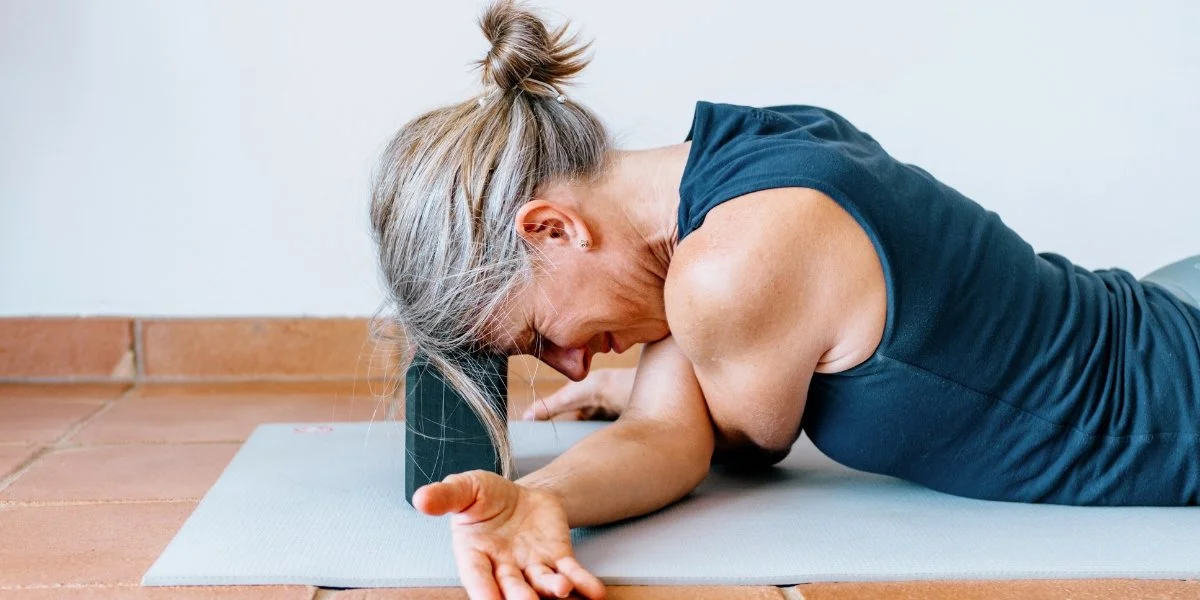
Dynamic stretching increases blood flow to muscles and connective tissues, delivering oxygen and nutrients needed for upcoming work.
The repetitive motion lubricates joints by stimulating synovial fluid production that reduces friction during movement throughout your session.
Your nervous system activates the neuromuscular pathways required for coordinated movement, improving reaction time and movement quality immediately.
Body temperature rises gradually through the movement, making tissues more pliable and less prone to strain or injury. The progressive range increase allows your body to adapt safely rather than forcing cold tissues into extreme positions.
This preparation reduces injury risk while improving performance capacity in whatever activity follows the dynamic stretching sequence.
Your body literally becomes ready to move efficiently rather than being shocked into sudden demands from a resting state.
What Dynamic Stretching Looks Like In Everyday Life And Warmups
Before running, dynamic stretches might include leg swings forward and back, side to side, and walking lunges. Pilates sessions often begin with spinal articulation exercises that move your back through flexion, extension, and rotation.
Arm circles and shoulder rolls prepare your upper body for activities requiring overhead reaching or carrying weight. Walking with high knees, butt kicks, or lateral shuffles activates leg muscles while increasing your heart rate.
These movements feel purposeful and energizing rather than passive or relaxing in their effect on your system. You'll notice your body warming up and feeling more coordinated as you progress through the dynamic sequence.
The entire warmup might last five to ten minutes, depending on the intensity of activity you're preparing for.
The Energy, Mobility, And Coordination Benefits That Dynamic Work Builds
Regular dynamic stretching improves your body's ability to move efficiently through full ranges of motion during all activities.
The coordination developed through controlled movement patterns translates directly to better performance in sports, workouts, and daily tasks. Your proprioception increases as you practice moving your body through space with awareness and intentional control throughout sequences.
Energy levels rise because dynamic work activates rather than sedates your nervous system, creating alertness and readiness. Over time, this type of stretching maintains and can even expand your functional range of motion during active movement.
The mobility you build feels usable and controlled rather than just theoretical flexibility you can't actually access.
These benefits make dynamic stretching valuable even on days when you're not doing intense workouts afterward.
What Is Static Stretching?
Static stretching involves moving into a position at your comfortable range limit and holding still without bouncing.
You maintain the stretch for typically 15 to 60 seconds, allowing tissues to gradually lengthen and release tension. The position should create a gentle pulling sensation without pain, discomfort, or the need to force a deeper range.
Your breathing remains steady and relaxed, which helps your nervous system recognize the position as safe rather than threatening. Common static stretches include seated hamstring stretches, quad stretches, standing on one leg, and shoulder stretches across the body.
This type of stretching feels meditative and calming, creating a sense of release rather than activation or energy.
The goal is increasing flexibility and promoting recovery rather than preparing your body for immediate vigorous activity.
How Holding Still Helps Calm The Body And Ease Into A New Range
Static stretching activates your parasympathetic nervous system, which promotes relaxation and recovery rather than preparing for action.
Holding a position allows your stretch reflex to calm down after the initial activation, permitting deeper tissue lengthening. Your muscles gradually release protective tension when your nervous system recognizes the position isn't creating harm or injury.
Blood flow to the stretched area increases while you hold, delivering nutrients and removing metabolic waste products. The sustained position provides time for connective tissue to adapt and lengthen beyond its typical resting state.
This process requires patience and cannot be rushed without risking injury or triggering protective muscle contraction.
Static stretching essentially teaches your body that greater range is safe, gradually expanding what feels comfortable over time.
The Flexibility, Release, And Recovery Benefits Static Stretches Offer
Static stretching effectively increases your passive range of motion when practiced consistently over weeks and months.
The practice helps release chronic muscle tension accumulated from repetitive movements, stress, or poor postural habits throughout your day. Recovery improves as static stretching promotes blood flow that helps clear metabolic waste products from tired muscles.
Many people find static stretching mentally calming, making it an excellent evening practice that supports better sleep. The flexibility gained makes everyday movements like bending or reaching feel easier and less restricted over time.
Regular static stretching can reduce injury risk by maintaining tissue pliability that accommodates unexpected movements or demands.
These benefits make static work valuable for overall wellness even if you're not particularly athletic or workout-focused.
How Stretching Integrates Seamlessly Into Pilates Work
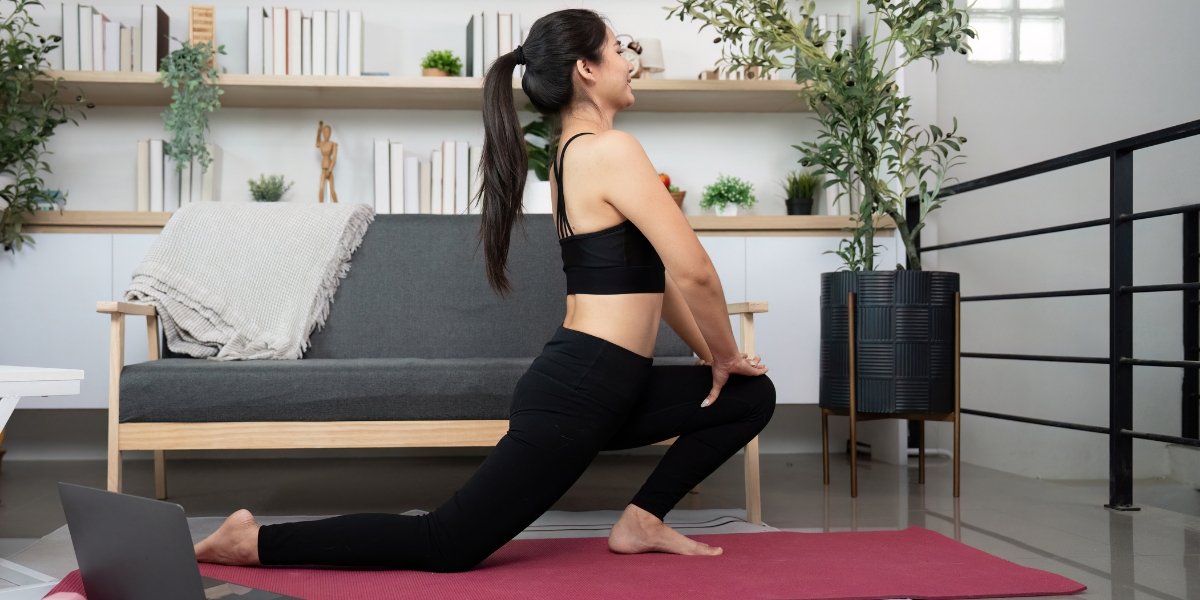
Pilates naturally incorporates both dynamic and static stretching principles throughout its exercise repertoire without separating them explicitly.
The flowing nature of many exercises provides dynamic stretching benefits while building strength and coordination simultaneously. Certain positions hold at range limits, incorporating static stretching principles to improve flexibility alongside active control development.
This integration means you're addressing multiple physical qualities in one efficient practice session rather than needing separate workouts. The emphasis on learning Pilates breathing for additional control makes even dynamic movements feel mindful rather than rushed or chaotic.
Pilates proves that stretching doesn't need to be a separate activity but can be woven into comprehensive movement training.
Where Dynamic Mobility Shows Up In The Flow
Pilates exercises like leg circles, swimming, and rolling incorporate dynamic stretching naturally through controlled, repetitive movement patterns.
The warm-up phase typically includes spinal articulation and limb movements that prepare your body for the work ahead. Flowing between positions requires dynamic mobility as you transition smoothly rather than stopping completely between each exercise.
The reformer's sliding carriage creates dynamic stretching opportunities as springs provide resistance through full ranges of motion. These movements improve coordination and functional mobility while simultaneously building the strength to control those ranges effectively.
The dynamic elements make Pilates feel energizing and engaging rather than passive or purely relaxing throughout your session.
This approach develops mobility you can actually use during activities rather than flexibility that only exists in static positions.
The Controlled Holds That Help You Access a New Range Safely
Certain Pilates exercises incorporate holds at challenging positions that provide static stretching benefits alongside strength development.
The mermaid stretch holds your side body in elongation while you breathe deeply and allow gradual lengthening. Spine stretch forward positions you in a sustained hamstring and back stretch that deepens with each exhale.
These holds rarely last as long as traditional static stretching but still provide tissue lengthening and recovery benefits.
The combination of active engagement and passive lengthening creates balanced development without pure relaxation that might reduce workout effectiveness.
An instructor can provide gentle assistance during holds, helping you safely explore ranges you're working toward controlling independently.
This thoughtful integration of static elements ensures flexibility develops alongside the strength to control and protect those ranges.
Closing Thoughts: Building A Stretching Routine That Supports Your Day
Understanding when to use dynamic versus static stretching transforms your practice from random to purposeful and strategic.
Use dynamic work before activities requiring movement, coordination, or strength to prepare your body appropriately for demands ahead.
Save static stretching for after workouts or during evening wind-down routines when relaxation serves your goals better than activation.
Some days you might need more dynamic work to energize a sluggish system, while other days require static stretching for recovery. The key is matching your stretching type to your current needs and timing rather than following rigid rules.
Your body will respond better when you work with its natural rhythms instead of against them.
Understanding when to use dynamic versus static stretching is only effective if your movement practice applies those principles correctly. That’s where expert guidance makes the difference.
Get Started Today
Transform your fitness with Private 1x1 Pilates in NYC. At The Pilates Circuit, we deliver personalized one-on-one training designed around your body, your goals, and your progression. Whether you're improving posture, building strength, or enhancing mobility, every session is structured to drive measurable results.
Book an Intro Session to experience how targeted training can make a difference. Train with us at our Chelsea Private Pilates Studio or NOMAD Private Pilates Studio.
Frequently Asked Questions
What’s The Main Difference Between Dynamic And Static Stretching?
Dynamic stretching uses controlled movement through a joint’s range of motion to prepare the body for activity.
Static stretching involves holding a position at a comfortable end range to promote relaxation, flexibility, and recovery.
Dynamic stretches are best before movement, while static stretches are most effective after.
Can Stretching Improve Flexibility And Strength Together?
Yes. Dynamic stretching builds mobility and strength by actively controlling movement through range, while static stretching improves passive flexibility and supports recovery.
Pilates combines both by strengthening muscles through full ranges, creating flexibility you can actually use.
When Should You Add Stretching To Your Day?
Use dynamic stretching before workouts or active movement to warm up and improve coordination. Practice static stretching after exercise or in the evening to support recovery and relaxation.
Matching the type of stretching to the timing helps your body respond better throughout the day.
