
How to Increase Range of Motion With Strength and Control
If a movement feels restricted, stretching is usually the first thing people try. That makes sense. Sometimes an area genuinely feels stiff, and spending time in a stretch makes the position more comfortable. But if you have been stretching the same place repeatedly and your movement has barely changed, the restriction may not be explained by flexibility alone.
To increase range of motion, for starters, we must also look at what happens when you actually try to use that range. Can you move into the position under your own control? Can you stay organized there and move back out without another part of the body taking over? Strength, coordination, and repeated exposure can all influence how much of your available range you can use. The right approach depends on what is limiting the movement in the first place.
What Does It Mean to Increase Range of Motion?
Range of motion describes how much movement is available at a joint during a particular action. That does not always match the range you can actively move through on your own. You might be able to bring your leg farther toward your body with a strap, for example, than you can lift it using your own strength. We break down that distinction more fully in our guide to active vs. passive range of motion.
For training, the more useful question is what happens when you move into that range yourself. Can you hold the position, produce force there, and return with control? If another part of the body has to take over as you move farther, gaining a few extra degrees may not improve the movement in the way you expected.
Why Stretching Alone May Not Improve the Range You Can Use
Stretching can absolutely help improve range of motion. It can make a position feel more comfortable, give you access to movement that feels stiff, and gradually increase how much stretch you can tolerate. The limitation is that access to a position does not automatically give you the strength to move into it or control what happens once you are there.
Understanding the difference between mobility and flexibility becomes useful here because reaching a position and controlling movement through it are not always the same thing.
Take a straight-leg raise. You may be able to pull the leg noticeably farther toward you with a strap than you can lift it on your own. If that gap stays the same after plenty of stretching, I would start looking at more than hamstring flexibility. How far can you lift the leg before the pelvis changes position? Can you hold it there? Does the movement feel restricted, or does it simply become difficult to control?
Those details help determine what the training needs next. Sometimes more mobility work makes sense. Other times the better next step is building strength and coordination within the range that is already available.
How Strength Helps You Use More of Your Available Range

Your muscles have to manage force throughout a movement, including the positions that feel less familiar or more demanding. If you rarely train beyond a small, comfortable range, you may have very little practice producing force as the joint moves farther. Gradually strengthening those positions can make more of your available range feel usable rather than simply accessible.
That progression should match what you can currently control. Moving deeper or adding more resistance before you can manage the position usually changes the exercise instead of improving it. We would rather start with a range you can organize well and build from there, whether the exercise uses body weight, Pilates springs, or an external load.
Build Strength Across the Range You Can Control
The edge of your current range often feels harder because the leverage changes and you may have less experience producing force there. A squat is an easy example. As someone moves deeper, we may see the torso shift, the pelvis change position, the tempo suddenly speed up, or the person struggle to stand back up with the same control. Those changes give us more useful information than depth alone.
That does not mean the deeper squat is automatically wrong. It tells us where the current challenge begins. We might reduce the depth slightly, change the load, add support, or spend more time strengthening the portion of the movement that is difficult. As that position becomes stronger and more familiar, the usable range can gradually expand.
The appropriate range will still depend on the exercise, the person's structure and training history, the load being used, and what they are actually trying to accomplish.
Control and Stability Matter Just as Much as Flexibility
When someone reaches farther into a movement, that extra distance does not always come from the joint we are trying to train. The body is very good at finding another way to complete a task. In a session, we pay attention to where that movement is actually coming from and whether the change still serves the exercise.
For example:
The lower back may move more when the hips stop contributing.
The ribcage can shift to create the appearance of more shoulder motion.
The pelvis may change position to let the leg travel farther.
Momentum can carry someone past the point they can control with muscle.
None of those patterns automatically makes a movement wrong. Bodies are supposed to move in coordinated ways, and different exercises ask different parts to contribute. The question is whether that extra movement helps accomplish the goal or quietly changes the exercise into something else.
Stability matters here because it gives you enough control to choose where the movement comes from. It should never mean holding the body rigid or trying to maintain one “perfect” position through every exercise.
How to Increase Range of Motion Through Training
There is no single mobility exercise that will increase range of motion for every person or every joint. A useful training plan starts with what you can control now, then gives your body repeated opportunities to work successfully in gradually larger ranges.
#1) Move Through the Range You Can Control
Start with enough range to challenge the movement without losing the thing you are actually trying to train. If going farther immediately changes your balance, position, or ability to return with control, that is useful information. It gives you a starting point rather than a reason to force more depth.
Take a lunge. Someone may be able to drop much lower, but only by shifting heavily into one side or losing control through the pelvis. We might shorten the range, establish a stronger position there, and then gradually increase the depth as that movement becomes more reliable.
#2) Gradually Explore More Range
Once a position feels organized and repeatable, progression does not have to mean making a dramatic jump in flexibility. There are several ways to ask a little more from the movement:
Add slightly more depth.
Reach a little farther.
Spend longer in the position.
Complete more controlled repetitions.
Add appropriate resistance when the movement is ready for it.
Those changes can happen gradually across many sessions. The range should grow alongside the person's ability to manage it. Some days that means moving farther. Other days, the better progression may be making the same range slower, steadier, or stronger before adding anything new.
#3) Strengthen the Positions That Feel Weak
If a position consistently feels shaky, difficult to hold, or hard to move out of without changing something else, that may be where more strength is needed. The goal is to make that position trainable rather than repeatedly forcing your way into it.
Sometimes that means using a smaller range or lighter resistance. Other times, assistance from a spring, strap, support, or piece of equipment can make the position easier to control while strength develops. Slowing the tempo can help too. The right modification gives you enough support to work on the weak part of the movement without removing the challenge entirely.
#4) Use Stretching Where It Actually Helps
Stretching still has a useful place when you are trying to improve range of motion. It can help prepare for a movement, reduce the feeling of stiffness, or make a position more comfortable before you begin working there actively. It can also support strength and mobility work between sessions.
The more useful question is whether the stretch changes the movement you are trying to improve.
If your hip feels looser after stretching and you can squat with more control afterward, that tells you something useful. If the stretch feels good but the movement looks and feels exactly the same, we may need to look elsewhere rather than simply adding more stretching.
#5) Repeat the Work Consistently
When you’re working to improve range of motion, consistency over intensity matters more than one aggressive mobility session. Your body needs enough exposure to a position to become more comfortable there and enough training to build the strength and coordination to manage it.
That progress will not look identical every time you train. Sleep, soreness, stress, fatigue, and what you did the day before can all affect how much range feels available on a given day. We pay more attention to what is changing across several sessions than to whether one workout felt unusually loose or unusually stiff. A temporary change does not automatically mean you are losing progress.
How Individual Coaching Can Change the Approach
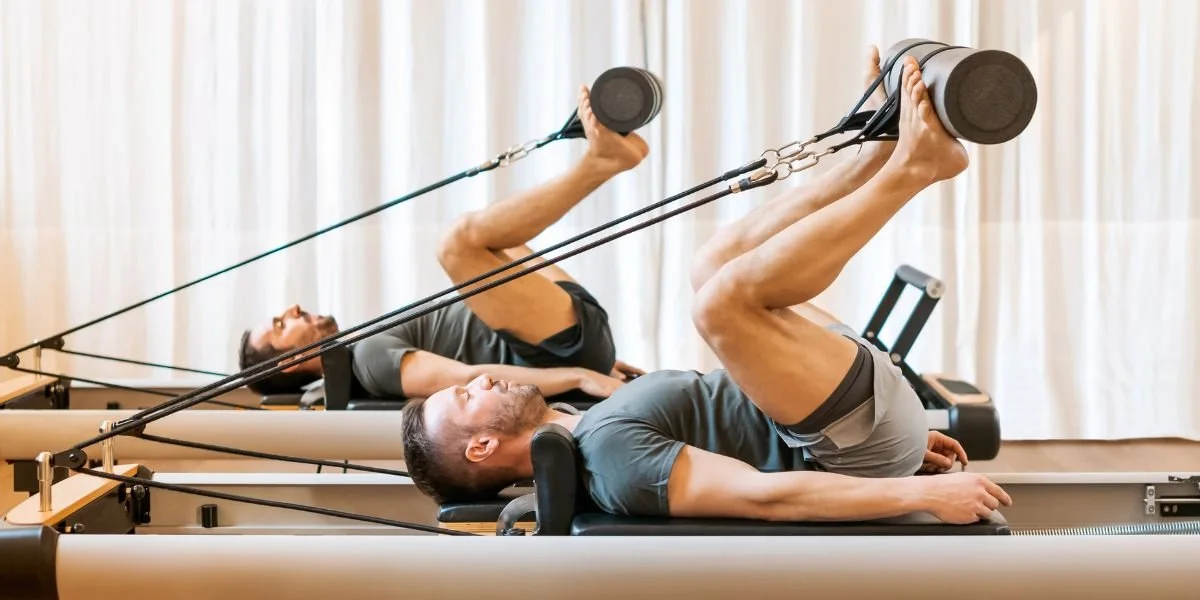
Two people can show what looks like the same limitation and still need very different training. That is why limited range of motion is more useful as a starting point than a diagnosis. The next question is what is actually limiting the movement.
One person may have plenty of passive range but struggle to reach or hold that position actively. In that case, adding more stretching may not change much. We would be more interested in building strength and control through the range that is already available.
Another person may feel genuinely restricted before they reach the position they are working toward. That can call for more mobility work, gradual exposure, and then strength as the new range becomes available. The exercise may need less resistance, more support, or a smaller starting range so the person can work there successfully.
Someone else may move through a large range very easily but lose stability as they get farther into it. For that person, chasing more motion may be unnecessary. Training may focus instead on controlling what is already there. This is where individualized coaching matters most, because exercise selection, assistance, resistance, tempo, and progression can all change depending on what the movement is showing us.
Closing Thoughts: Let Strength Support the Range You’re Building
If stretching has stopped changing the way you move, doing more of the same may not be the most useful next step. Improving range of motion can also mean building enough strength, coordination, and confidence to work successfully in positions that once felt difficult or unfamiliar.
More range is not automatically better. The goal is to have enough movement for what your body needs to do and enough control to use it well. Good training should give you more options in how you move, not pressure you toward the deepest version of every exercise simply because you can get there.
Frequently Asked Questions
-
There is no universal timeline for increasing range of motion. Progress depends on what is limiting the movement, how consistently it is trained, your current strength and mobility, and your training history.
Pain, injury, or other physical restrictions can change the process as well. In most cases, it is more useful to look for gradual changes across repeated sessions than expect one specific deadline.
-
Yes, stretching can increase range of motion by helping you tolerate or access a greater position. That does not necessarily mean you can actively control or produce force throughout all of that new range. Strength and movement practice may still be needed to make it useful.
-
Yes. Appropriately programmed resistance training can improve range of motion when exercises are performed through a suitable range. How much range is trained, how the movement is loaded, and whether you can control the position all matter. Strength work is most useful here when the range progresses alongside your ability to manage it.
