
Before You Buy Pilates Equipment for Home Use, Read This Guide
Home Pilates equipment has become its own kind of rabbit hole. You start looking for one useful prop. Suddenly, you are comparing reformers, towers, spring systems, and accessories you never knew existed. Some of those purchases can genuinely improve your training. Others are very good at making a spare room look ambitious.
Choosing the right Pilates equipment for home setups starts with what you'll actually use regularly. I care about how something feels and whether it can progress with you. It also needs to support the work you genuinely want to do. This guide is meant to help you make that call before the boxes start arriving.
Start With Your Goals, Not the Equipment
It is surprisingly easy to spend a lot of money on a home Pilates setup before knowing what will actually be useful. You can find compact reformers, studio-style machines, and enough props to fill an entire room. Some are worth the investment. Others look impressive but will not add much to the way you train.
When clients ask us what equipment to buy for home, we don’t just send them off with a pricey shopping list. We first ask what they want the equipment to help them accomplish. More movement between sessions calls for a different setup than progressive strength or athletic conditioning. Maintaining an established reformer practice brings another set of needs. Returning from an injury may also require more guidance before choosing equipment.
Once the goal is clear, we can determine which resistance, support, adjustments, and progression options actually matter. That is how we separate a worthwhile purchase from equipment that will only take up space.
What Pilates Equipment Do You Actually Need at Home?
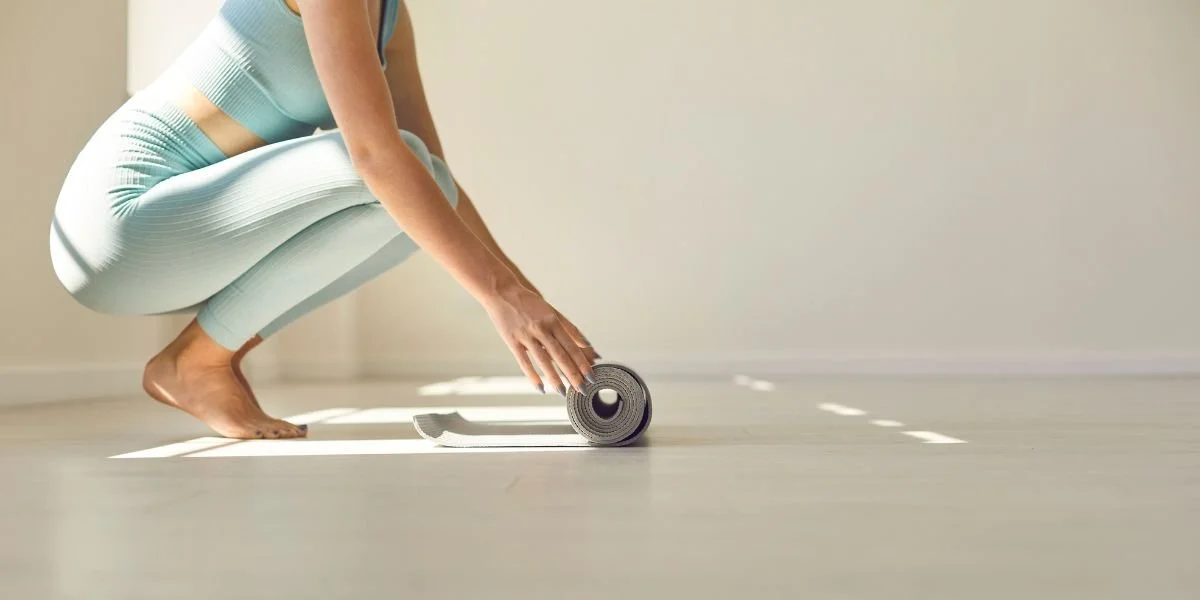
Once you know what you want your home practice to accomplish, the equipment question becomes much easier. You do not need to recreate a Pilates studio in your living room. You need enough support, resistance, and variety for the kind of work you will actually do.
When a Mat and a Few Props May Be Enough
If you want to do Pilates at home for general movement, mobility, and strength, a mat and a few well-chosen props can go a long way, as supported by clinical research on Pilates core stability and flexibility. A band adds resistance without requiring much room. A small ball can support your positioning, provide useful feedback, or add instability when appropriate. Light weights allow you to layer strength into familiar mat exercises without turning the room into a gym.
The important part is knowing why each prop is there. A simple setup paired with clear programming can give you plenty of room to progress. More equipment will not improve the workout if you are unsure how to use it.
When Is a Home Reformer Worth the Investment?
A home reformer can be a great investment when you already enjoy reformer work and plan to use it consistently. It provides spring resistance, more support, and movement options that a mat setup cannot reproduce.
However (and we can’t stress this enough), owning the machine doesn'tgive you the programming. You still need to understand spring choices, equipment adjustments, and how to progress beyond the exercises you already know.
The practical questions matter too. Do you have enough room to use the reformer comfortably, not simply store it? Does the model adjust to your body and give you somewhere to progress? Can you replace springs, ropes, or other parts as they wear?
Ultimately, a reformer should support a practice you are ready to build. It should not carry the full responsibility for motivating you to begin.
Why Less Equipment Can Be More Useful
When we see clients successfully build a home routine that lasts, it usually starts with equipment they understand and can use confidently. Each piece has a clear job, and the setup is simple enough to return to without much preparation. A mat and a few useful props can support serious progression, just as one well-chosen reformer can.
At the end of the day, more equipment becomes valuable only when it adds something the existing routine cannot.
Why Reformer Quality Changes the Movement Experience
One reason I am particular about reformer quality is that the differences show up immediately in the movement. Two machines can look nearly identical online and feel completely different once you get on them. The carriage, springs, frame, and adjustment system all affect how much attention you can give to the exercise itself.
On a well-built reformer, resistance builds and releases predictably, aligning with studies on spring resistance and muscle activation that show how uniform load curves affect movement control. That consistency lets you focus on control instead of compensating for a sudden pull or uneven return. The carriage should travel smoothly, while the frame remains steady as the load changes. If the machine catches, shifts, or rattles, even familiar work can feel less controlled.
When I recommend proper Pilates equipment, I mean these differences. Established names such as Balanced Body and Merrithew/STOTT provide a useful quality reference. And to be clear, that doesn't mean every lower-priced reformer is a bad purchase.
It simply means that you should always examine its springs, customization, construction, and parts support carefully before buying.
What to Look for Before Buying Home Pilates Equipment
Once you know which quality differences affect the workout, product descriptions become easier to read critically. Before I would recommend a reformer, I would want clear answers about fit, progression, maintenance, and support. Those details matter more than a long feature list.
Adjustability Matters More Than It Seems
A reformer needs to adjust to the person and the exercise. It shouldn't force everyone into the same setup. Pay attention to:
Spring options: Do they provide enough range to gradually increase or reduce resistance?
Footbar positions: Can you create comfortable starting positions for different exercises?
Strap or rope length: Can it be adjusted easily and evenly?
Carriage dimensions: Is there enough room to move without feeling crowded?
Headrest and shoulder blocks: Do they provide stable support without forcing an awkward position?
More settings do not automatically make better equipment. Each adjustment should feel stable, intuitive, and simple enough to use regularly. In our private sessions, a small change in spring tension or strap length can completely change how someone organizes an exercise.
Consider Support, Replacement Parts, and Longevity
Reformers contain moving parts that will eventually wear with regular use. Before buying, check:
Are replacement springs, ropes, wheels, and other essential parts readily available?
Can you replace common parts without specialized service?
Does the manufacturer provide useful support for maintenance and compatibility questions?
What does the warranty cover, and which parts does it exclude?
Is the machine built for the frequency with which you expect to use it?
A lower-priced machine can lose much of its upfront appeal if one worn part leaves the reformer unusable. Repairability, dependable support, and access to replacement parts all contribute to its long-term value.
Why Buying on Price Alone Can Create the Wrong Setup
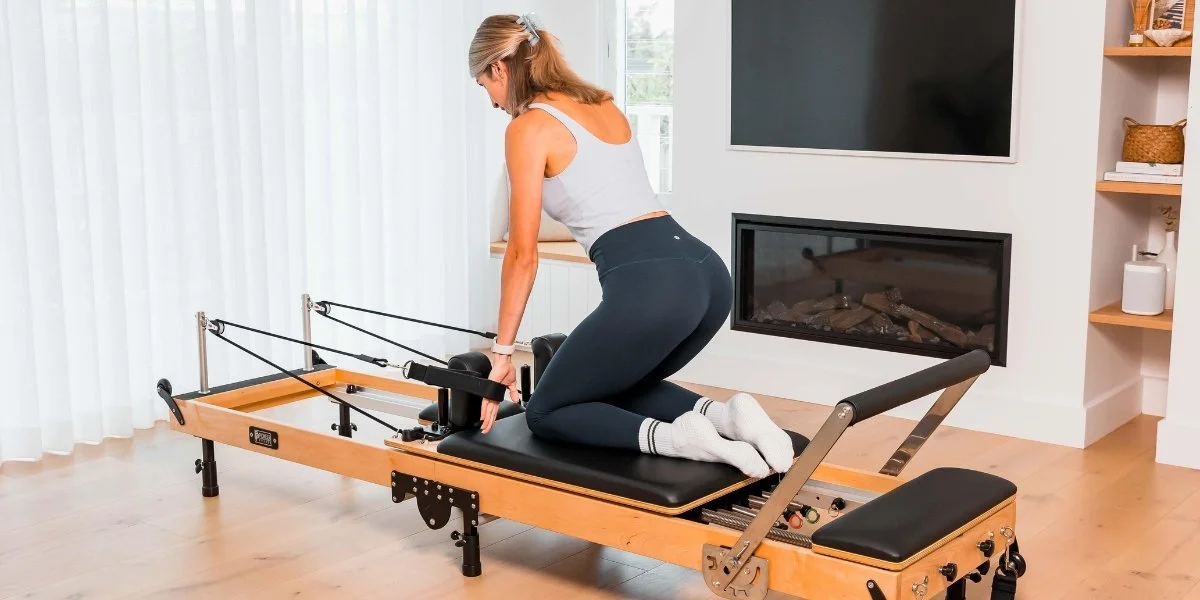
Price is easy to compare because it gives you a single, clear number. Value is more complicated. A less expensive reformer can be a completely sensible choice when it fits your body, routine, and expectations. The problem begins when price becomes the only reason for buying it.
A low initial cost can lose its appeal if the springs feel inconsistent, the frame limits the work, or replacement parts are difficult to find. You may spend more correcting those limitations or replace the machine sooner than expected. That is the false economy I would avoid. The concern is not that affordable equipment cannot work. It is that the savings may come from the exact features you will rely on most.
The reverse is also true. An expensive reformer is still the wrong purchase if it exceeds your needs or you rarely use it. I would compare the cost with how often you expect to train, how the machine supports your goals, and whether it can grow with your practice. The right price is the one attached to equipment that will keep doing its job.
Trying Professional Equipment Before Buying Your Own
Trying a professional reformer gives you a reference point that online research cannot. In a private session, we can adjust the springs, straps, footbar, and positioning around your body. You can feel how the equipment supports each exercise and how the setup changes as the work progresses. That experience makes product claims easier to evaluate and helps you identify what matters for your goals.
If you’re considering purchasing a home reformer, an introductory private Pilates session in our studios can provide that context before you invest.
Closing Thoughts: Home Pilates Works Best When the Equipment Fits the Plan
Buying Pilates equipment for your home can look like a shopping decision, but it is really a training decision. The equipment is only one part of the practice. Programming, familiarity, consistency, and progression determine whether that equipment becomes useful. A reformer should help you work with more purpose and control over time. An expensive machine and a simple prop become valuable in the same way: through purposeful use.
That is how I decide whether something is worth the money. It should make the workout more focused, useful, or sustainable. If you cannot explain what a purchase will add to your practice, waiting may be the smarter choice. Try the equipment, notice how your body responds, and invest once you have a clear reason. And if you need that reference point, a private session lets you experience those differences hands-on before committing to bringing anything home.
Get Started Today
Transform your fitness with Private 1x1 Pilates in NYC. At The Pilates Circuit, we deliver personalized one-on-one training designed around your body, your goals, and your progression. Whether you're improving posture, building strength, or enhancing mobility, every session is structured to drive measurable results.
Book an Intro Session to experience how targeted training can make a difference. Train with us at our Chelsea Private Pilates Studio or NoMad Private Pilates Studio.
Prefer to view your options first? Visit our Pricing page to compare private sessions, packages, and memberships before booking.
Frequently Asked Questions
-
Start with a mat and a few versatile props if your goals are mobility, strength, or consistent movement. A resistance band, small ball, or light weights can expand the work without requiring much space. A reformer makes more sense when you understand the equipment and want spring-based resistance or broader progression.
At the end of the day, we recommend choosing the setup that supports your current practice instead of buying for every future possibility.
-
No, you do not need a reformer to practice Pilates effectively at home. A reformer adds spring resistance, external support, and movement options that props cannot reproduce. It becomes worthwhile when you know how to use it, have enough space, and expect to train regularly. If those pieces are missing, a strong mat practice may serve you better.
-
Sometimes, but a low price alone cannot tell you whether a reformer offers real value. Pay close attention to spring consistency, frame stability, useful adjustments, and replacement parts availability.
Customer support and warranty coverage also matter if you plan to use the machine regularly. If possible, test the reformer before buying and compare how it feels against professional equipment.
