
Why Are My Hamstrings So Tight? (Common Causes & What Helps)
If you keep wondering why your hamstrings are so tight, you have probably tried stretching them more. Maybe you can reach farther afterward, only to feel equally restricted the next morning. Frustrating, yes, but that pattern gives us useful information.
Hamstring tightness can involve how your pelvis moves, where your spine compensates, and how well you control the range. Sometimes a stretch looks impressive while your hamstrings quietly avoid most of the work. Pulling harder simply gives your body more opportunity to find another route. Once you understand where the movement is actually coming from, you can choose a much smarter approach.
Why Your Hamstrings Stay Tight Even When You Stretch
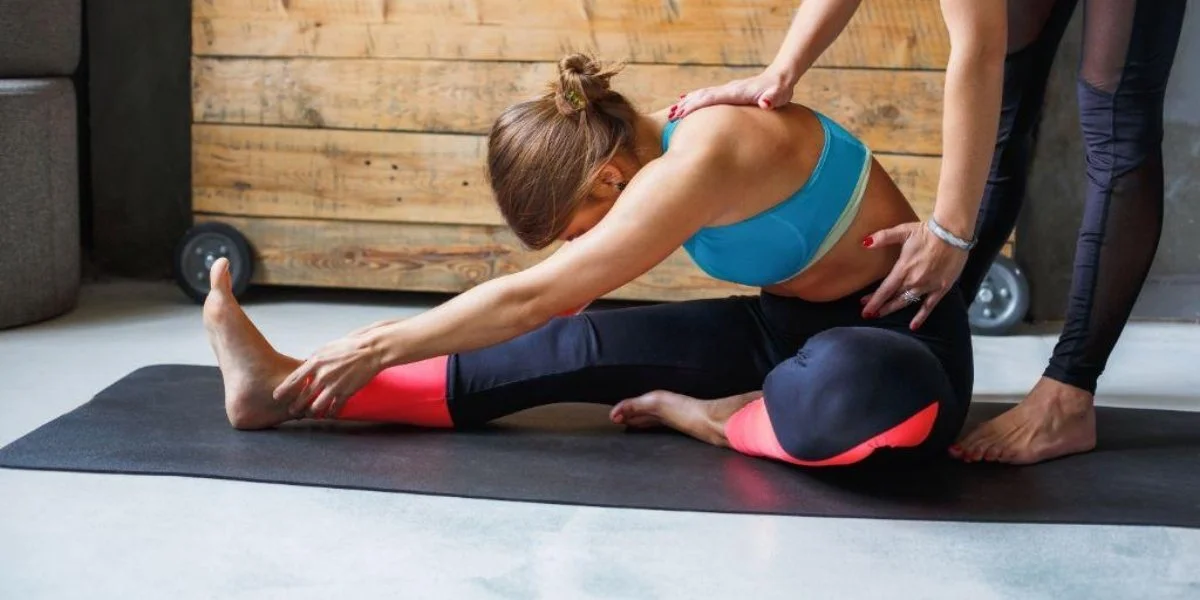
Hamstrings can keep feeling tight after weeks of stretching because mobility and flexibility are only part of the picture, along with your ability to control and support the available range. The sensation may reflect the range your body currently trusts and controls. As research on stretch tolerance shows, persistent tightness often reflects nervous system perception and sensory boundaries rather than an actual physically shortened muscle fiber. It does not confirm that the muscle has physically shortened.
Repeated habits influence which positions feel familiar and which ones feel restricted. If your daily movement stays within a limited range, a deeper hinge may feel inaccessible. A passive stretch might create temporary relief without changing how you move through that range.
Positioning also changes what receives the stretch. Rounding your back can produce more reach while the hamstrings experience very little additional length. Limited strength or control may also make your body resist a position that feels difficult to manage.
This explains why the same complaint can require different solutions. One person may need a more accurate setup. Another may need controlled mobility, strengthening, or more frequent movement throughout the week.
Are You Stretching Your Hamstrings or Just Reaching Farther?
Many people measure a hamstring stretch by how close their hands get to the floor. Reaching lower feels like clear evidence of progress. However, your hands cannot show where that additional movement occurred.
The body can create a larger shape by borrowing movement from another area:
What appears to happen: Your hands move closer to the floor.
What may actually happen: Your spine rounds while your hips barely move.
What matters more: The movement reaches your hamstrings without relying on compensation elsewhere.
A smaller stretch can be more productive when the movement stays specific and controlled. Where you feel the stretch matters more than how impressive the position looks.
Your Pelvis Sets the Direction of the Stretch
An effective hamstring stretch begins with movement at the pelvis and hip. As the pelvis tips forward, the hamstrings gradually lengthen behind the thigh. Once the pelvis stops moving, additional reach often comes fromlumbar-pelvic movement compensation, where the lower back rounds to create the illusion of a deeper stretch without lengthening the hamstrings.
You can see this when someone reaches several inches lower without changing the position of their hips. The shape looks deeper, but the intended stretch has barely changed. The lower back simply contributed more movement.
I would rather see a client stop higher and feel the stretch clearly behind the thigh. That smaller range gives us something useful to work with. The location and quality of the movement matter more than reaching an arbitrary endpoint.
A Bent Knee Can Make the Stretch More Honest
Keeping the knees completely straight can make it harder to move from the pelvis. The body may respond by tucking the pelvis and rounding the back. A slight knee bend can provide enough freedom to organize the movement properly.
From there, you can tip the pelvis forward and lengthen through the spine. The stretch may become more specific even though your hands remain farther from the floor. That is usually a better starting point than forcing a larger shape.
A bent knee is simply an adjustment based on how your body moves today. Some people will need it, while others can maintain their position with straighter legs. The useful version is the one that keeps the movement in the intended area.
Warm Up the Muscles Before Asking Them to Lengthen
Stretching often feels different after your body has already been moving. I prefer beginning with simple, controlled movement before asking for a larger range. This gives you time to notice where you feel restricted and how your body responds.
A useful progression is:
Move through a comfortable range without forcing depth.
Gradually make the movement larger while maintaining control.
Add a focused stretch once your body feels prepared.
Preparation often makes the stretch more comfortable and easier to organize. It also provides useful feedback before you decide how much range to explore.
Tight Hamstrings May Need Strength, Not More Force
If pulling harder solved persistent hamstring tightness, repeated stretching would produce lasting change. Many people get temporary relief, then feel the same restriction later that day. That pattern suggests their program needs more than additional force.
Useful mobility includes enough strength to enter, maintain, and leave a range with control. You may reach a position passively yet struggle to create the same movement yourself. When a range feels unsupported, muscle imbalances or limited control may affect how freely you use it.
Why We Alternate Movement and Stretching
We often alternate movement and stretching because each provides different information. Controlled range of motion exercises can reveal how much movement you can actively organize and control. A focused stretch then allows you to explore slightly beyond that working range.
Returning to movement shows whether the new range feels smoother, easier, or more available. That return reveals whether the stretch improved usable movement or only changed the sensation. Keep the range manageable enough to maintain your breathing, alignment, and control.
Progress may look smaller, but it becomes easier to repeat.
Strength Helps You Use the Range You Gain
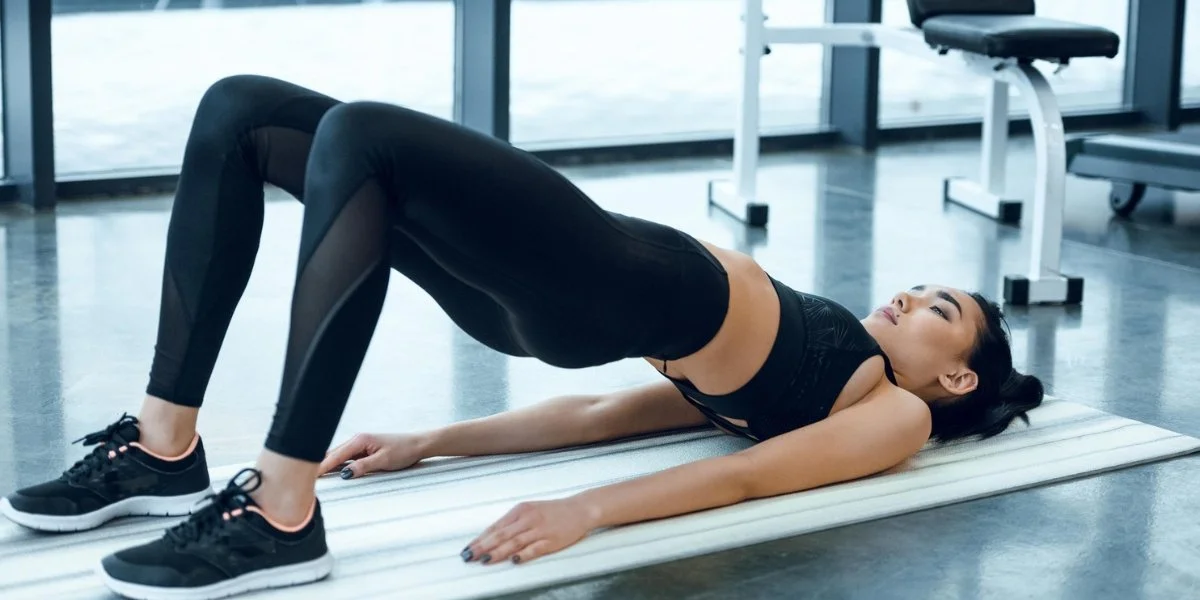
Strengthening helps your body support the range explored during mobility work. A glute bridge, for example, trains your hips and hamstrings to work together around the pelvis. Controlled hip movement matters more than completing extra repetitions.
As control improves, you have more options within the available range. Stretching helps you explore movement, while strength helps you use that movement with greater control. Hamstring weakness can contribute to persistent tightness, but every person requires a different balance. The right approach depends on what your body can currently reach, support, and repeat.
Consistency Changes More Than One Aggressive Stretch
Mobility usually changes through regular, well-organized practice. One intense stretch may create more range briefly, but that range has limited value without control. Your body needs repeated opportunities to move into the position comfortably and use it well.
Technique matters during every repetition, especially as the range increases. I would rather see five controlled movements than one dramatic stretch that cannot be repeated.
Progress becomes more useful when the movement feels familiar, supported, and consistent.
Closing Thoughts: When Your Hamstrings Need a More Individual Approach
Persistent hamstring tightness tells you where you feel restricted. It does not reveal what is creating that restriction. One person may round through the spine before the pelvis begins moving. Another may have sufficient range but struggle to control it. Repeating the same stretch treats those situations as though they are identical.
These details are difficult to assess while you are also concentrating on completing the stretch. During a private session, I can watch where your movement begins and which areas take over. I can then change one variable at a time and compare your response.
A small knee bend may immediately place the movement more clearly through your hamstrings. Adjusting your pelvis may improve the stretch without increasing its depth. When positioning changes little, controlled strengthening may provide the missing support. These comparisons reveal much more than how far you can reach.
Individual instruction also lets the program change as your movement changes. We can gradually increase range, resistance, or complexity while protecting the organization you have developed. That progression helps turn temporary relief into movement you can control and reproduce. You leave with a clearer understanding of what your body needs and how to work with it.
(BONUS) Follow Along With Our Active Hamstring Series
Our Active Hamstring Series combines preparation, controlled movement, focused stretching, and strengthening in one guided sequence.
Follow along to see how positioning and pacing change the way each movement feels. The visual cues can also help you explore your range without forcing the final position.
Get Started Today
Transform your fitness with Private 1x1 Pilates in NYC. At The Pilates Circuit, we deliver personalized one-on-one training designed around your body, your goals, and your progression. Whether you're improving posture, building strength, or enhancing mobility, every session is structured to drive measurable results.
Book an Intro Session to experience how targeted training can make a difference. Train with us at our Chelsea Private Pilates Studio or NoMad Private Pilates Studio.
Prefer to view your options first? Visit our Pricing page to compare private sessions, packages, and memberships before booking.
Frequently Asked Questions
-
Stretching can provide temporary relief while leaving the reason for your tightness unchanged. Positioning, movement habits, or limited strength and control may continue restricting how the range feels. A more complete approach may include movement, technique adjustments, and strengthening.
-
Yes, hamstring weakness can contribute when your body cannot confidently support or control a range. Strengthening may make that movement feel more stable and available. However, weakness is only one possible factor, so the solution should reflect how your body moves.
-
Most people with persistent tightness benefit from combining stretching and strengthening instead of choosing only one. Stretching can help you access range, while strength helps you control and use that range. The right balance depends on your positioning, movement patterns, and current level of control.
