
The 3 Best Stretches For Desk Workers to Relieve Stiffness
Spending long hours at a desk can quietly change how your body feels and moves each day. Many people notice stiffness building without realizing how closely it connects to daily work habits. Simple, intentional movement can make a meaningful difference when done thoughtfully and consistently. This article focuses on the 3 best stretches for desk workers to relieve tiffness in a practical, approachable way.
Why Desk Work Can Leave Your Body Feeling Stiff & Sore
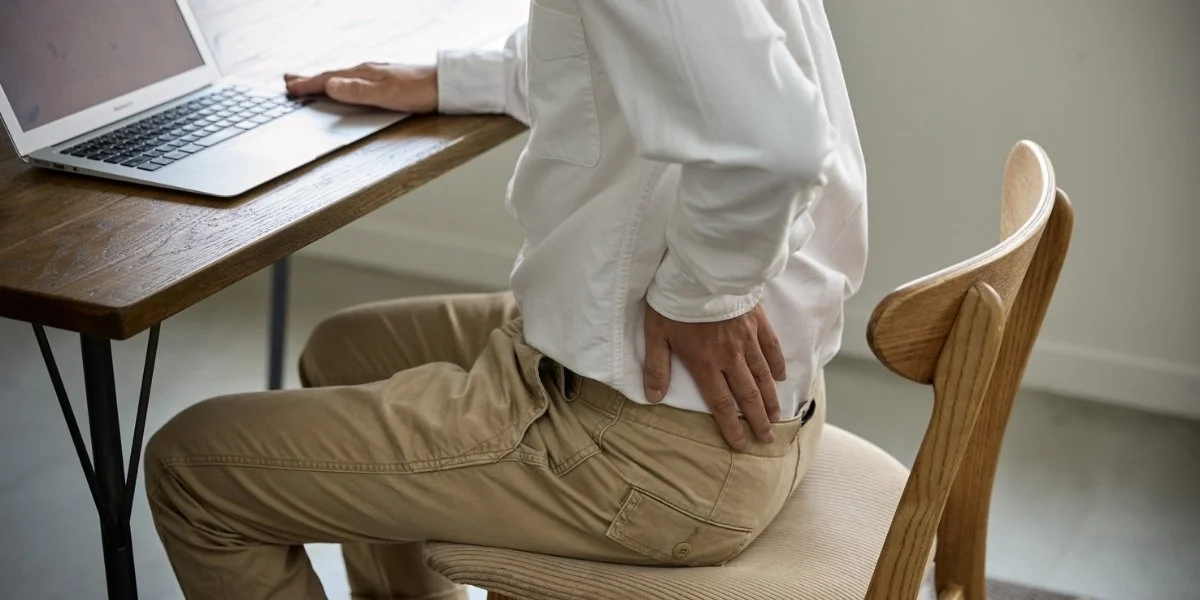
Desk work keeps the body in static positions for long stretches, limiting natural movement and circulation. Over time, this encourages muscle tightness and imbalance, especially in the spine, shoulders, hips, and neck.
Without regular movement, stiffness can gradually become part of the daily routine.
Long Periods Of Sitting And Reduced Movement
Desk work often limits natural movement patterns your body relies on for comfort and ease. Sitting for extended periods reduces circulation and encourages certain muscles to stay shortened.
For some people, prolonged sitting can also contribute to nerve irritation, lower back discomfort, and movement compensation patterns that become harder to unwind over time. More individualized Pilates support for sciatica-related back pain can help address those patterns through controlled movement, spinal support, and strength-focused progression.
Other muscles become underused, which can create imbalance and discomfort. Over time, this pattern makes stiffness feel like a normal part of the workday.
Where Desk Workers Tend To Hold Tension
Many desk workers carry tension in the neck, shoulders, hips, and lower back. These areas work harder to support posture during prolonged sitting.
Small compensations can build up without obvious warning signs. Stretching helps bring awareness back to these commonly affected areas. If that stiffness begins to include radiating pain into the hip or leg, stretches for sciatica may be more appropriate than the general stretches covered below.
The 3 Best Stretches For Desk Workers
Long hours of sitting tend to limit spinal movement and pull the body into rounded, compressed positions. The following stretches for desk workers focus on restoring rotation, opening tight areas at a desk, and easing tension from sustained posture.
These stretches are simple, controlled movements that fit easily into a workday without overcomplicating recovery.
#1) Seated Spinal Stretch For Lower Back Relief
A seated spinal stretch gently encourages movement through the spine after long periods of sitting. Sitting tall and rotating slowly supports mobility without forcing range. It helps release compression that builds in the lower back throughout the day.
Regular practice can improve how your back feels when standing up. This is why Pilates for lower back pain is effective, because it prioritizes relieving spinal compression that builds up while sitting.
#2) Shoulder And Chest Stretch To Counter Slouching
Desk posture often pulls the shoulders forward and tightens the chest muscles. Opening the chest helps restore balance across the upper body.
This stretch supports easier breathing and a more upright posture. It can reduce the heavy feeling that many people notice by the afternoon.
#3) Neck Stretch To Ease Screen-Related Tension
Screens encourage the head to drift forward over time. Gentle neck stretches help release tension from sustained visual focus. Slow, controlled movement is key for comfort and effectiveness.
This stretch can feel especially relieving after long meetings or focused work sessions.
Making Stretching Part Of A Healthier Desk Routine
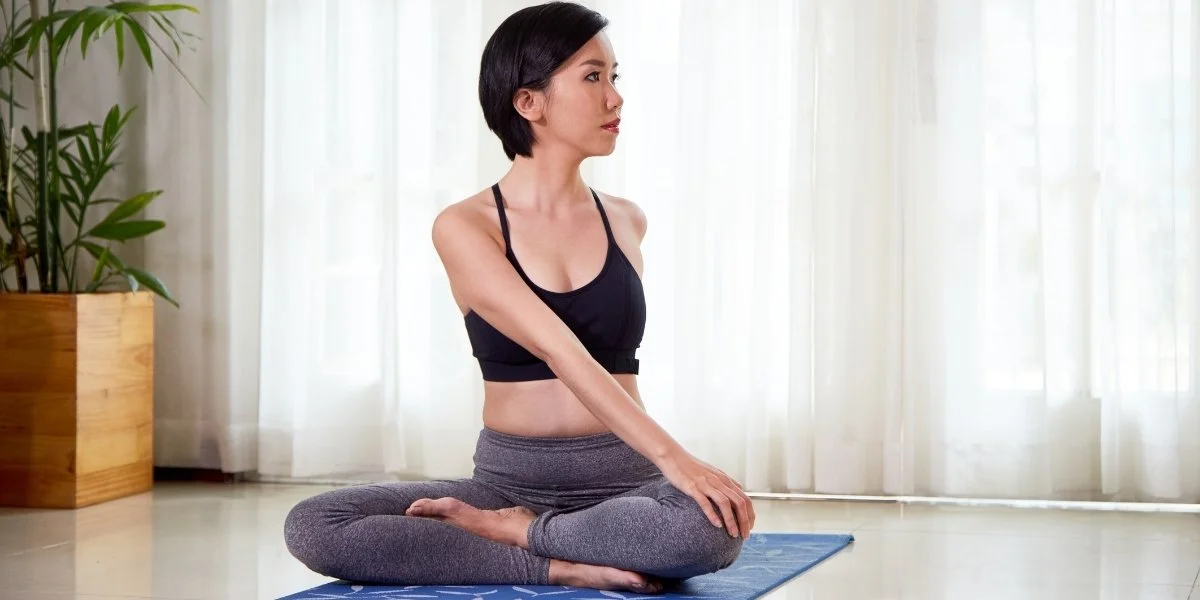
Making stretching part of a desk routine helps counter the effects of prolonged sitting and limited movement. Small, regular stretches throughout the day support circulation and reduce tension before stiffness builds.
When stretching becomes a habit rather than an afterthought, it fits naturally into the workday and supports more comfortable movement overall.
Small Habits That Reduce Daily Stiffness
Stretching works best when paired with simple daily habits. Standing briefly, changing positions, or walking between tasks helps reduce stiffness.
These small actions prevent tension from building all day. Stretching then becomes a supportive tool rather than a reactive fix.
Why Consistency Matters More Than Intensity
Short, regular stretches are more effective than occasional long sessions. Consistency keeps joints moving and muscles responsive.
Intense stretching can feel good initially, but may be harder to maintain. A steady approach fits more easily into busy schedules.
How To Use These Stretches During (& After) A Workday
These stretches can be done between tasks without disrupting workflow. They work well as quick resets during the day or gentle decompression afterward. Listening to your body helps guide how often and how deeply to stretch.
Over time, they support better awareness of posture and movement needs.
Closing Thoughts: When Stretching Alone Doesn’t Relieve Everything
Desk-related stiffness develops gradually through repeated positions, not sudden injury or isolated mistakes.
Stretching helps interrupt that pattern, but it works best when paired with better movement awareness. Paying attention to how your body feels after sitting can guide when and where to move.
Over time, small adjustments matter more than dramatic efforts. Used thoughtfully, these stretches for desk workers support comfort as part of a larger movement routine, not a temporary fix.
Get Started Today
Transform your fitness with Private 1x1 Pilates in NYC. At The Pilates Circuit, we deliver personalized one-on-one training designed around your body, your goals, and your progression. Whether you're improving posture, building strength, or enhancing mobility, every session is structured to drive measurable results.
Book an Intro Session to experience how targeted training can make a difference. Train with us at our Chelsea Private Pilates Studio or NOMAD Private Pilates Studio.
Frequently Asked Questions
-
Most desk workers benefit from stretching once every few hours. Short sessions help prevent stiffness from building too much.
Stretching does not need to be lengthy to be effective. Regular movement supports better comfort throughout the day.
-
The best stretches focus on areas most affected by prolonged sitting and screen use. Gentle spinal rotation, chest opening, and controlled neck movements help counter static desk posture.
These stretches work best when done slowly and without forcing range. Consistency and comfort matter more than intensity for lasting relief.
-
These stretches are designed to be gentle and accessible in a work setting. They do not require equipment or large movements. Paying attention to comfort is always important.
Movements should feel relieving rather than forced.
-
Pilates-based stretches emphasize control, alignment, and awareness. They support balanced movement rather than isolated flexibility. Many desk workers find this approach especially helpful for long-term comfort. It integrates stretching with strength and coordination naturally.
