
What Is Active Recovery & What Are Its Benefits?
Recovery often gets misunderstood as complete inactivity when your body actually benefits from gentle, intentional movement. The contrast between collapsing on the couch and moving thoughtfully makes a significant difference in how you feel. Many people swing between intense training and total rest without exploring the middle ground that supports optimal recovery. Active recovery fills this gap by keeping your body engaged without creating additional fatigue or stress on tissues.
But what is active recovery, and what are its benefits, really? Rather than resting or pushing through fatigue, active recovery uses gentle, intentional movement to support circulation, reinforce healthy movement patterns, and help your body recover more efficiently, so you feel stronger and more energized throughout the week.
How Recovery Days Shape The Way Your Body Feels All Week
Your recovery strategy directly impacts whether you feel energized or depleted as the week progresses through training cycles.
Poor recovery leads to accumulated fatigue that makes each workout feel harder than it should and diminishes your performance. Quality recovery allows your body to adapt to training stress, which is where actual strength and fitness gains occur.
The days between hard workouts matter as much as the workouts themselves for achieving sustained progress over time. How you spend recovery time determines whether you're truly preparing for your next session or just getting by.
Active recovery creates positive momentum rather than the sluggishness that complete inactivity often produces in active people.
This distinction separates people who improve consistently from those who plateau despite working hard during actual training sessions.
The Difference You Notice When Rest Isn’t Completely Still
Complete stillness on rest days often leaves active people feeling stiff, sluggish, and mentally restless by day's end.
Gentle movement maintains circulation that helps clear metabolic waste products from muscles worked during previous training sessions. Your joints benefit from movement that lubricates and nourishes cartilage rather than remaining static for extended periods throughout the day.
Mental clarity improves when you incorporate light physical activity rather than spending entire rest days sedentary and disconnected. Active recovery prevents the dramatic energy drop that happens when you go from intense training to sudden complete inactivity.
You'll notice improved mood, better sleep quality, and reduced muscle soreness compared to days spent entirely inactive.
This awareness helps you recognize that recovery is an active process requiring participation rather than just the absence of training.
What Is Active Recovery?
Active recovery involves low-intensity movement that promotes healing without causing additional fatigue or tissue breakdown.
The activity level stays comfortable enough that you could maintain it for extended periods without breathing heavily. Your heart rate remains elevated slightly above resting but well below the intensity of actual training sessions.
The purpose is to support your body's natural recovery processes through movement rather than pursuing fitness gains or performance improvements. Activities might include walking, gentle swimming, easy cycling, or movement practices like Pilates for recovery performed at reduced intensity throughout the session.
Remember, active recovery is a shift from challenging your body to supporting it through the adaptation process that creates lasting improvements.
Embracing Gentle Movement That Helps Your Muscles Settle Without Shutting Down
Active recovery keeps your muscles engaged enough to maintain blood flow without creating the microtrauma that training sessions produce.
The gentle contractions help pump fluid through tissues, delivering nutrients and removing waste products that accumulate during hard workouts. Your nervous system remains connected to movement patterns rather than completely disengaging during extended periods of total inactivity.
This approach prevents the stiffness that develops when muscles remain static for too long after intense exercise. You maintain body awareness and movement quality that might deteriorate during days of complete rest without any physical engagement.
The practice teaches you to move at different intensities rather than only knowing full effort or complete stillness.
This skill of modulating intensity becomes valuable for long-term training sustainability and injury prevention throughout your fitness journey.
What Active Recovery Looks Like In Your Routine
Active recovery days might include a 20 to 30-minute walk at a conversational pace in your neighborhood or local park. These are some of the best active recovery workouts to add to your routine, as they ensure movement supports tissue healing and reduces post-training soreness.
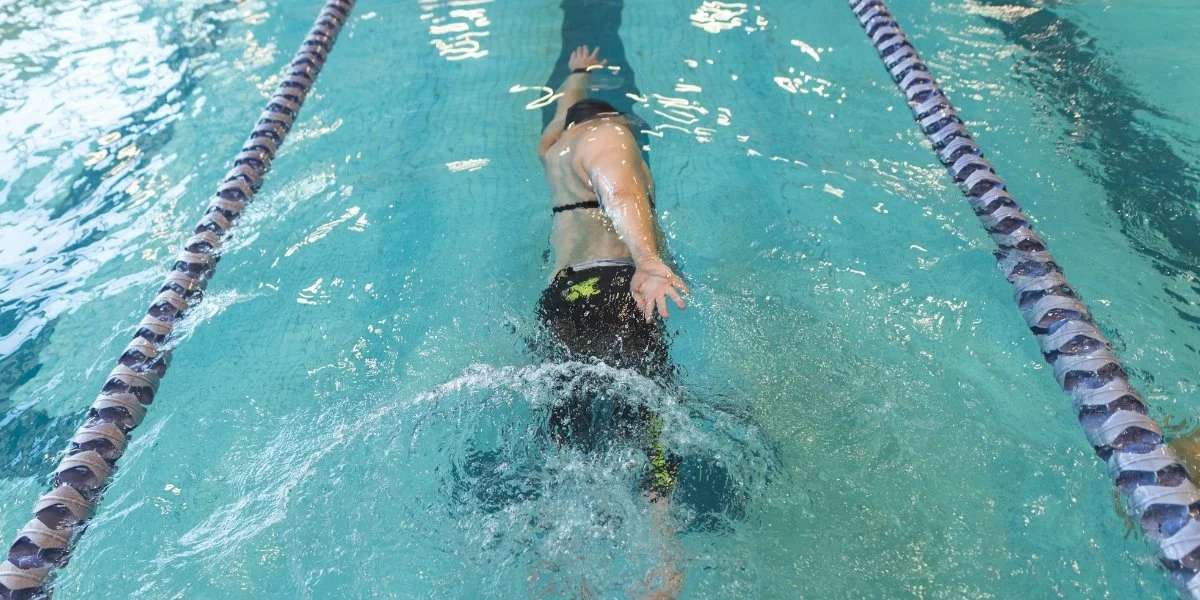
A gentle swim focusing on easy laps without pushing pace or intensity serves the same recovery-promoting purpose effectively. Light yoga or Pilates sessions performed at reduced intensity maintain movement patterns while supporting tissue recovery and mental reset.
The key is keeping intensity low enough that you finish feeling refreshed rather than fatigued or depleted. Your breathing should remain easy throughout, never reaching the breathless state that indicates you're working too hard.
Schedule these sessions on days between intense workouts rather than adding them on top of full training days.
The timing matters as much as the activity choice for maximizing recovery benefits rather than creating additional stress.
Active Recovery Options That Support Comfort And Consistency
The best active recovery activities are ones you genuinely enjoy and can perform consistently without needing special equipment or facilities.
Walking requires nothing beyond comfortable shoes and becomes meditative when you focus on breath and natural surroundings.
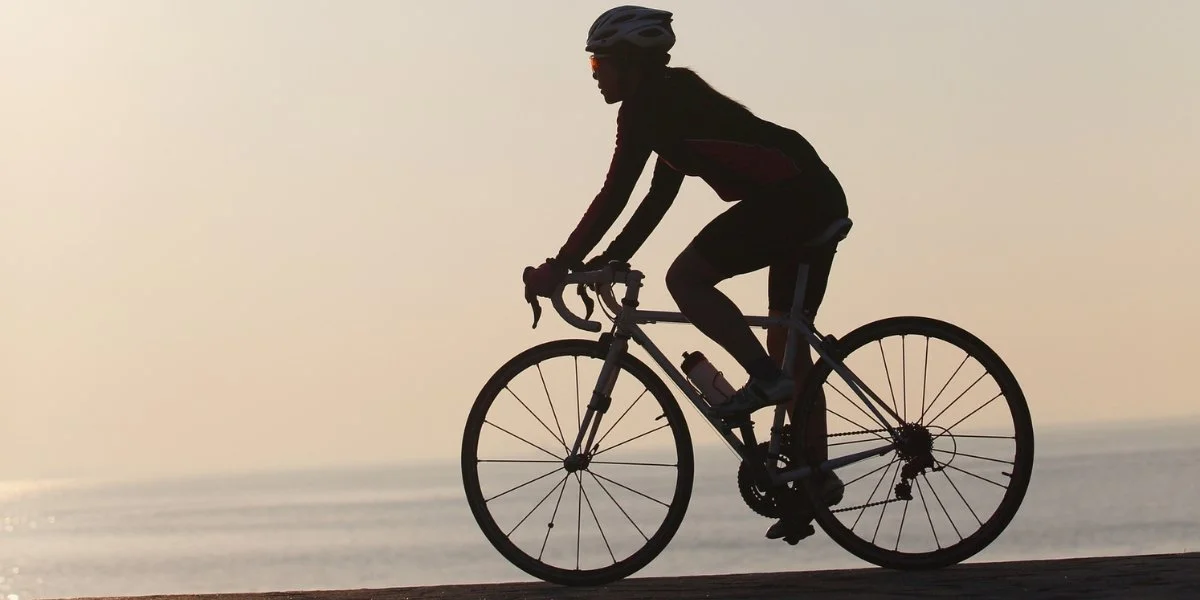
Swimming provides full-body movement in a weightless environment that reduces joint stress while promoting circulation throughout your system. Cycling at an easy pace offers cardiovascular benefits without the impact that running creates on tired legs and connective tissues.
Gentle Pilates or yoga maintains your movement practice while focusing on breath, control, and body awareness rather than intensity.
Choose activities that feel restorative rather than depleting, which might vary depending on what you did during previous training.
The variety prevents boredom while ensuring you're addressing your body's specific recovery needs on any given day.
#1) Light Cardio That Keeps Circulation Moving Without Strain
Easy cardiovascular activity increases blood flow throughout your body, delivering oxygen and nutrients to recovering tissues efficiently. The elevated circulation helps remove metabolic waste products like lactic acid that contribute to post-workout soreness and stiffness. Your heart rate stays in a comfortable zone that supports recovery rather than creating additional cardiovascular stress or fatigue. Walking, easy cycling, or gentle swimming all provide these benefits without the impact or intensity of actual training. The movement lubricates joints and maintains the suppleness that extended inactivity can compromise in active bodies needing regular stimulus. This type of light cardio prevents the energy crash that complete rest sometimes creates in people accustomed to daily movement.
#2) Mobility Patterns That Reset Tight Areas After Hard Workouts
Focused mobility work addresses the specific areas that tighten after your particular training style and movement patterns you regularly perform.
Hip circles, shoulder rotations, and spinal articulation restore range of motion that intense training temporarily reduces through muscle tension.
These patterns don't push your flexibility limits but rather maintain the ranges you already have without forcing new territory. The gentle movement helps redistribute fluid in tissues that become compressed or restricted during intense exercise and strength training.
Mobility work also provides mental benefits by reconnecting you with how your body feels beyond just pushing through workouts.
This awareness helps you identify developing issues before they become injuries requiring extended time away from training altogether.
#3) Easy Strength Work That Maintains Range Without Fatigue
Light resistance work at significantly reduced intensity maintains neuromuscular connections without creating the fatigue that actual strength training produces.
Using body weight or very light resistance keeps your movement patterns active while allowing tissues to recover from heavier loads.
The focus shifts to control, precision, and full range of motion rather than maximum effort or progressive overload.
Pilates naturally fits this recovery role through its emphasis on quality movement and core engagement without heavy external resistance.
These sessions remind your body how to move well rather than just how to move hard or intensely. The practice prevents the detraining effect that complete rest can create while still supporting the recovery your body needs.
What Makes Active Recovery Different From Passive Rest
The fundamental difference lies in whether you're supporting your body's recovery processes through intentional movement or simply waiting them out.
Active recovery accelerates healing by maintaining circulation that delivers nutrients and removes waste products from worked tissues more efficiently. Your nervous system stays engaged with movement patterns rather than going dormant during extended periods of complete physical inactivity.
Mental benefits differ significantly, with active recovery providing mood elevation and reduced restlessness compared to full rest days. Passive rest certainly has its place, especially after extremely intense training or when genuinely sick or injured beyond normal fatigue.
Understanding the real purpose of active recovery helps you choose the appropriate approach for your specific situation.
Most people benefit from incorporating more active recovery rather than defaulting to complete stillness whenever they're not training hard.
The Long-Term Benefits Of Staying Gently Engaged On Off Days
Consistent active recovery practice teaches your body to operate across a wider intensity spectrum rather than just hard and off. This skill improves your ability to manage training load and prevents the boom-bust cycle that leads to injury.
Your overall training volume increases sustainably when recovery days support rather than interrupt your movement practice and routine. The reduced soreness and improved energy levels mean you approach hard training sessions fresher and more capable of quality work.
Over months and years, this approach extends your training lifespan by preventing burnout and overuse injuries that sideline many athletes. You develop better body awareness that helps you distinguish between normal training fatigue and signals requiring actual rest.
These benefits compound over time, creating the foundation for sustainable lifelong fitness rather than short-term unsustainable intensity.
Slow, Supportive Patterns That Help Your Body Reset Between Sessions
Gentle movement patterns performed mindfully create space for your nervous system to downregulate after intense training stress and stimulus.
The slower pace allows attention to detail in alignment and breathing that high-intensity work often sacrifices for output. Your body learns to move efficiently at lower intensities, which actually improves your ability to maintain form during harder efforts.
The practice feels meditative and grounding, providing mental recovery that's as important as physical tissue healing for sustained performance.
Private Pilates sessions at The Pilates Circuit exemplify this approach through personalized programming that adapts to your recovery needs. Our instructors read your energy and adjust intensity to support rather than challenge on days when recovery matters most.
This type of intelligent programming separates effective training from just accumulating fatigue without strategic recovery built into the plan.
Closing Thoughts: Letting Recovery Become Part Of Your Training Rhythm
Viewing recovery as an active component of training rather than just the absence of work transforms your entire approach to fitness.
The days between hard sessions become opportunities to support your body's adaptation rather than just waiting for permission to train again. Understanding active recovery and what are its benefits helps you structure your week for optimal results and sustainability.
Your body responds better to training when recovery receives the same attention and intention as the workouts themselves. This mindset shift moves you from simply accumulating workouts to actually training intelligently with purpose and strategy throughout each week.
Active recovery becomes something you value rather than seeing rest days as frustrating interruptions to your training schedule.
The result is better performance, fewer injuries, and sustainable progress that continues for years rather than burning out quickly.
Get Started Today
Transform your fitness with Private 1x1 Pilates in NYC. At The Pilates Circuit, we deliver personalized one-on-one training designed around your body, your goals, and your progression. Whether you're improving posture, building strength, or enhancing mobility, every session is structured to drive measurable results.
Book an Intro Session to experience how targeted training can make a difference. Train with us at our Chelsea Private Pilates Studio or NOMAD Private Pilates Studio.
Frequently Asked Questions
Is Active Recovery Better Than Complete Rest?
For most people, active recovery is better than complete rest because gentle movement maintains circulation and reduces stiffness. Complete rest is still appropriate after extremely intense training, illness, or pain beyond normal soreness.
The best choice depends on how your body feels, not rigid rules.
What Are The Best Active Recovery Activities For Soreness?
The best active recovery activities for soreness include walking, swimming, gentle Pilates, and easy cycling. These movements increase circulation without adding stress to already fatigued muscles.
Choose activities that feel restorative rather than challenging.
How Often Should You Schedule Active Recovery Days?
Most people benefit from one to two active recovery days per week when training three to five days weekly. The exact frequency depends on training intensity, experience level, and recovery capacity.
Ongoing fatigue or soreness signals the need for more recovery.
