
How to Improve Coordination with Strength-Based Training
Coordination isn’t just about moving your body - it’s about moving it efficiently, safely, and with control. Strength-based training is one of the most effective ways to improve coordination because it challenges your muscles and nervous system to work together precisely.
By focusing on control, stability, and proper alignment, you can make even simple exercises more purposeful. Over time, this not only enhances your workouts but also carries over into everyday movements, helping you lift, reach, and balance with confidence.
In this guide, you’ll learn practical strategies and exercises designed to strengthen control, reinforce stability, and improve overall movement quality.
Coordination In Training Is About Control, Not Just Movement
When I think about coordination in training, I focus on control rather than just completing a movement. It is not enough to go through the motions if the body is not organized and stable. I look at how smoothly and efficiently each exercise is performed.
When control improves, movements begin to feel more natural and consistent. This approach helps reduce unnecessary strain and supports better long-term progress.
How Your Body Organizes Movement Under Load
When I train under load, I pay attention to how my body organizes each movement. The nervous system plays a key role in coordinating muscles to work together at the right time. If one area is not contributing properly, another part of the body will compensate.
At The Pilates Circuit, we focus on maintaining alignment and control as resistance increases. Over time, this helps build more efficient movement patterns. It also allows heavier or more complex exercises to feel more manageable.
Why Two People Can Do The Same Exercise But Move Completely Differently
We often notice that two people can perform the same exercise but move very differently. One may look controlled and stable, while the other struggles with balance or form. These differences usually come from coordination, not just strength.
I tend to focus on how the movement feels rather than comparing it to someone else. Improving coordination helps each person move in a way that suits their body.
This makes training safer and more effective.
What Does Coordination Have To Do With Exercise?
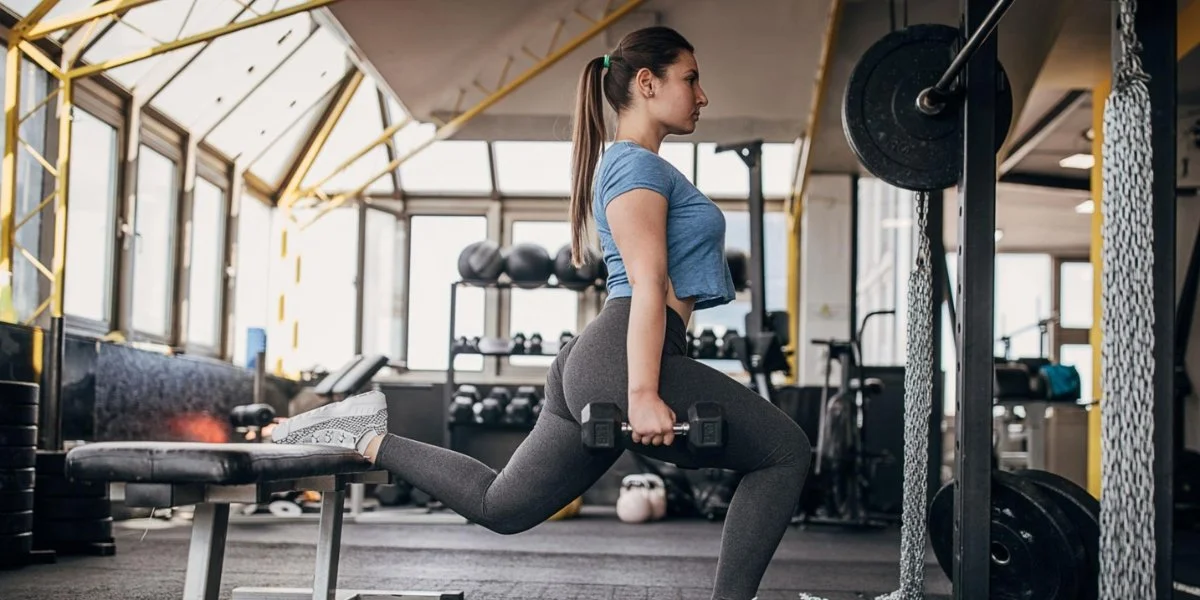
Coordination is a key part of how I approach every exercise. It combines strength, stability, mobility, and flexibility, and control into a single movement pattern. Without coordination, even strong muscles cannot work together efficiently.
I focus on developing control so that each exercise feels smooth and intentional. This makes training more effective and easier to build on over time.
Strength Training Requires Control Across Multiple Joints
When I perform strength exercises, I am aware that multiple joints are working together. Each joint needs to move in a coordinated way to maintain proper form. If one area loses control, the entire movement can break down.
I focus on keeping each part of the body aligned throughout the exercise. This helps ensure that the intended muscles are doing the work.
Over time, this improves both strength and movement quality.
As Load Increases, So Does The Demand For Precision & Control
As I increase the load, I notice that the need for precision becomes much greater. Small errors in movement become more noticeable under heavier resistance. I focus on maintaining control before adding more weight.
This helps reinforce proper movement patterns and reduce risk. Building coordination alongside strength allows for safer progression. It also makes each increase in load feel more controlled.
Utilizing Strength Training as a Way to Improve Coordination
I use strength training as a tool to improve coordination, not just build muscle. Each exercise becomes an opportunity to refine control and awareness. I focus on how the movement is performed, rather than just completing repetitions.
This approach helps my body learn more efficient patterns over time. It also reduces compensations that can develop with poor control. Strength training becomes more effective when coordination is part of the focus.
How To Improve Coordination Through Strength Training
#1) Train One Side At A Time To Build Control
I often train one side at a time to improve control and balance. This really helps me identify any differences between sides. It also forces each side of the body to work independently.
Over time, this builds more balanced strength and coordination. I find that single-sided work improves stability in other exercises as well.
#2) Slow Down Your Reps To Improve Precision
Slowing down my repetitions helps me focus on precision and control. It removes momentum and forces each muscle to work intentionally.
I pay attention to alignment and how each part of the movement feels. This approach builds better awareness and coordination. It also makes each repetition more effective.
#3) Use Tempo To Reinforce Consistent Movement
I use tempo to create consistency in how I move through each exercise. Controlling the speed of each phase helps reinforce proper technique.
It also highlights any weak points in the movement. I focus on maintaining the same rhythm throughout each repetition. This improves both coordination and control over time.
#4) Add Load Only When Control Is Maintained
I only increase the load when I can maintain full control of the movement. Adding weight too quickly often leads to poor form and compensation. I focus on quality first, then gradually increase difficulty.
This approach helps build coordination alongside strength. It also supports safer and more consistent progress.
#5) Progress Movements That Challenge Stability
I include movements that challenge my stability to improve coordination. These exercises require more focus and control to perform well.
I pay attention to balance and alignment throughout each repetition. Over time, this builds stronger stabilizing muscles. It also improves overall movement quality in other exercises.
How To Know When You Are Seeing Positive Results
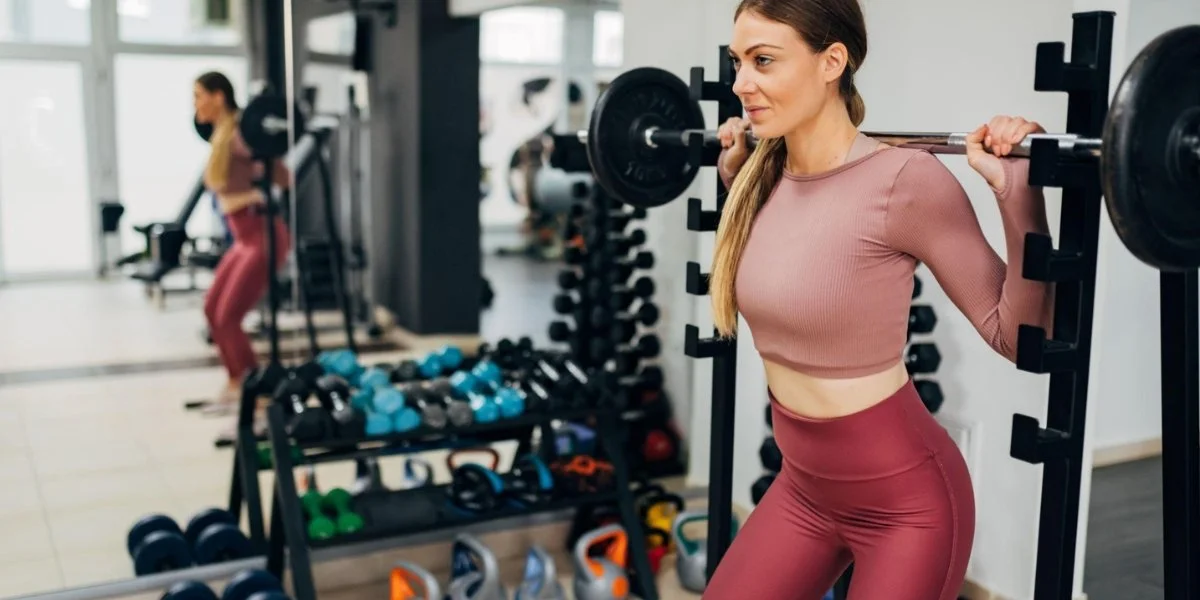
Movements Feel More Controlled And Consistent
One of the first signs I notice is that movements feel smoother and more controlled. Exercises that once felt unstable begin to feel more natural. I rely less on momentum and more on intentional movement.
This shows that coordination is improving. It also makes training feel more efficient.
Less Compensation Between Sides
I start to notice fewer differences between the left and right sides of my body. Movements feel more balanced and even. I am less likely to rely on one side to complete an exercise.
This improvement reflects better coordination and control. It also reduces the risk of imbalance over time.
Better Stability As Load Increases
As I increase the load, I feel more stable and in control. Movements remain consistent even as resistance becomes more challenging. I can maintain proper alignment without strain.
This shows that coordination is improving alongside strength. It also allows for more confident progression.
Closing Thoughts: Embracing Training That Improves How You Move
Developing coordinated, efficient movement is about more than raw strength; it’s about how your body organizes effort across multiple joints and muscles to perform controlled, precise actions.
Understanding how to improve coordination through strength-based training shows that combining load, timing, and motor control helps build smoother, safer, and more effective movement. In practice, this means that integrating controlled strength work into your routine enhances not just performance but also posture, injury resilience, and functional capability in everyday life.
By approaching training with this perspective, you shift from exercising in isolation to cultivating a body that responds intelligently, confidently, and efficiently under any demand.
Refining coordination is about more than just getting stronger; it’s about learning how your body moves with control, precision, and confidence.
Get Started Today
Transform your fitness with Private 1x1 Pilates in NYC. At The Pilates Circuit, we deliver personalized one-on-one training designed around your body, your goals, and your progression. Whether you're improving posture, building strength, or enhancing mobility, every session is structured to drive measurable results.
Book an Intro Session to experience how targeted training can make a difference. Train with us at our Chelsea Private Pilates Studio or NOMAD Private Pilates Studio.
Frequently Asked Questions
-
I improve coordination through strength training by focusing on control during each movement. I slow down my reps and pay attention to alignment and stability.
I also include single-sided exercises to address imbalances. Over time, this helps my body move more efficiently under load. Consistency is key when building coordination this way.
-
I have found that coordination can begin to improve within a few weeks of consistent training. Small changes often show up first in how movements feel. With regular practice, control and stability continue to build.
The timeline can vary depending on experience and consistency. Staying patient and focused on quality makes the biggest difference.
-
I focus on exercises that require control, balance, and stability, including range-of-motion exercises. Movements like single-leg work, slow strength training, and controlled core exercises are very effective. I also use tempo to improve precision and awareness.
These types of exercises challenge both the muscles and the nervous system. Over time, they help create smoother and more coordinated movement patterns.
