10 Posture Correction Exercises That Support Better Movement
Movement tends to feel easier when your body is properly supported. When posture begins to shift, even simple actions can feel tight or unbalanced. Over time, these patterns can affect how you move, train, and recover. That is where posture correction exercises come in, helping you build strength and awareness in the right areas.
With the right approach, you can improve alignment without forcing your body into rigid positions. A few well-chosen movements can make a noticeable difference in how you feel day to day.
Easier Movement Starts With Better Posture
Good posture plays a quiet but powerful role in how your body moves each day. When alignment is off, simple movements can start to feel restricted or uncomfortable. Over time, these patterns can limit strength and reduce overall efficiency.
Improving posture helps your body move with more ease and control. It also creates a stronger foundation for any type of training you choose. Small adjustments in alignment can lead to noticeable changes in how you feel during daily activities.
Why Posture Work Is More Than Standing Up Straight
Posture is not just about how you look when standing still. It reflects how your body organizes itself during movement and rest. Good posture requires coordination between muscles, joints, and the nervous system. When these systems work together, movement feels smoother and more controlled.
Focusing only on standing tall often misses the deeper work needed for lasting change. True improvement comes from building awareness and strength across the entire body.
Common Signs Your Posture May Be Off
There are subtle signs that often point to postural imbalance. You might notice tension in your neck or shoulders after sitting for long periods. Lower back discomfort can also appear when alignment is not well supported.
Some people feel stiffness in the chest or upper back during movement. Others may struggle to maintain good form during exercise. These signals often suggest the body is compensating instead of moving efficiently.
What Are Posture Correction Exercises?
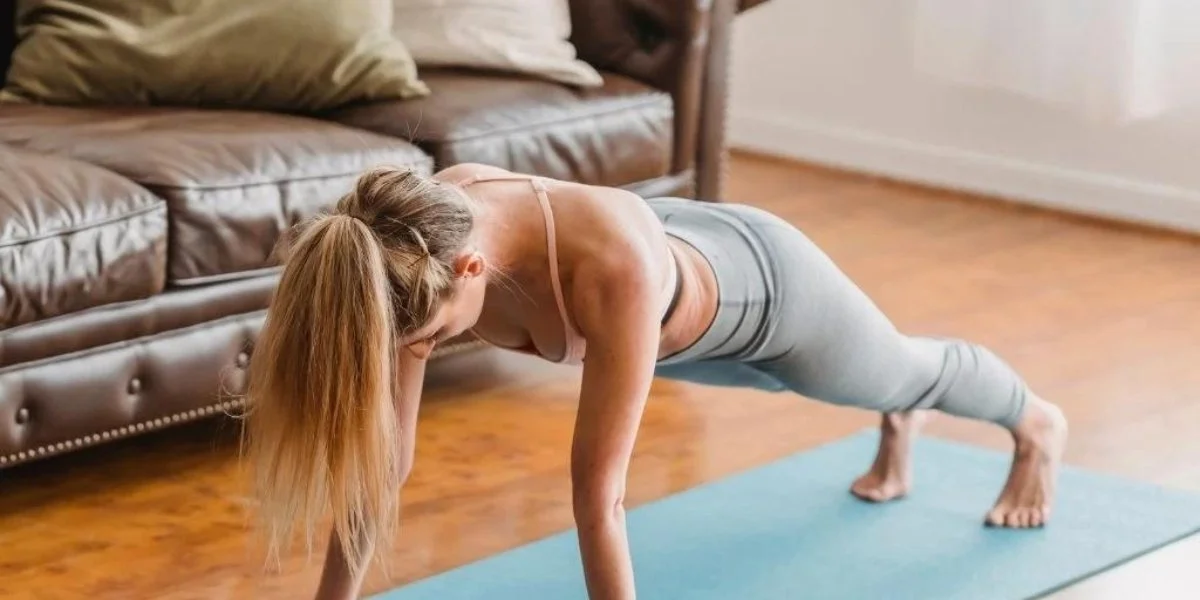
Posture correction exercises are movements designed to improve alignment, strength, and coordination, which is why pilates good for posture is often recommended as part of a balanced routine. They focus on helping your body return to more balanced and efficient patterns. Rather than forcing a position, these exercises train your body to support itself naturally.
Over time, this leads to better control during both movement and stillness. They are often simple, but highly intentional in how they are performed. Consistency matters more than intensity when working on posture.
Building Strength, Mobility, and Control All At Once
Effective posture work targets multiple systems at the same time. Strength helps support your joints and maintain alignment under load. Mobility allows your body to move freely without restriction. Control ensures that each movement is performed with precision and awareness.
When these elements work together, posture begins to improve in a lasting way. This approach also reduces the risk of compensation during exercise. The goal is to create balanced movement, not just isolated strength.
The 10 Best Exercises For Posture Correction To Add To Your Routine
#1) Chin Tucks
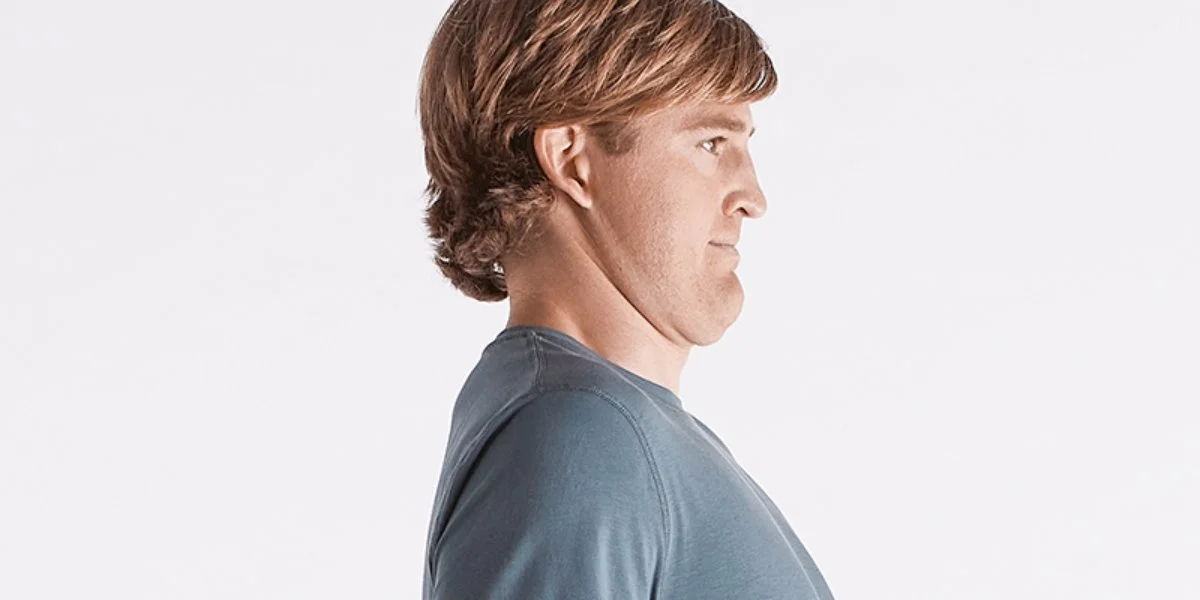
Chin tucks help realign the head and neck in a gentle and controlled way. This exercise strengthens the deep muscles that support proper head position. It also reduces forward head posture that often develops from screen use.
The movement is small, but requires focus and control. Performing it consistently can ease tension in the neck area. It is a simple starting point for improving upper-body alignment
#2) Wall Angels
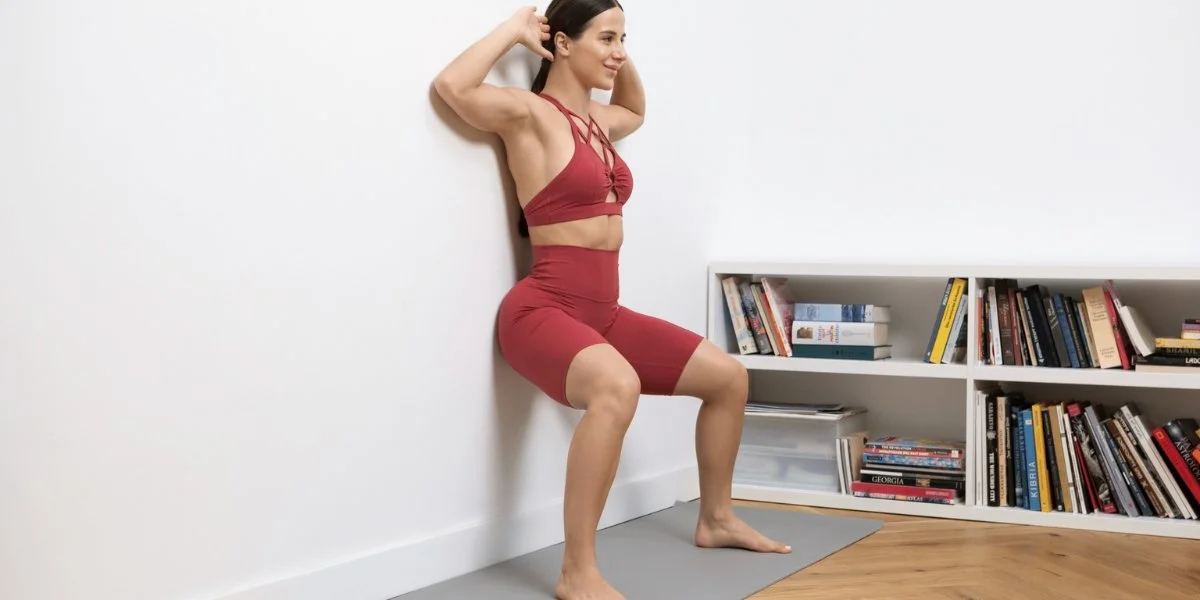
Wall angels encourage better shoulder mobility and upper back engagement. This exercise helps open the chest while strengthening the muscles that support posture. It also builds awareness of how your arms and shoulders move together.
Keeping contact with the wall requires control and coordination. Many people find this movement challenging at first. With practice, it becomes smoother and more controlled.
#3) Scapular Retractions
Scapular retractions focus on the muscles between your shoulder blades. These muscles play a key role in supporting upright posture. Strengthening them helps counteract rounded shoulders.
The movement should feel controlled rather than forced. It is important to avoid shrugging or using momentum. Over time, this exercise improves upper back stability.
#4) Dead Bug
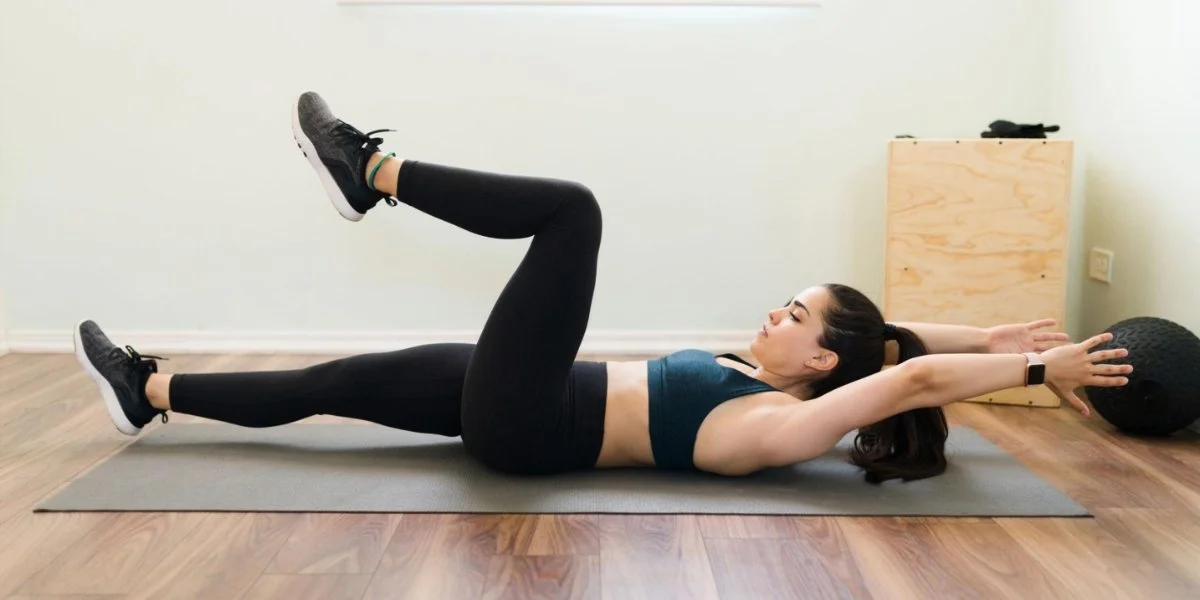
The dead bug exercise builds core stability while maintaining a neutral spine. It teaches your body to move the limbs without losing alignment. This control is essential for supporting posture during dynamic movement.
The focus should remain on slow and steady execution. Breathing also plays an important role during this exercise. It helps reinforce coordination between the core and limbs.
#5) Glute Bridge
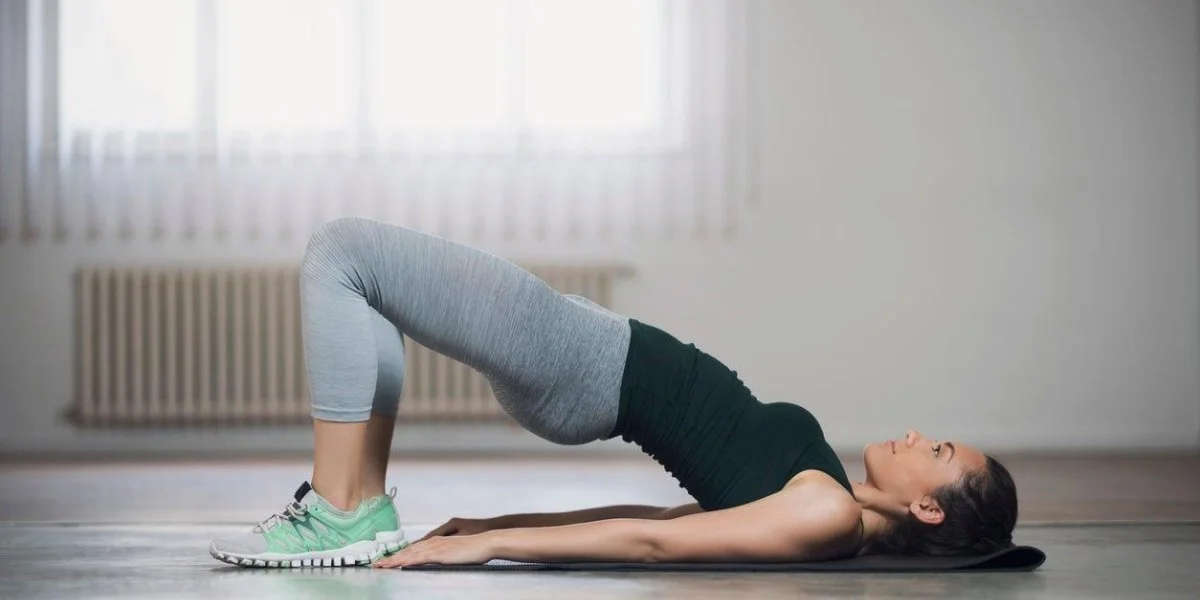
Glute bridges strengthen the muscles that support the pelvis and lower back, making them one of the most effective hip stability exercises for improving posture and movement. Strong glutes help maintain proper alignment during standing and walking. This exercise also encourages better hip extension.
Many people rely too much on their lower back instead of their hips. Glute bridges help correct that imbalance. Consistent practice leads to more stable movement patterns.
#6) Bird-Dog
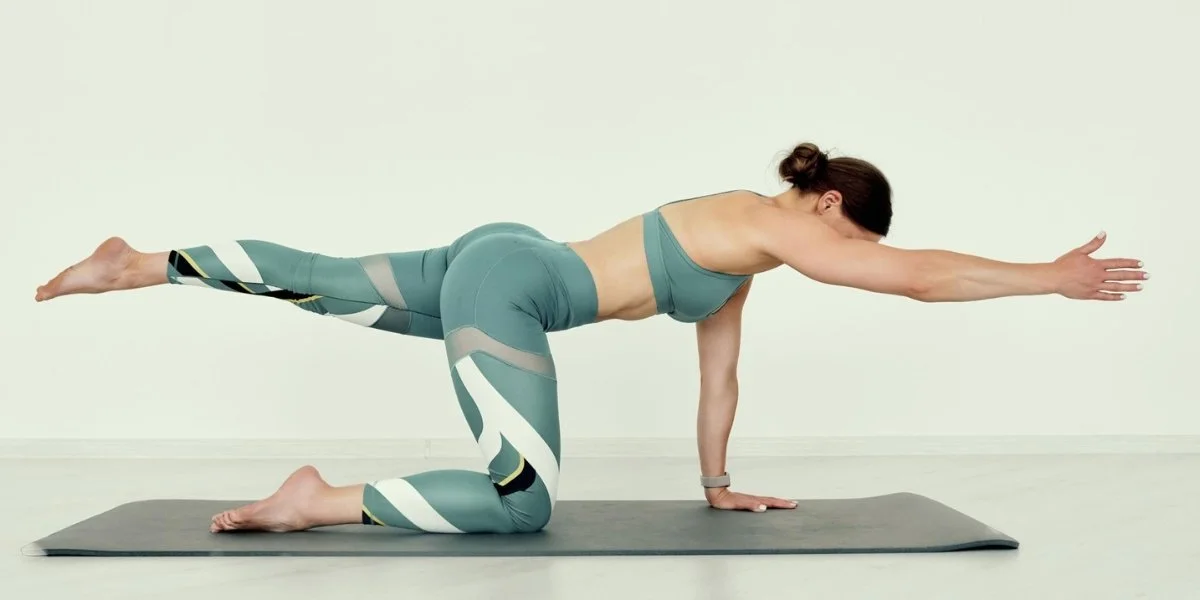
Bird-dog develops balance, coordination, and core stability. It challenges your ability to control movement across opposite sides of the body. This cross-body coordination is important for posture and movement efficiency.
The goal is to move slowly without shifting or collapsing. Maintaining a steady spine is key during this exercise. It builds both strength and awareness.
#7) Plank
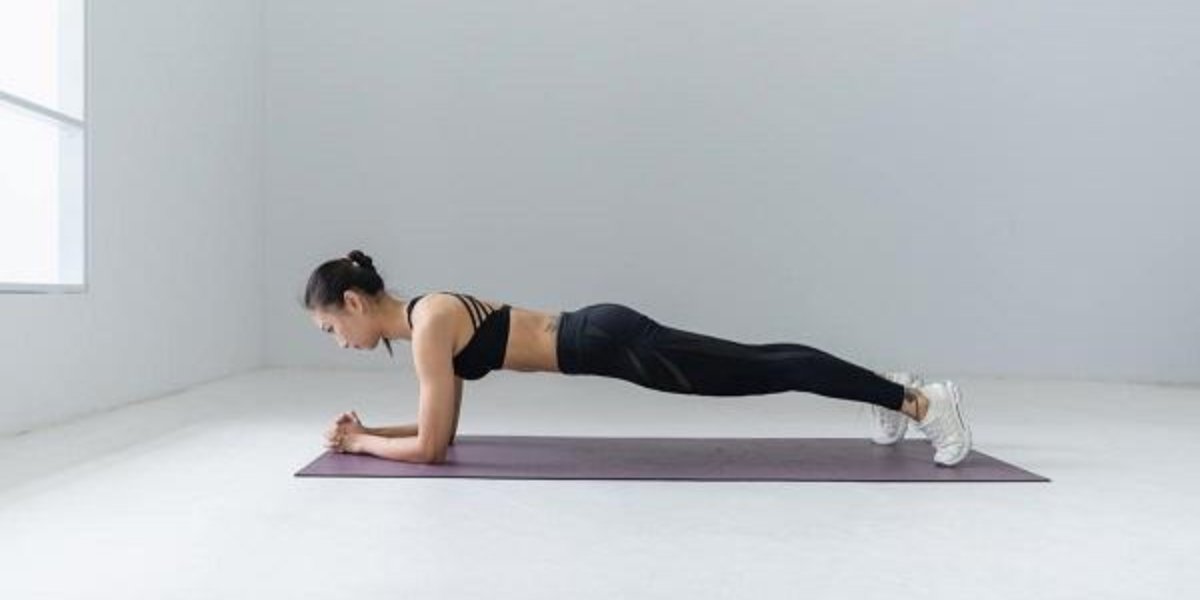
Planks strengthen the entire core while reinforcing proper alignment. They help train your body to resist unwanted movement. This stability is essential for maintaining posture throughout the day.
The focus should be on quality rather than duration. Keeping a neutral spine is more important than holding longer. When done correctly, planks support full-body control.
#8) Thoracic Extension Drill
Thoracic extension drills improve mobility in the upper back. This area often becomes stiff from prolonged sitting. Increasing mobility here allows for better posture and easier movement.
The exercise should feel smooth and controlled. It helps reduce excessive rounding through the shoulders. Improved mobility supports better alignment overall.
#9) Standing Row
Standing rows strengthen the upper back and improve pulling mechanics. This exercise encourages better shoulder positioning during movement. It also helps balance out pushing movements that dominate daily activity.
Control is more important than heavy resistance. Keeping the chest open during the movement is key. This reinforces proper alignment and stability.
#10) Hip Hinge Pattern
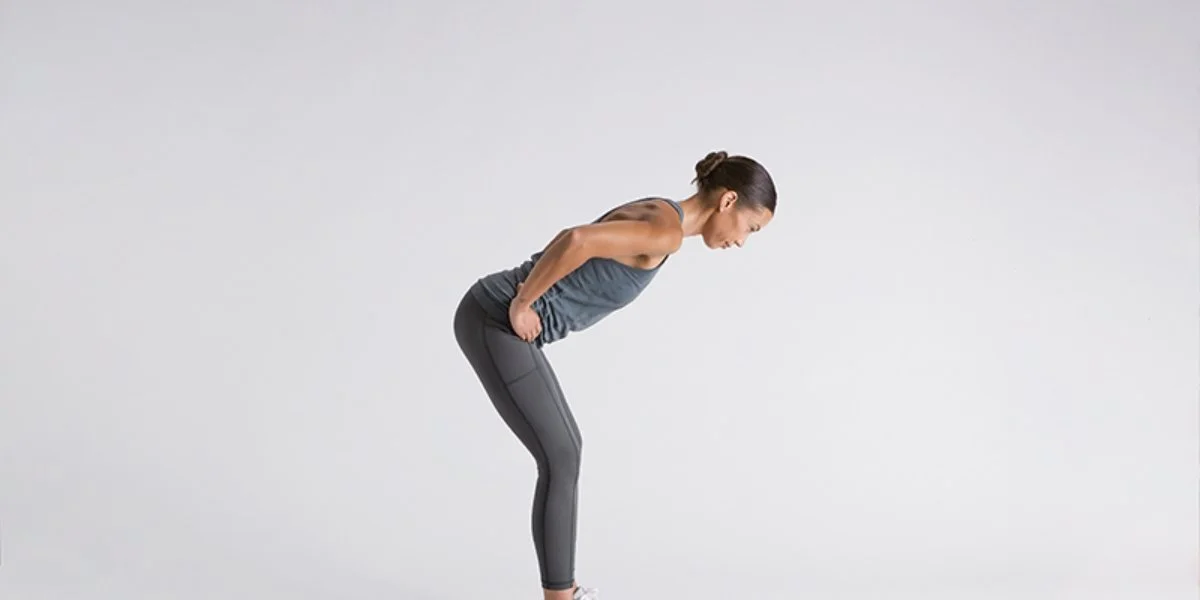
The hip hinge teaches proper movement through the hips instead of the lower back. It is a foundational pattern for lifting and bending. Learning this movement reduces strain on the spine.
It also improves coordination between the hips and core. The focus should be on controlled and deliberate movement. Mastering this pattern supports better posture in daily life.
Closing Thoughts: Stronger Movement Patterns Support Better Posture Over Time
Improving posture is not about holding a fixed position throughout the day. It comes from building strength, awareness, and control through consistent movement. When your body learns to move well, posture begins to improve naturally.
These exercises create a strong foundation for that process. Over time, small improvements lead to lasting changes. The goal is to support your body in moving efficiently and comfortably.
Get Started Today
Transform your fitness with Private 1x1 Pilates in NYC. At The Pilates Circuit, we deliver personalized one-on-one training designed around your body, your goals, and your progression. Whether you're improving posture, building strength, or enhancing mobility, every session is structured to drive measurable results.
Book an Intro Session to experience how targeted training can make a difference. Train with us at our Chelsea Private Pilates Studio or NOMAD Private Pilates Studio.
Frequently Asked Questions
-
You may notice discomfort in your neck, shoulders, or lower back during daily activities. Movement might feel restricted or less controlled than usual. You could also struggle to maintain proper form during exercise.
These signs often suggest the need for better alignment and support. Paying attention to these patterns can help guide your approach.
-
The best exercises focus on building strength, mobility, and control together. Movements like chin tucks, rows, and core stability exercises are highly effective. It is important to choose exercises that match your current ability.
Consistency matters more than intensity when improving posture. A balanced routine will deliver the best results over time.
Focusing on the interplay between strength, mobility, and alignment shows that improving posture isn’t just about looking upright - it’s about enhancing how your body moves and responds to daily demands. 10 Posture Correction Exercises That Support Better Movement demonstrate that intentional, targeted work can create lasting improvements in stability, joint health, and functional strength.
For readers, this means that consistently addressing weak points and imbalances translates into not only better posture but also reduced risk of injury, more efficient movement, and increased confidence in everyday activities. By integrating these strategies thoughtfully, you develop a sustainable framework for long-term body awareness and control.
Take the next step in transforming your posture with Private Pilates in NY sessions designed around your specific needs.
Our expert instructors guide every movement to build strength, alignment, and confidence. Begin with an intro session to experience how personalized Pilates can support your posture and elevate your overall movement quality.
