
Reformer Pilates Pregnancy Modifications For Each Trimester
Quick Overview: Reformer Pilates Pregnancy Modifications
- Reformer Pilates pregnancy modifications adjust spring tension, positioning, range, and pacing as movement needs change.
- Each trimester brings common changes, but breathing, pressure, balance, symptoms, and comfort should guide each session.
- The reformer provides several ways to add support while maintaining useful strength and stability work.
- This guide explains common trimester changes, available modifications, and signs that an exercise setup needs adjustment.
Pregnancy changes movement in small ways before exercises feel different. The breath may shorten, balance may shift, or pressure may feel harder to manage. On the reformer, those changes are easier to see because the carriage gives feedback. One spring may feel too heavy. One position may suddenly feel too compressed. Smart & effective reformer pilates pregnancy modifications help the session meet the body in front of you.
The work should feel supported, steady, and responsive as pregnancy progresses.
Pregnancy changes movement in small ways before exercises feel different. The breath may shorten, balance may shift, or pressure may feel harder to manage. On the reformer, those changes are easier to see because the carriage gives feedback. One spring may feel too heavy. One position may suddenly feel too compressed. Good reformer pilates pregnancy modifications help the session meet the body in front of you. The work should feel supported, steady, and responsive as pregnancy progresses.
Pregnancy Changes How The Body Handles Movement
Pregnancy changes how the body manages load, balance, breath, and position. That does not mean movement has to stop. It means the setup needs more attention. The American College of Obstetricians and Gynecologists (ACOG) has stated that exercise benefits most women during uncomplicated pregnancies, with modifications sometimes needed.
Many clients notice changes during transitions first. Stepping onto the carriage may feel less automatic. Supine work may feel more crowded through the ribs. A lunge may need more hand support than before. These details help guide safer, more useful choices.
Why Pressure Management Becomes More Important Over Time
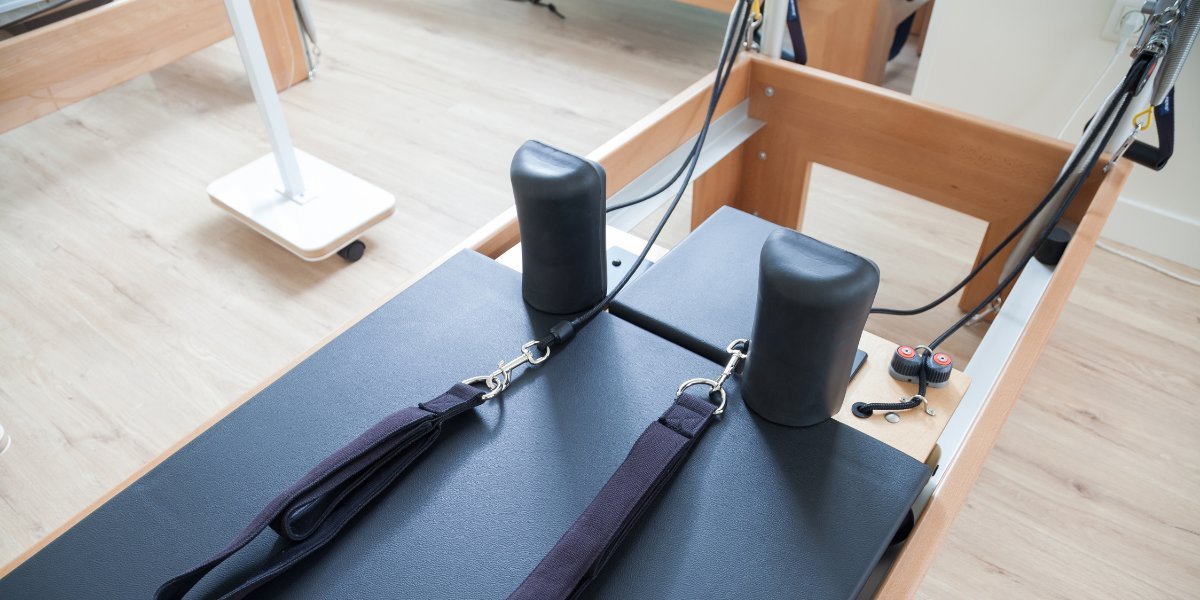
Pressure management becomes more important as the abdomen grows. Breath-holding, bearing down, or doming can signal too much strain. The goal is not to brace harder. The goal is to keep effort organized while breathing remains available.
On the reformer, pressure can show up during footwork, bridging, planks, and pulling straps. The ribs may thrust, the belly may push outward, or the pelvis may tuck hard. Those patterns mean the exercise needs adjustment. A smaller range, lighter load, or new position often helps.
Reformer Pilates Allows More Precise Pregnancy Modifications
The reformer gives instructors many ways to adjust one movement. Springs, straps, boxes, footbar height, and carriage range can all change. That makes reformer pilates pregnancy modifications more specific than many general exercise changes. The body gets support without removing useful challenge.
This precision matters because pregnancy rarely changes the same way each week. One day may require less load. Another day may need more stability from the springs. The reformer lets the instructor respond quickly. That is especially helpful when fatigue, balance, and comfort fluctuate.
Adjustable Resistance Helps Manage Load
Spring tension can either support movement or make it harder. Lighter springs are not always the easier choice. Sometimes heavier support makes the carriage feel more stable. That can help during footwork, arm work, or side-lying leg work.
The right resistance should allow smooth control. The client should not grip the neck, jaw, or hip flexors. If the carriage feels jumpy, the setup may need changing.
Ultimately, effective load management keeps effort productive, not scattered.
Controlled Movement Improves Stability
The reformer rewards control because the carriage moves underneath the body. That moving surface makes rushing more obvious. A fast transition can hide wobbling. A slower transition shows where the body needs support.
Controlled movement helps the hips, ribs, and pelvis stay organized. This matters more as balance changes during pregnancy. The goal is steady work, not perfect stillness.
A small wobble can give useful feedback.
Positioning Can Be Modified Progressively
| Exercise | Common Modification | Why It May Help |
|---|---|---|
| Footwork | Raise the torso with an incline when appropriate. | Creates more space and reduces prolonged flat positioning. |
| Bridging | Use a smaller range of motion. | Supports hip strength while helping manage abdominal pressure. |
| Planks | Perform from an incline or elevated position. | Makes pressure easier to organize while maintaining upper-body work. |
| Standing Exercises | Use the footbar or frame for additional support. | Improves stability as balance and body position change. |
| Core Exercises | Reduce range or change body position. | Helps maintain breathing and avoid unnecessary abdominal strain. |
Positioning should change as pregnancy changes. Early on, many familiar positions may still feel comfortable. Later, side-lying, seated, kneeling, and inclined setups often become more useful. NHS guidance advises avoiding long periods lying flat after 16 weeks.
The reformer offers several ways to create space. The box can elevate the torso. Side-lying work can reduce abdominal compression. Seated work can support breathing. Standing work can build strength with more awareness.
For clients who need more individualized guidance throughout pregnancy and recovery, personalized private pre- & post-natal pilates classes allow every session to be adapted around changing symptoms, movement patterns, and each stage of pregnancy rather than following a fixed class format.
First Trimester Pilates And Early Pregnancy Movement Adjustments
First-trimester movement often depends on energy and symptoms. Some clients feel strong, while others feel nauseous or depleted. The body may look unchanged, but effort can feel different. That difference deserves respect.
In early pregnancy, reformer pilates pregnancy modifications may be subtle. Sets may be shorter, transitions slower, and spring choices lighter. Some clients need more pauses between exercises. Others simply need the instructor to watch pressure and breath more closely.
Managing Fatigue, Nausea, And Early Core Pressure Changes
Fatigue and nausea can change how exercise feels quickly. A position that felt fine last week may feel unpleasant today. The session may need more seated breaks or simpler transitions. That is still productive training.
Early pressure changes can also appear during abdominal work. The breath may feel held, or the stomach may push outward. Those signs call for a quieter version. Learning how the deeper stabilizing muscles coordinate with breathing often helps movement feel more organized.
Our guide to deep core exercises explores how this system supports pressure management and stability during everyday movement.
Lastly, pregnancy Pilates should stop if pain, dizziness, or breathlessness appear.
Second-Trimester Pilates And Changing Stability Demands
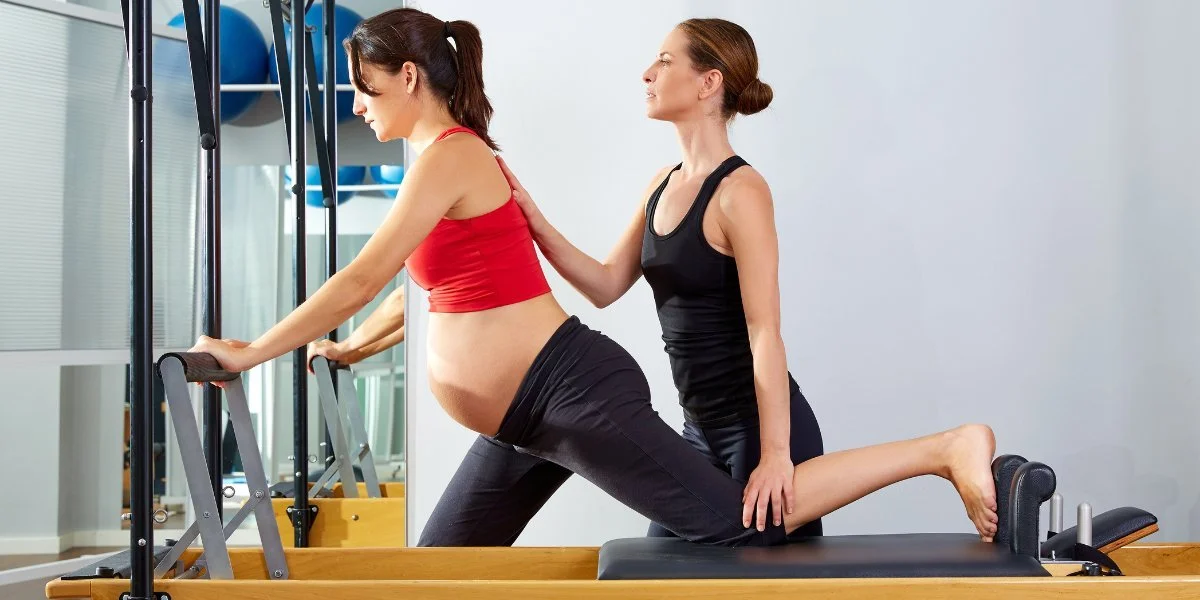
Second-trimester work often needs clearer position changes. The abdomen grows, the center of gravity shifts, and balance feels different. Supine exercises may need incline support or shorter duration.
NHS guidance specifically cautions against long flat-back positions after 16 weeks.
This is often when the reformer setup becomes especially useful. The footbar can offer hand support during standing work. The box can change the spinal angle. Springs can make the carriage more predictable.
These changes help the client keep moving without forcing old positions.
Adjusting To Balance Changes And A Growing Abdomen
Balance changes often show up during standing leg work. The feet may grip harder, or the pelvis may shift sideways. A wider stance can help. More hand support can also make the exercise cleaner.
The growing abdomen also changes rotation and flexion. Deep twisting may feel crowded. Strong abdominal curling may create pressure. Shorter ranges often give the body better options. The exercise should feel spacious enough to breathe.
Third-Trimester Pilates And Late Pregnancy Movement Support
Third-trimester Pilates should prioritize space, support, and calm effort. The body is carrying more weight, and transitions require more attention. The reformer can still be useful when exercises are selected carefully. Support matters more than intensity.
Late pregnancy work often uses side-lying, seated, kneeling, and supported standing positions. Range of motion may become smaller. Springs may provide extra assistance. Breath should remain easy through each movement.
The session should leave the body feeling steadier, not depleted.
Creating Space, Support, And Breathing Freedom Late In Pregnancy
Late pregnancy often makes compression more noticeable. The ribs may feel tight, or the pelvis may feel heavy. Supported positions help reduce unnecessary pressure. Side-lying leg work can be especially useful here.
Breathing freedom is one of the best guides. If the breath disappears, the exercise is too demanding. If the abdomen domes or pressure drops downward, the setup needs changing. Good instruction keeps the work useful and respectful.
Closing Thoughts: Reformer Pilates Can Support Pregnancy More Effectively With Proper Modifications
Pregnancy does not ask the body to move less intelligently. It asks for better listening, better setup, and more precise choices. The reformer can make those choices very specific. Springs, positions, and pacing can all meet the body differently. When movement stays responsive, strength remains useful through changing demands.
Every pregnancy progresses differently, and no single modification works for everyone. The most effective sessions respond to how your body manages movement that day rather than following a fixed checklist. Paying attention to breathing, pressure, comfort, and stability allows exercise to evolve alongside your changing body.
As pregnancy progresses, a few principles remain consistent:
Good modifications adapt the exercise to the body, not the body to the exercise.
Breathing, pressure management, and comfort are often better guides than the calendar alone.
Small adjustments to positioning, spring tension, or range of motion can make movement feel significantly more supportive.
The best sessions respond to how your body moves today, not simply what trimester you're in.
When movement adapts with the body instead of working against it, Pilates can continue to build strength, stability, and confidence throughout pregnancy.
The goal is not to preserve the way you moved before pregnancy. It is to keep moving well as your body continues to change.
Get Started Today
Transform your fitness with Private 1x1 Pilates in NYC. At The Pilates Circuit, we deliver personalized one-on-one training designed around your body, your goals, and your progression. Whether you're improving posture, building strength, or enhancing mobility, every session is structured to drive measurable results.
Book an Intro Session to experience how targeted training can make a difference. Train with us at our Chelsea Private Pilates Studio or NoMad Private Pilates Studio.
Prefer to view your options first? Visit our Pricing page to compare private sessions, packages, and memberships before booking.
Frequently Asked Questions
-
Reformer Pilates can be appropriate for many uncomplicated pregnancies. The session should be modified by trimester, symptoms, and provider guidance. A qualified instructor should watch breath, pressure, balance, and positioning. Stop if movement creates pain, dizziness, or breathlessness.
-
Common changes include less supine work, smaller ranges, and more supported positions. Spring tension may also need adjustment. Some exercises may move to side-lying, seated, kneeling, or inclined positions. Breath-holding and downward pressure should be avoided.
-
Some clients can continue reformer Pilates into the third trimester. The work usually needs more support and less intensity. Side-lying, seated, and supported standing exercises often feel better. The right session should feel steady, spacious, and breathable.
