
How to Fix Muscle Imbalances (& Why It's So Important)
Muscle imbalances often show up as small habits before they feel like a problem. One hip shifts during a squat. One shoulder creeps toward the ear. One foot grips the floor harder during balance work. These patterns matter because the body learns whatever it repeats most often. Learning how to fix muscle imbalances starts with seeing those patterns clearly.
From there, training becomes less about guessing and more about restoring usable control.
- What is muscle imbalance?: Muscle imbalances occur when one side, muscle group, or movement pattern consistently takes on more work than another.
- How they develop: Daily habits, previous injuries, repetitive activities, and training patterns can all influence how the body distributes effort.
- What to look for: Uneven balance, shifting weight, one side tiring faster, or certain muscles constantly feeling tight can all be useful clues.
- How to fix muscle imbalances: Assessment, slower movement, unilateral training, and targeted stability work often help restore better coordination and control.
- The key takeaway: Improving muscle imbalances is less about creating perfect symmetry and more about helping the body move, load, and perform more efficiently.
Muscle Imbalances Often Start Long Before Pain & Discomfort Appear
Most imbalances begin quietly. The body finds an easier route through movement, then repeats that route often. You may not feel anything dramatic at first. The workout still gets done, and daily life continues as usual. Over time, one area keeps doing more than its share.
I often notice this during simple movements. A client bridges, and one hip rises faster. Someone lunges, and the back foot starts gripping the floor. Another person reaches overhead, and the ribs lift instead of the shoulder moving well.
These details are small, but they tell us how the body distributes work. They are easier to improve before they become stronger habits.
What Is Muscle Imbalance?
A muscle imbalance means the body is not sharing effort evenly. One muscle group may be stronger, tighter, more active, or better coordinated. The opposite side may still work, but it may not contribute at the right moment. That timing difference can change how a movement feels. Strength is only one part of the picture.
Imbalance can also happen between the front and back of the body. It can show up between the left and right sides. It may appear around one joint, like the hip or shoulder. It may also affect how the trunk supports the limbs.
The important question is how the imbalance changes movement quality.
What Causes Muscle Imbalance?
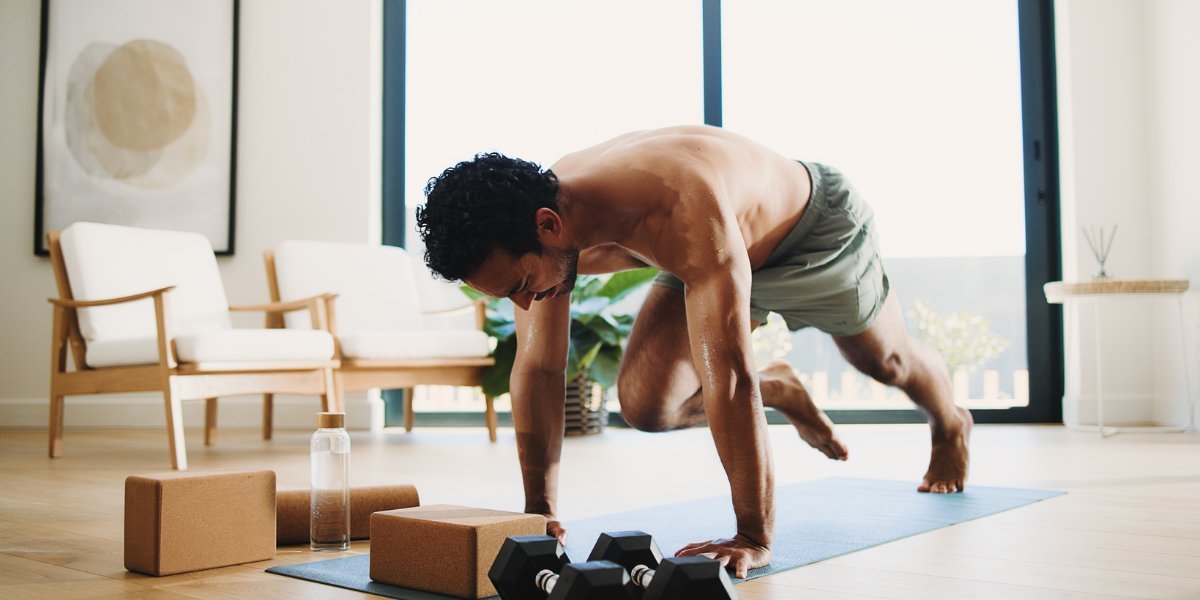
Daily habits create many common imbalances. Sitting, carrying bags on one side, and always crossing one leg can shape movement. Sports and workouts can also reinforce one dominant pattern. A tennis player, runner, or desk worker may repeat the same positions for years. The body adapts because that is what bodies do.
Injury history can also change how people move. After discomfort, many people protect one side without realizing it. They may shorten their stride, shift weight, or avoid certain ranges. That protective habit can remain after the original issue improves. Good training helps the body notice those old strategies.
Recognizing Common Muscle Imbalance Symptoms
Common signs often appear during familiar movements. One side may fatigue faster during lunges or single-leg work. A shoulder may hike during rows, planks, or arm reaches. One hip may feel tighter, even after regular stretching. A foot may turn out when the body wants more stability.
You may also notice uneven pressure. One hand presses harder into the mat during quadruped work. One glute feels absent during bridges, while the hamstring takes over. The neck may grip during core exercises.
These patterns are useful feedback. They show where the body is finding control, and where it is avoiding it.
Muscle Asymmetry Can Change How Force Moves Through The Body
Muscles rarely work in isolation during real movement. When one area underperforms, force often travels somewhere else. That can make a simple task feel heavier than expected. Carrying groceries may pull one shoulder forward. Climbing stairs may feel stronger on one leg than the other.
This is why muscle asymmetry matters. It can change how the body absorbs, transfers, and produces force. The stronger side may keep taking over. The quieter side may lose even more confidence. Over time, the body may become efficient at the wrong strategy.
The Body Usually Begins To Adapt Before Symptoms Appear
The body often adapts before discomfort begins. It changes weight placement, joint position, and muscle timing. Those changes can be subtle enough to miss. A person may stand more on one hip. They may turn one foot out slightly when walking.
These choices are not random. They usually help the body feel more stable in the moment. The problem is that the same shortcut can become the default. Training should help the body find more options. More options usually create better movement choices.
Understanding the difference between mobility and flexibility can also help explain why a joint may have available range of motion but still struggle to control that range effectively.
Uneven Loading Can Affect Exercise Quality
Uneven loading changes how exercises feel and look. In a squat, one hip may drift to the side. In a plank, one shoulder may sink slightly. In a bridge, one foot may push harder than the other. The exercise may still look acceptable from far away.
Close observation usually tells a different story. The body may be finishing the movement through compensation. That matters because compensation can reduce the value of the exercise. Slowing down often makes the pattern easier to see. Once you see it, you can train it more intelligently.
Stability Usually Declines Before Strength Does
Many people notice balance problems before clear weakness. They may feel strong in both legs, yet wobble on one side. That is often a stability issue. The muscles may have enough force, but not enough timing. Timing matters when the body moves through transitions.
Single-leg work reveals this quickly. The pelvis may shift, the knee may cave, or the foot may grip. In many cases, targeted hip stability exercises can help improve control through these transitions and reduce reliance on compensatory movement patterns. The trunk may lean to help the standing leg.
These are signs the body wants more control. Stability training helps strength become more usable.
The Long-Term Effects
Long-standing imbalance can limit progress. The body keeps practicing the same uneven strategy. That can make heavier training harder to organize. It can also make daily movement feel less resilient. Small corrections help prevent inefficient patterns from becoming permanent habits.
How to Fix Muscle Imbalances
Learning how to fix muscle imbalances begins with better awareness. You need to know what your body is doing before changing it. That means watching alignment, speed, breath, and effort. It also means noticing where tension appears first. The loudest muscle is not always the one that should lead.
The process usually includes assessment, slower movement, and targeted strength work. Unilateral exercises help each side practice without hiding behind the other. Stability training teaches the trunk, hips, and shoulders to transfer force better.
Progress should be gradual enough to keep the movement honest. The goal is not perfect symmetry. The goal is better control, better loading, and more reliable movement.
Why Professional Assessment Should Come Before Corrective Training
Professional assessment helps identify the source of the pattern. A tight hip may not be the real issue. The problem may come from the foot, pelvis, spine, or opposite side. Guessing can lead to more stretching or strengthening in the wrong place. Good observation saves time and keeps training specific.
In a private session, small details become visible. We can see how someone stands, breathes, reaches, squats, and transitions. We can compare sides without assuming both sides need the same work. That matters because imbalance is rarely one simple thing. The body needs a plan that reflects how it actually moves.
Slowing Down Movement Improves Positional Awareness
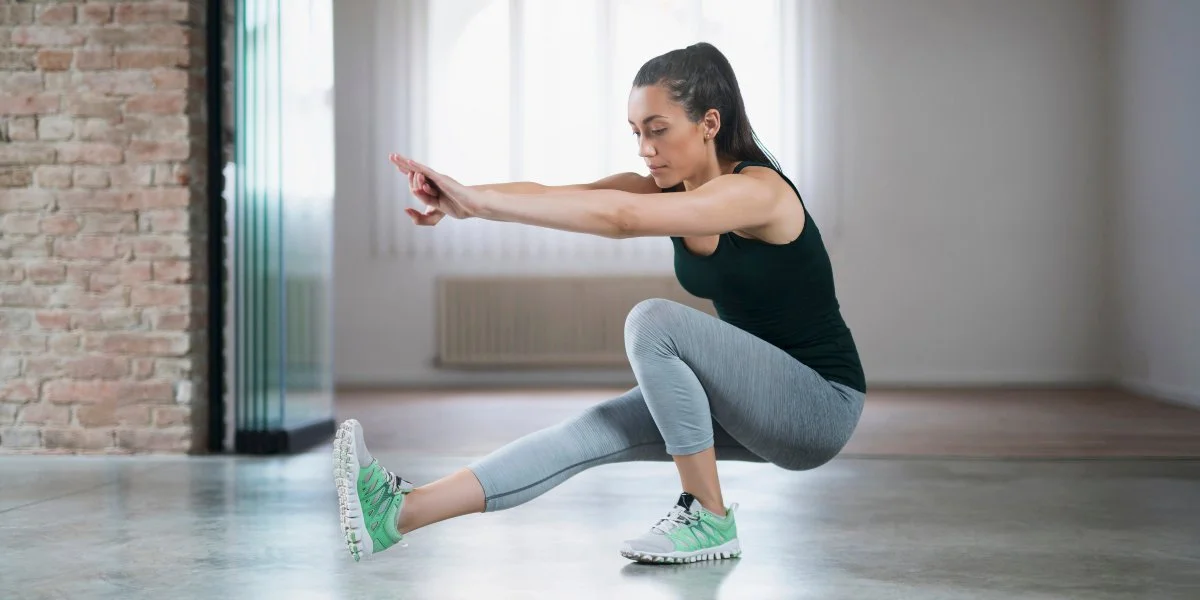
Slow movement removes momentum. That makes compensation easier to feel. A fast lunge can hide a hip shift. A slow lunge often shows where control disappears. The same is true for bridges, planks, and arm work.
Tempo also helps the nervous system learn. This becomes especially important when considering active vs passive range of motion, since the availability of movement does not automatically mean you can control it under load.
The body has time to sense joint position and pressure. You may notice one foot pushing harder. You may feel one rib lifting sooner. Those details tell you where to adjust. Awareness is the first step in changing the pattern.
Unilateral Training Helps Restore Side-To-Side Control
Unilateral training works one side at a time. It includes split squats, single-leg bridges, step-ups, and one-arm rows. This style makes side differences harder to hide. The stronger side cannot take over as easily. The quieter side gets a clearer training signal.
The weaker side may need less range at first. It may also need slower pacing or lighter resistance. That does not mean the side is failing. It means the body needs a cleaner starting point. This is often one of the most useful tools for how to fix muscle imbalances.
Stability Work Improves Force Transfer Across The Body
Stability work helps the body connect strength across regions. The hips, trunk, shoulders, and feet need to coordinate under load. When that connection improves, movement feels less scattered. A lunge feels steadier. A plank feels less like a shoulder exercise.
This work should include anti-rotation, balance, and controlled transitions. Pallof presses, bird dogs, side planks, and loaded carries can help. Pilates equipment also gives clear feedback about control. Springs reveal when one side pushes or pulls more. That feedback helps the body organize effort more evenly.
How Long Does It Take To Fix Muscle Imbalance?
There is no single timeline. Change depends on the pattern, training history, consistency, and daily habits. A mild imbalance may improve quickly with focused attention. A long-standing pattern usually needs more repetition. The body needs time to trust a new strategy.
The better question is whether movement quality is improving. Is the pelvis shifting less? Does one side fatigue less quickly? Can you breathe while maintaining position? Those signs matter more than a calendar date. Consistent training usually creates clearer, steadier movement over time.
Closing Thoughts: Balanced Strength Improves Long-Term Movement Quality
Understanding how to fix muscle imbalances gives you a better way to train. You stop chasing random tight spots and start reading movement more clearly. The body often tells the truth through small shifts, uneven pressure, and extra tension.
When those patterns improve, strength becomes more dependable. Balanced training helps your body move with more control in everyday life.
Ultimately, balanced strength gives the body more choices. It helps movement feel less forced, less lopsided, and less dependent on compensation. The most useful progress often appears in ordinary tasks first. Stairs feel more even. Carrying bags feels less one-sided.
Workouts feel cleaner because the body is sharing effort better.
Get Started Today
Transform your fitness with Private 1x1 Pilates in NYC. At The Pilates Circuit, we deliver personalized one-on-one training designed around your body, your goals, and your progression. Whether you're improving posture, building strength, or enhancing mobility, every session is structured to drive measurable results.
Book an Intro Session to experience how targeted training can make a difference. Train with us at our Chelsea Private Pilates Studio or NoMad Private Pilates Studio.
Prefer to view your options first? Visit our Pricing page to compare private sessions, packages, and memberships before booking.
Frequently Asked Questions
-
A muscle imbalance means effort is not distributed evenly across the body. One area may be stronger, tighter, or more coordinated.
Another area may work late, lightly, or with less control. The result is movement that feels uneven or harder to organize.
-
Common causes include habits, sport demands, old injuries, posture, and repeated training patterns. The body adapts to what it does most often.
Over time, those repeated choices can create uneven strength or control. This is why variety and careful form matter.
-
The timeline depends on the cause and how consistently you train. Some patterns improve within weeks. Older habits may take longer because they are more automatic.
Progress is easier to see through better control, not just stronger effort.
-
Pilates can help because it exposes small differences in control. The springs, straps, and body positions give immediate feedback. One side may push harder, rotate sooner, or lose position faster.
Private Pilates makes those details easier to see and correct.
